A line through time: Iraq’s ancient kohl wins UNESCO honor


Shafaq News – Baghdad
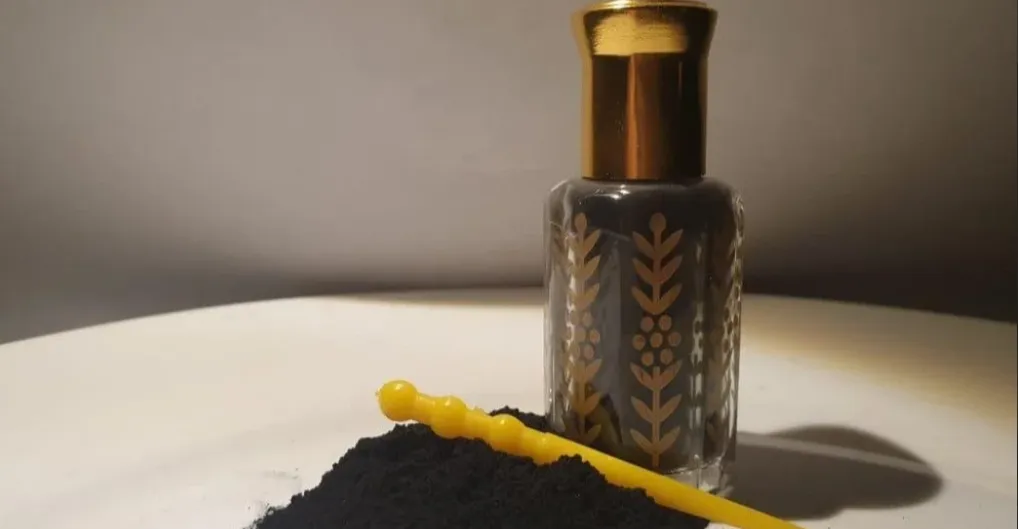
For centuries, a thin line of black drawn along the eyelid has carried a story far larger than its size. In Iraq, kohl is not merely a cosmetic—it is inheritance, identity, memory, and art. This week, that story entered the global record.
UNESCO has added Arab kohl to its Representative List of the Intangible Cultural Heritage of Humanity, placing Iraq’s enduring beauty tradition alongside the world’s most treasured cultural practices. The inscription, adopted during the 20th session of UNESCO’s heritage committee in New Delhi, emerged from a joint Arab submission led by Syria and supported by Iraq, Oman, Palestine, Libya, and Jordan.
Inside the conference hall, Iraq’s delegation framed the moment as more than bureaucratic success. It was, as officials put it, a restoration of cultural truth—one that predates writing, kingdoms, and borders.
Shaymaa Mahmoud, director of the Center for the Protection and Preservation of Cultural Heritage and Iraq’s representative at the meetings, said the listing honors generations of women, artisans, and families who kept the tradition alive. “Kohl survived because it was carried deliberately,” she said. “Mothers taught daughters, craftsmen guarded its preparation, and communities passed down its meaning with pride.”
But the story of kohl stretches far deeper into the past.
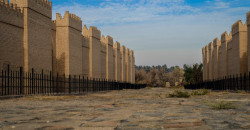
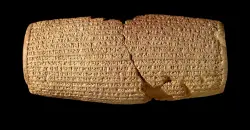
Kohl is among the oldest known cosmetic and protective substances in human history, with origins traced to ancient Mesopotamia and Egypt more than 5,000 years ago. Archaeologists working in Sumerian and Babylonian cities have uncovered stone pots and applicators still stained with dark residue—evidence of recipes that blended ground galena, antimony, and minerals with oils and resins.
In Mesopotamia, kohl served layered purposes. It softened harsh desert glare, guarded the eyes from infection, marked purity in ritual spaces, and signaled beauty in daily life. Reliefs from ancient temples show figures outlined with the same dark contour that remains iconic today.
While empires rose and fell, the practice stayed. In modern Iraq, kohl remains a signature of feminine identity—particularly associated with Iraqi women’s famously expressive, almond-shaped eyes. It appears at weddings, on feast days, in simple daily routines, and in the quiet moments when a woman passes on the gesture to her daughter.
In many households, applying kohl is still a small ritual: a grandmother’s silver bottle inherited from her mother, a whispered blessing, a line that transforms the face yet feels older than the wearer herself.
The Ministry of Culture said the UNESCO inscription affirms that kohl is not a relic of the past but a “living cultural practice”—adaptable, intimate, and resilient. It persists despite modern beauty trends, despite wars and displacement, despite the erosion of other traditions. Kohl has never left the Iraqi mirror.
With UNESCO’s decision, kohl is no longer just a cosmetic traced along the eyelid. It becomes part of humanity’s shared cultural archive—even as it remains firmly rooted in the hands of Iraqi women who still prepare it, wear it, and protect its meaning.
And in that thin, familiar stroke of black, a history thousands of years old continues to look back at the world with the same steady, unblinking gaze.