US pressure tightens the noose on Iran’s trade


Shafaq News- Tehran/ Baghdad/ Islamabad
Iran is facing growing pressure on its overland trade routes as Iraq and Pakistan restrict access through key border crossings, adding to the effects of US sanctions and a naval blockade that have disrupted the country’s trade and shipping networks, the Wall Street Journal reported.
The closures threaten to raise transportation costs, delay essential imports, and disrupt exports as Tehran increasingly relies on land routes to offset restrictions on maritime trade.
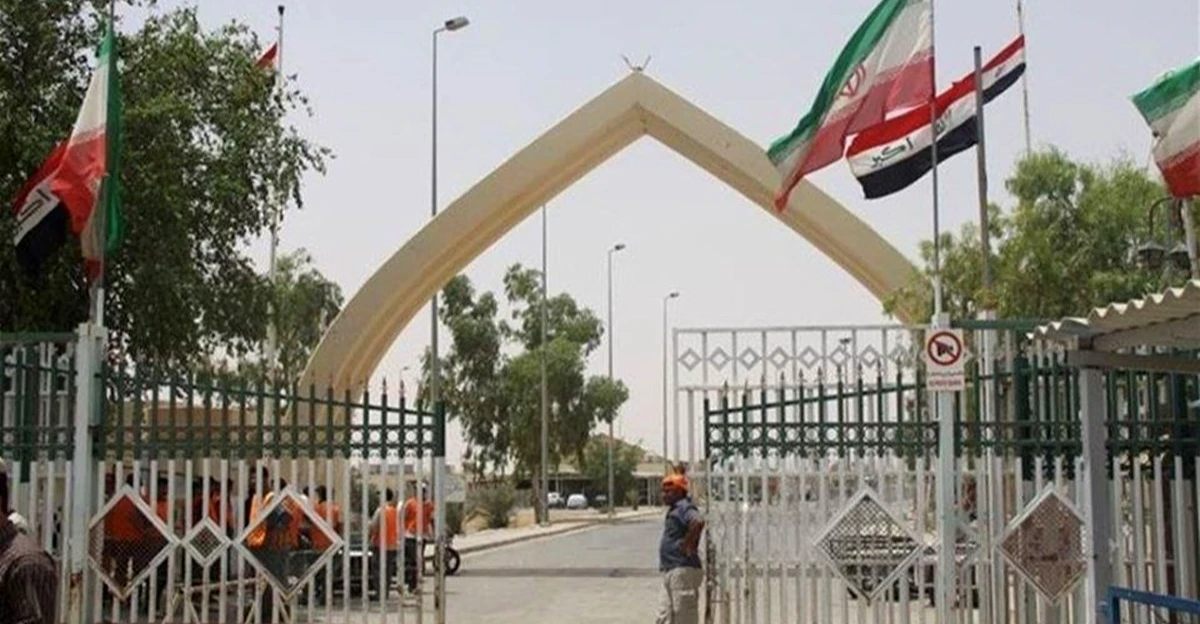
Iraq closed the Al-Sheeb border crossing last Wednesday, citing efforts to tighten oversight and combat smuggling. Pakistan also barred trucks from entering from Iran through the Gabd and Taftan crossings over the weekend, citing security concerns.
The moves come as Washington intensifies its campaign to isolate Iran economically. US Treasury Secretary Scott Bessent said earlier this month that the United States was working with Pakistan and Turkiye to restrict Iran’s land trade routes as part of what he described as a campaign of “total isolation.”
The disruptions are already affecting freight transport. According to the newspaper, Iranian transport officials said around 17,000 trucks were waiting at Iran’s borders with Turkiye, Afghanistan, and Azerbaijan as of September 29, with delays reaching 20 days. Some drivers have been forced to discard spoiled fruit and other agricultural products.
Iran’s state broadcaster IRIB also reported that more than 4,500 tons of liquefied petroleum gas (LPG) remained stranded on the Iranian side of the Pakistani border, underscoring the constraints on the country’s remaining export routes.
To continue reading, click here.