India awaits delayed S-400 deliveries as strategic talks with Russia continue



Shafaq News – New Delhi/Moscow
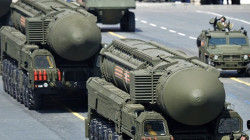
India is expected to receive the final two squadrons of the Russian-made S-400 Triumf air defence system by 2026 and 2027, respectively, according to Indian defence sources cited by national media.
The delivery timeline marks a significant delay from the original 2023 deadline outlined in the $5.43 billion agreement signed in 2018.
The Times of India said that so far, New Delhi has received and deployed three S-400 squadrons along its northwestern and eastern borders, where they are positioned to counter potential threats from both Pakistan and China. Each squadron includes two missile batteries equipped with long-range radar, mobile launchers, and up to 128 missiles capable of intercepting aerial threats at ranges between 120 and 380 kilometers.
The delivery setbacks have been attributed to logistical and production disruptions linked to Russia’s ongoing war in Ukraine. Still, Indian defence officials have stressed the system’s critical role in the country’s integrated air defence network, where it serves as a key outer shield coordinated through the Indian Air Force’s command and control system.
Against this backdrop, Indian Defence Minister Rajnath Singh held high-level talks with his Russian counterpart, Andrey Belousov, on June 26 on the sidelines of the SCO Defence Ministers' Meeting in Qingdao, China. While framed as part of routine bilateral engagement, the meeting has been viewed as a strategic push to reinforce military ties and assess the resilience of defence cooperation amid global pressures.
The partnership continues despite the US repeatedly warning that countries trading with Russia’s defence and intelligence sectors risk automatic sanctions under the Countering America’s Adversaries Through Sanctions Act (CAATSA). In 2018, Washington imposed sanctions on China’s military for acquiring combat aircraft and the S-400 system from Russia. Nevertheless, New Delhi has maintained that bolstering its defence capabilities remains a strategic priority, and that its decisions are driven by national security considerations rather than geopolitical alignments.