40-GW electricity gap forces Iraq to back private generators


Shafaq News- Baghdad
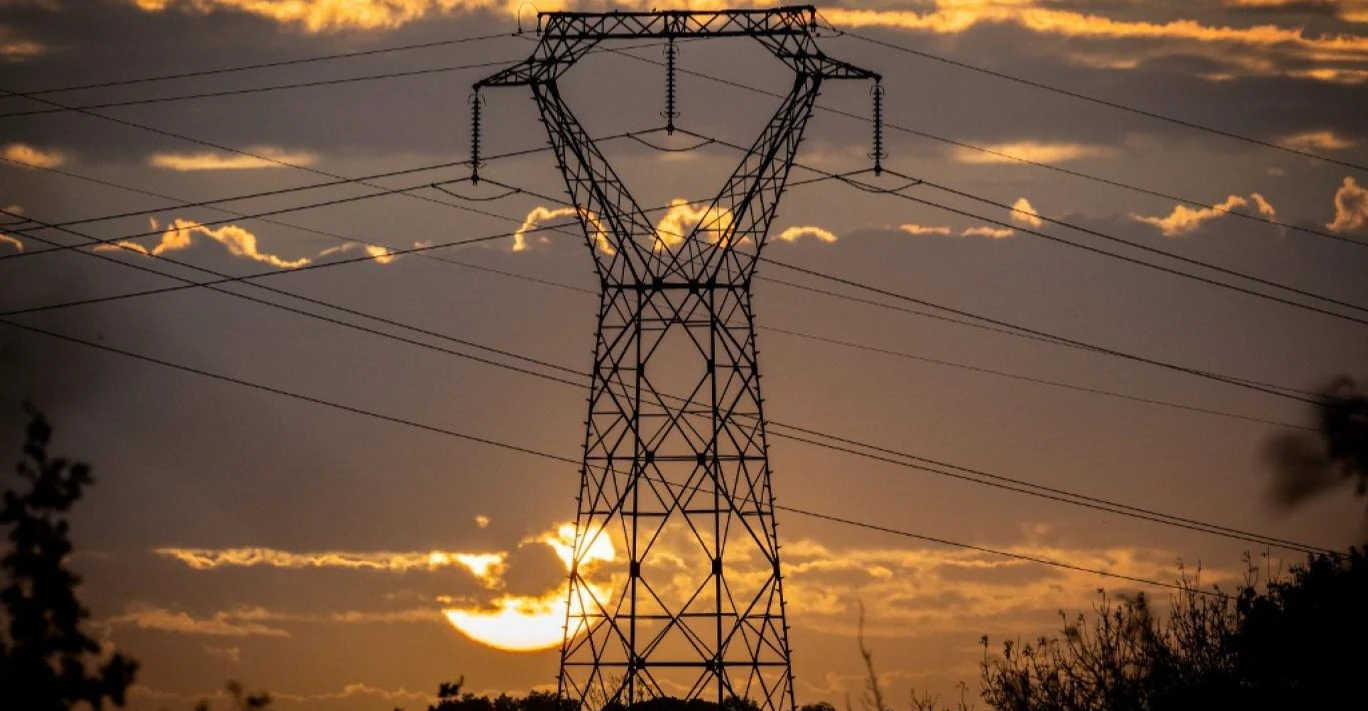
A power gap of nearly 40,000 megawatts is forcing Iraq to lean more heavily on private generators this summer, with demand exceeding 60,000 MW and protests spreading over worsening cuts in several provinces.
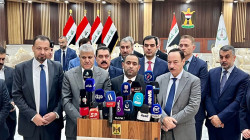
The government has moved to support the private generator network, now a daily lifeline for millions of Iraqis, after Prime Minister Ali Al-Zaidi received a delegation representing generator owners in the presence of the electricity minister and directed authorities to ease procedures for securing fuel. The Oil Ministry has also approved supplying generators with subsidized fuel for three months at around $0.15 per liter instead of $0.31, in a bid to stabilize ampere prices and reduce pressure on households already paying for power outside the national grid.
Ahmad Mousa Al-Abadi, an electricity and energy specialist and former spokesperson for the Ministry of Electricity, told Shafaq News that the decision is an attempt to ease pressure on the grid and prevent generator subscription prices from rising, but its success depends on steady fuel supplies and field monitoring.
The ministry had warned early that the current summer would be among the hardest for the power system because of shortages in fuel and gas feeding power stations, he added. Shortages in local and imported gas have directly reduced production, while alternatives such as liquefied gas platforms and electricity interconnection lines have slowed because of regional conditions and financial pressure.
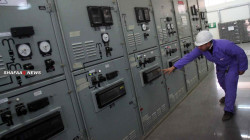
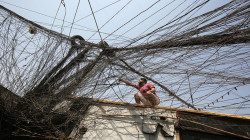
The deficit extends to transmission and distribution, where losses still reach about 60%, alongside “aging grid sections and rising loads” caused by urban expansion and new residential areas.
In Al-Anbar, the local government announced that the province receives only 600 to 650 MW, although its actual need ranges between 2,700 and 3,000 MW, leaving residents with no more than six to eight hours of public supply a day.
Basra, Iraq’s main oil province, has entered scheduled cuts for the first time in years, with four hours of supply followed by two hours of outage after production fell to about 3,150 MW against demand exceeding 5,500 MW this summer. According to operating data from the Southern Control Center, gas supplies feeding Basra’s power stations have dropped from about 28 million cubic meters per day in summer 2025 to nearly 9 million now, alongside the suspension of some import lines.
Protesters in Al-Diwaniyah’s Ghammas district also blocked the Al-Diwaniyah-Najaf road to demand a higher electricity share, arguing that cuts had exceeded five hours for every one hour of supply.
The Ministry of Electricity says power is distributed according to ratios approved by the Higher Committee for Coordination among Provinces, with Baghdad receiving 27.07% of the energy allocated to provinces, followed by Dhi Qar at 9.02% and Nineveh at 8.47%. However, residents, who spoke to Shafaq News, countered that the capital’s larger electricity share has not been reflected in residential neighborhoods, where transformers remain overloaded, outages last for hours, and generator subscriptions rise month after month.
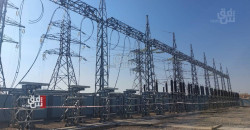
The core problem lies in the lack of balance between Iraq’s electricity sectors, explained lawmaker Uday Al-Zamili, a member of parliament’s Oil, Gas, and Natural Resources Committee. Distribution networks have improved in recent years, but transmission still needs major expansion because high-voltage lines and substations were designed for older demand levels and no longer match current consumption.
The expansion of gas-fired power stations without parallel investment in associated gas capture, he said, is one of Iraq’s “main strategic mistakes,” as it kept the country dependent on imported gas to run a significant part of its power plants.
Read more: Iraq power 2026: war on Iran collapses the grid's last defenses ahead of peak summer