11 years on: Al-Anbar's Ramadi remembers what remains undone after ISIS
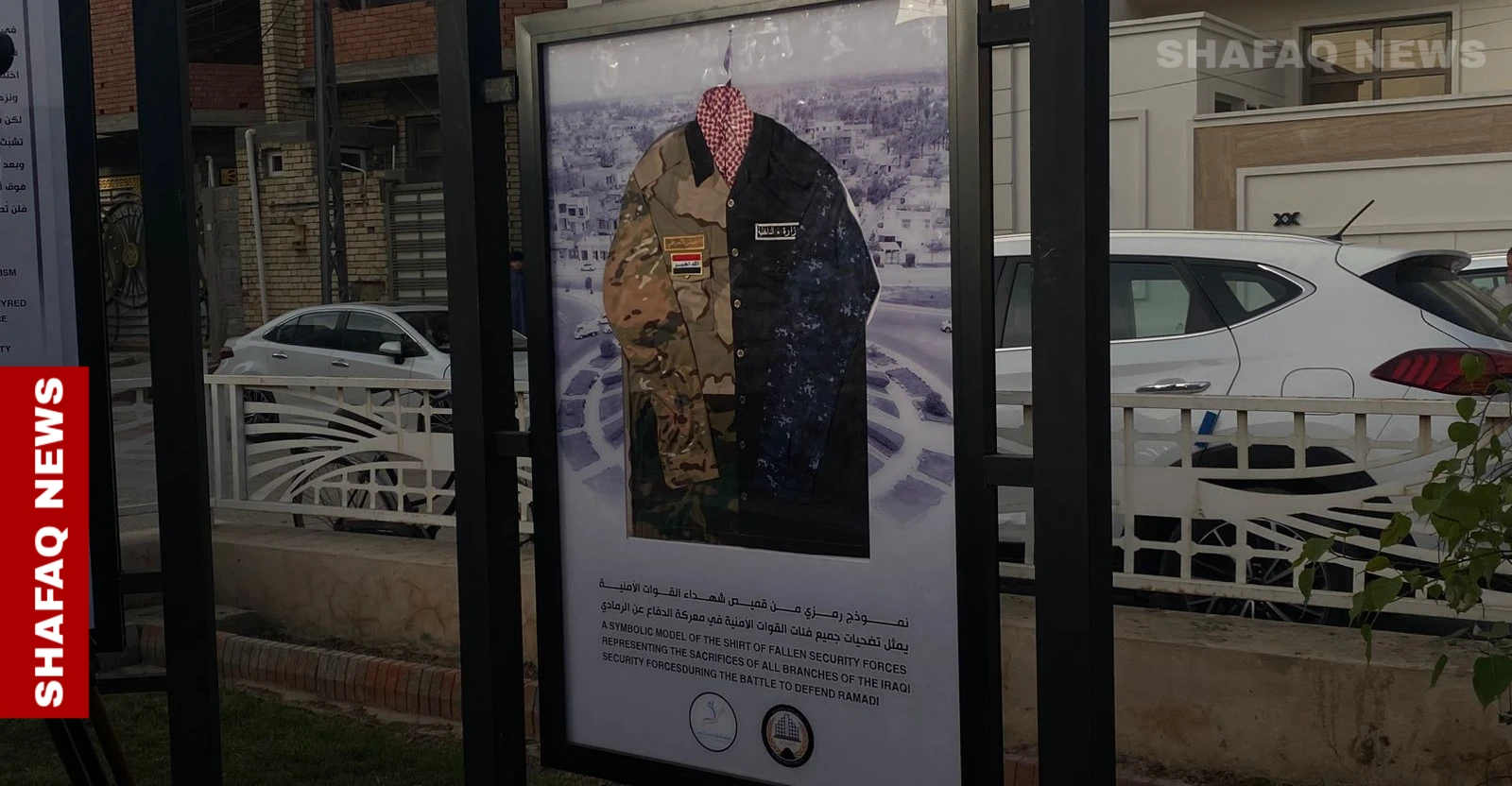


Shafaq News- Al-Anbar
Ramadi was recaptured in months. The compensation files, the empty lots, and the unanswered questions have lasted eleven years.
On May 17, 2015, ISIS militants seized Ramadi, the capital of Iraq's vast western al-Anbar province, in a matter of hours. Using waves of suicide car bombs, they overwhelmed government forces, who abandoned the city along with their weapons and vehicles. Within days, an estimated 85,000 people had fled, and within months, the number of displaced from Ramadi and surrounding areas had surpassed 180,000, according to the UN refugee agency.
By the time Iraqi forces retook the city in late 2015 and early 2016, more than 3,000 buildings and nearly 400 roads and bridges had been damaged or destroyed. Local officials estimated that 80 percent of Ramadi had been reduced to rubble, with all water, electricity, sewage, and other infrastructure suffering some degree of damage. The Iraqi prime minister's office estimated that 90 percent of the city was contaminated with explosives when ISIS was finally defeated.
Eleven years later, much of the physical city has been rebuilt. Roads have been repaved, sewage systems repaired, and public parks laid out. Up to 80 percent of Ramadi's displaced population has returned home. But the anniversary, marked this week across al-Anbar, has brought into focus what reconstruction statistics do not capture: the unresolved claims of tens of thousands of families.
Youssef al-Nada, a civil activist from al-Anbar, told Shafaq News that the province is a living record of patience, history, and dignity. “The people here demonstrated an unbreakable will each time their cities were broken, drawing resilience from the cohesion of tribal structures and a stubborn attachment to education, work, and the idea of return.”
"The collective memory of al-Anbar's people will remain alive no matter how much time passes," al-Nada said, "and hope does not die in any circumstance."
He argued that investing in people, not only infrastructure, is the true path to rebuilding the province, and that stability cannot be complete without the restoration of services, employment opportunities, and meaningful support for young people across every city in Anbar.
Sheikh Samir Abu Omar framed the issue of war compensation as a moral and humanitarian obligation that cannot be deferred. Thousands of families lost their homes, property, and livelihoods during the years of ISIS occupation and the military campaigns that followed. Many, he said, are still waiting.
"Compensation is an official acknowledgment of people's suffering and sacrifices, and a message that the state stands with its citizens in times of crisis." He called for simplifying the administrative procedures that continue to block eligible families from accessing their rights, and for field campaigns to review compensation files with fairness and transparency.
The destruction left by ISIS, al-Jumaili argued, cannot be overcome without comprehensive programs to repair homes, schools, hospitals, and roads. Reconstruction, he added, is not only physical: it also means rebuilding the social fabric and reviving the cultural and civic life that give a city its identity.
He called for the involvement of the private sector and international organizations in reconstruction projects to ensure higher quality and faster delivery, warning that delays in rehabilitation deepen the divide between what the government promises and what residents actually experience.
Officials in Baghdad have estimated that rebuilding Iraq after ISIS will require between $80 and $100 billion. In al-Anbar, more than 100 service projects and 56 investment initiatives are reportedly underway, but residents in Ramadi have continued to call for a functioning hospital, repairs to the city's dam, and sustained investment in the neighborhoods that remain incomplete.
Eleven years after the fall, Ramadi stands repaved, repopulated, and outwardly recovered. The memory of what happened here, and the file of what is still owed, remain open.
Read more: Al-Anbar: Iraq’s frontline province after Ain al-Asad military handover