Lebanese president rejects Israeli occupation, Iranian interference


Shafaq News- Beirut
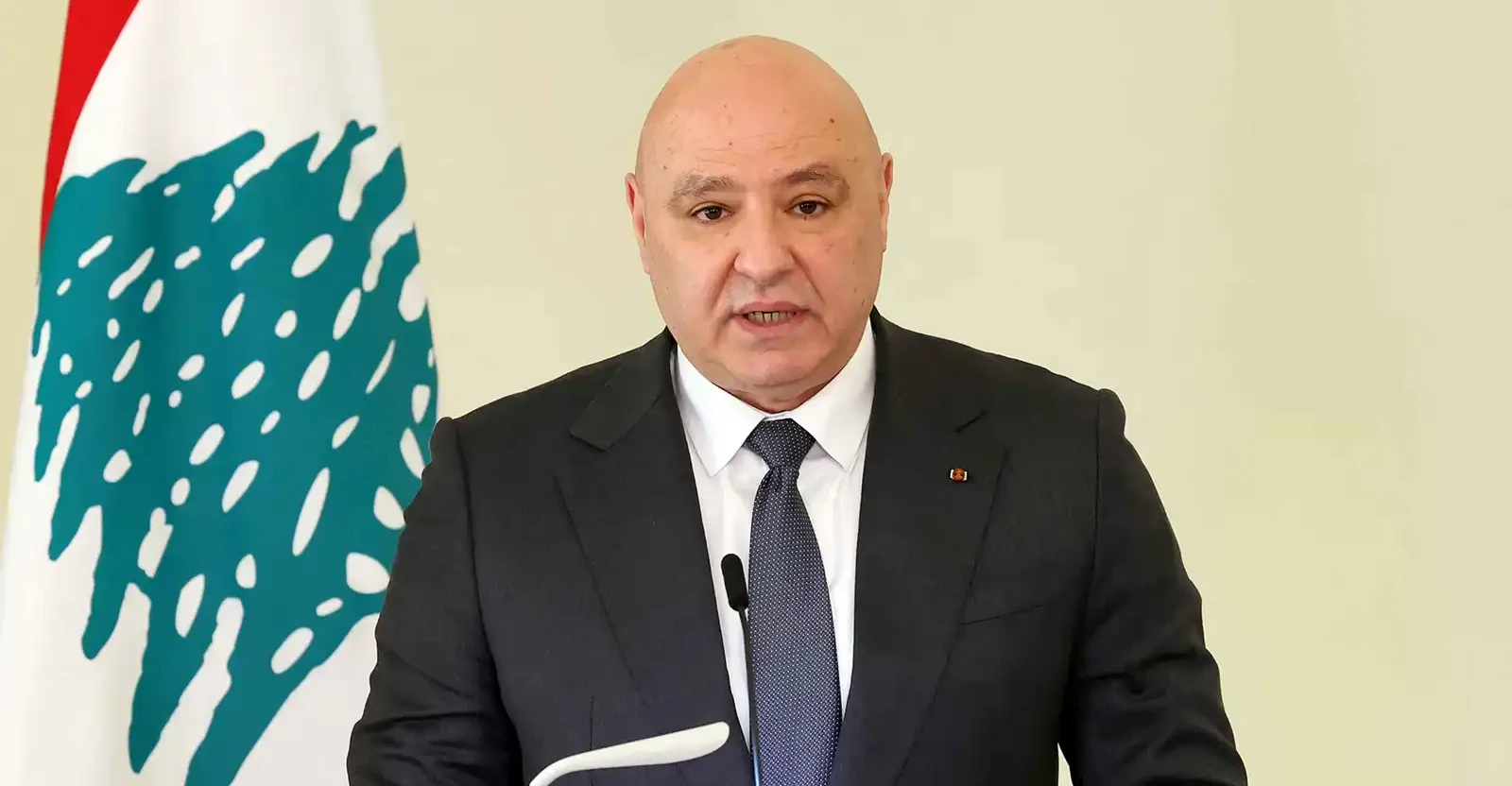
Israeli occupation and Iranian interference are two major obstacles to Lebanon achieving full sovereignty, President Joseph Aoun said on Saturday, adding that the two issues were closely linked, with each providing justification for the other.
During a ceremony marking Lebanon's Independence Day, Aoun said Lebanon continued to bear the consequences of successive conflicts.
Addressing Israel, the Lebanese president called for the withdrawal of its forces from all Lebanese territory, an end to attacks, and the release of Lebanese prisoners.
Turning to Iran, Aoun declared that “the era of weapons outside the state is over,” calling for their surrender. He acknowledged that those weapons had played a role in an earlier period, “but they had subsequently inflicted heavy losses on Lebanon and its people, particularly after being used to serve causes unrelated to Lebanese interests.”
كلمة رئيس الجمهورية العماد جوزاف عون في عيد الاستقلال: هذا الجيش الذي لم يتخل عن واجبه رغم كل الأزمات، والذي يحمل مسؤولية حماية الوطن والدفاع عن أرضه وشعبه. والجيش ليس جيش فئة في مواجهة فئة، ولا جيش منطقة في مواجهة أخرى إنه جيش الدولة، ومهمته حماية الجميع. إن ضمانة أمن اللبنانيين لا تكون بتعدد السلاح والقرارات، بل بدولة واحدة، وجيش واحد، وسلطة شرعية واحدة تتحمل مسؤولية الدفاع عن الوطن. فالجيش و الاجهزة الامنية هم الضمانة العسكرية الشرعية لحماية لبنان، والدولة هي الإطار الذي يصون أمن جميع أبنائه وحقوقهم.
— Lebanese Presidency (@LBpresidency) November 21, 2026
Aoun maintained that diplomacy did not amount to surrender, negotiations did not require abandoning national rights, and peace was compatible with dignity. Ending wars, he argued, also required courage and sound judgment, particularly when civilians bore the consequences of continued fighting.
He also cited displaced residents unable to return home and the state's lack of exclusive authority over decisions of war and peace as obstacles to completing Lebanon's independence.
Read more: A weapons-free Srifa: Southern Lebanese return home without feeling safe