Iran rejects IAEA access to damaged nuclear facilities


Shafaq News- Tehran
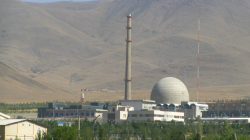
Iran's Foreign Ministry ruled out on Tuesday any International Atomic Energy Agency (IAEA) inspections of the country's damaged nuclear facilities, two days after the first round of talks with the United States in Switzerland.
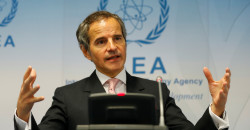
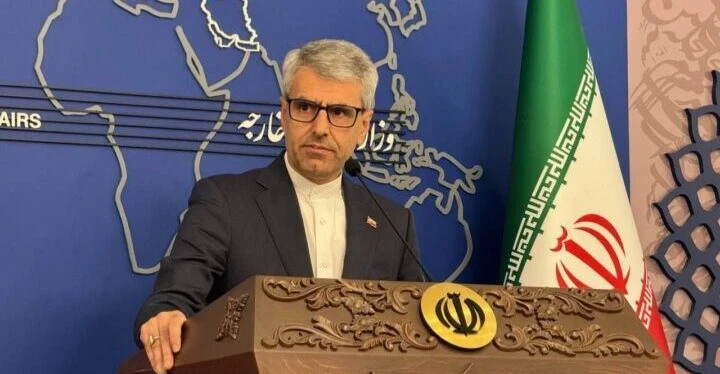
In remarks carried by Tasnim News Agency, Foreign Ministry spokesperson Esmaeil Baqaei dismissed reports of a meeting with IAEA Director General Rafael Grossi and said no special arrangements existed for inspections of the affected sites. He stressed that Tehran would continue implementing its obligations under the Nuclear Non-Proliferation Treaty, saying “the current process is very clear.”
Baqaei also rejected claims that missile issues had been raised during the Swiss discussions, insisting that Iran's missile program and defense capabilities “have never been a subject of negotiations and never will be.”
On Iran's frozen assets, he said Tehran would determine how to use the funds “in whatever way serves the country's interests,” adding that they are available for unrestricted use.
The first round of US-Iran talks concluded on Sunday in the Swiss resort of Bürgenstock, with Parliament Speaker Mohammad Bagher Ghalibaf, who according to Baqaei is expected to visit China soon, leading Iran's delegation, and US Vice President JD Vance heading the American side, while Qatar and Pakistan served as mediators. Vance described the meeting as “a very, very good day” and said Iran had agreed to admit nuclear monitors, calling it “the first step in permanently denuclearizing” the country.
Iran, however, insisted that no monitoring undertakings had been made, with state-run IRNA affirming that nuclear issues were not discussed during the 18-hour negotiations. Foreign Minister Abbas Araghchi, who attended the talks, welcomed the outcome, citing waivers on Iranian oil and petrochemical exports, the release of some frozen assets abroad, and the launch of a “major reconstruction & development plan” for Iran, adding that Lebanon's de-confliction mechanism would serve as the “first real test” of the agreement.
Qatar and Pakistan announced that Washington and Tehran had agreed to establish a high-level committee to provide political oversight of the mediation effort, supported by working groups handling nuclear issues, sanctions, and other aspects of the deal.