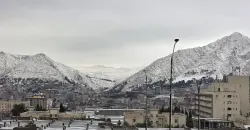
Winter snowfall strains daily life in Duhok’s northern border villages


Shafaq News– Duhok
Heavy
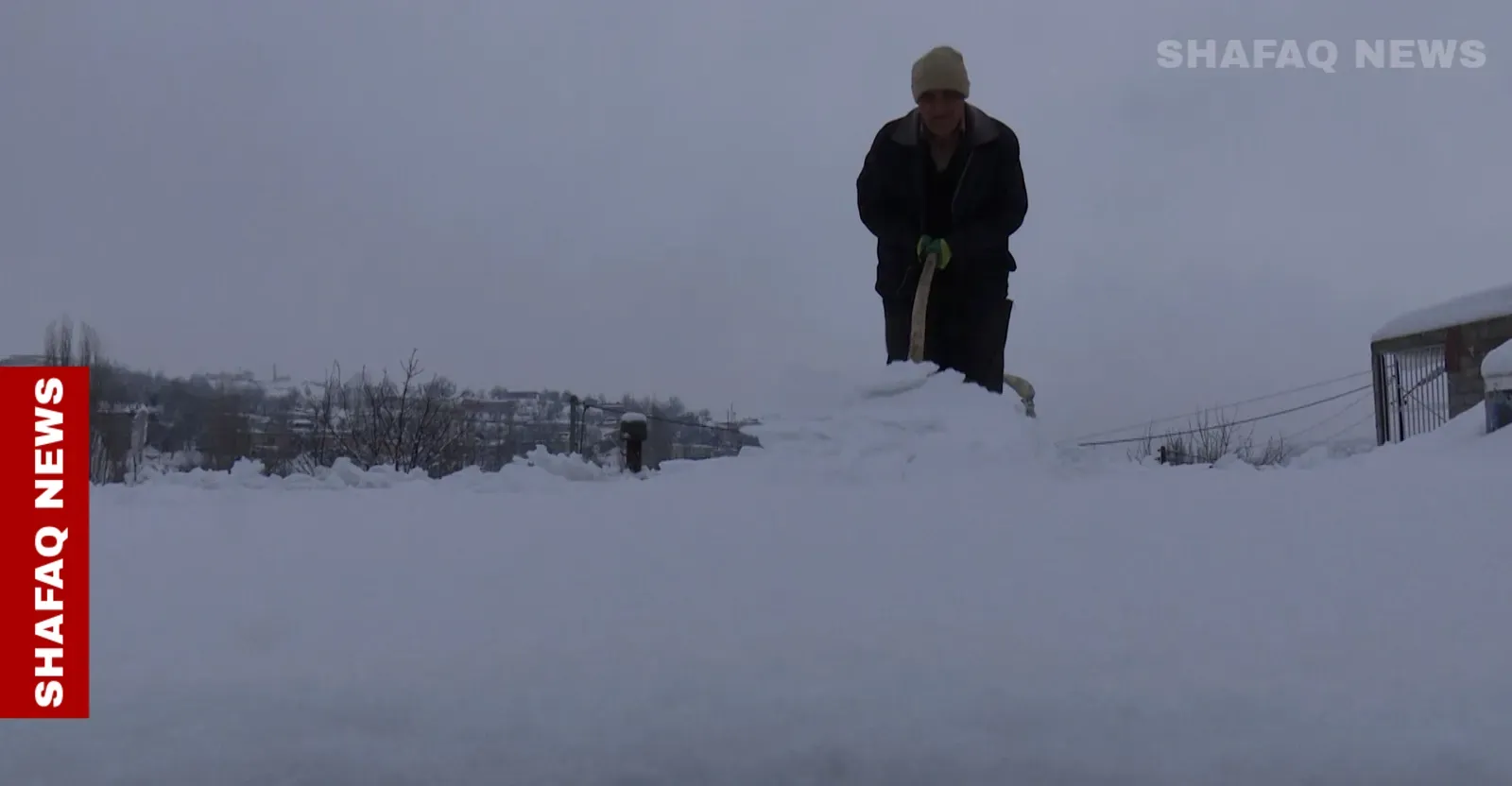
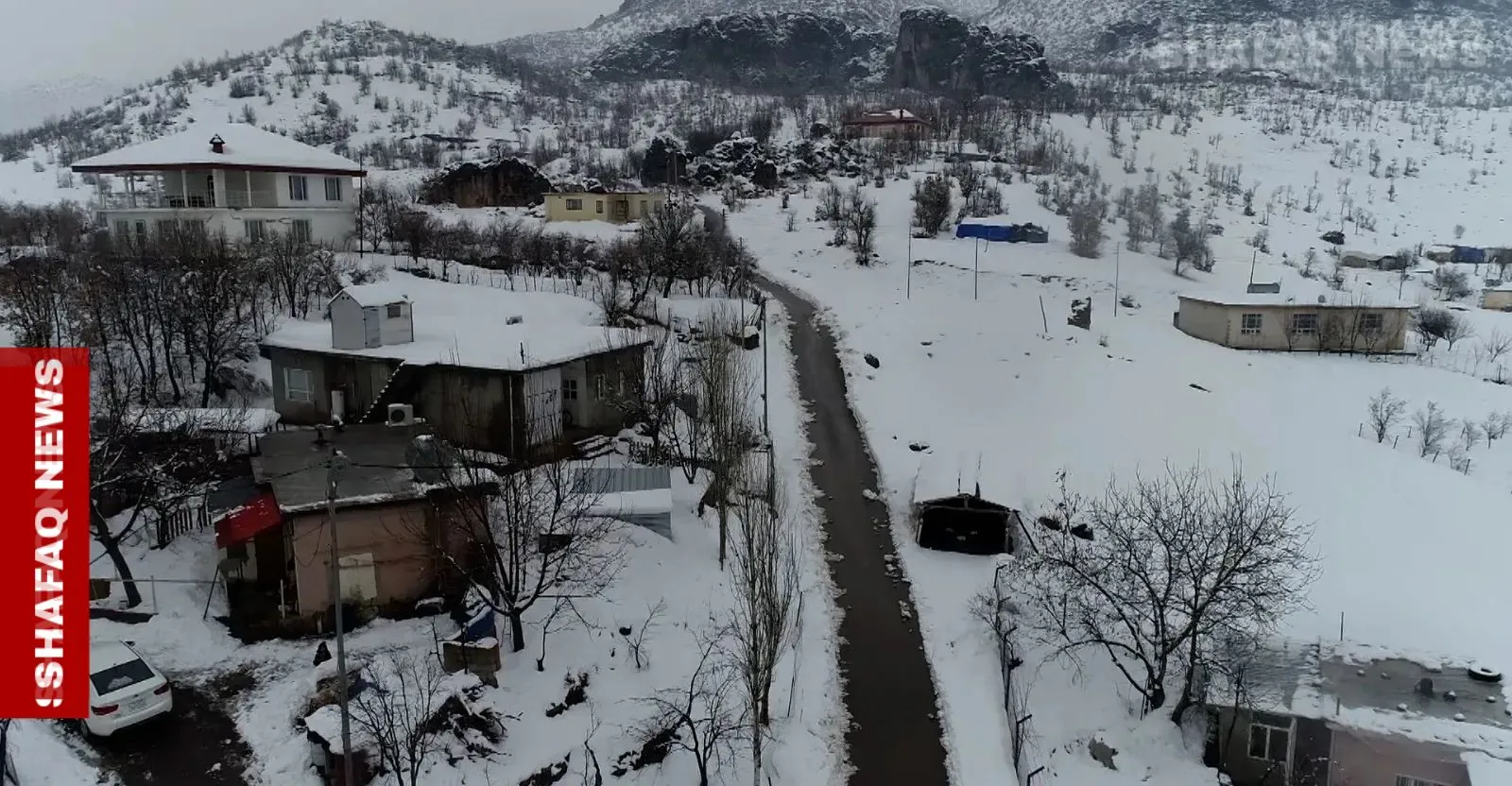
snowfall across northern Duhok province, with snow depth exceeding one meter in
some areas, has disrupted daily life in border villages this winter, cutting
off roads, limiting fuel supplies, and forcing residents to rely on firewood
and stored fodder to heat their homes and sustain livestock, according to
residents and herders.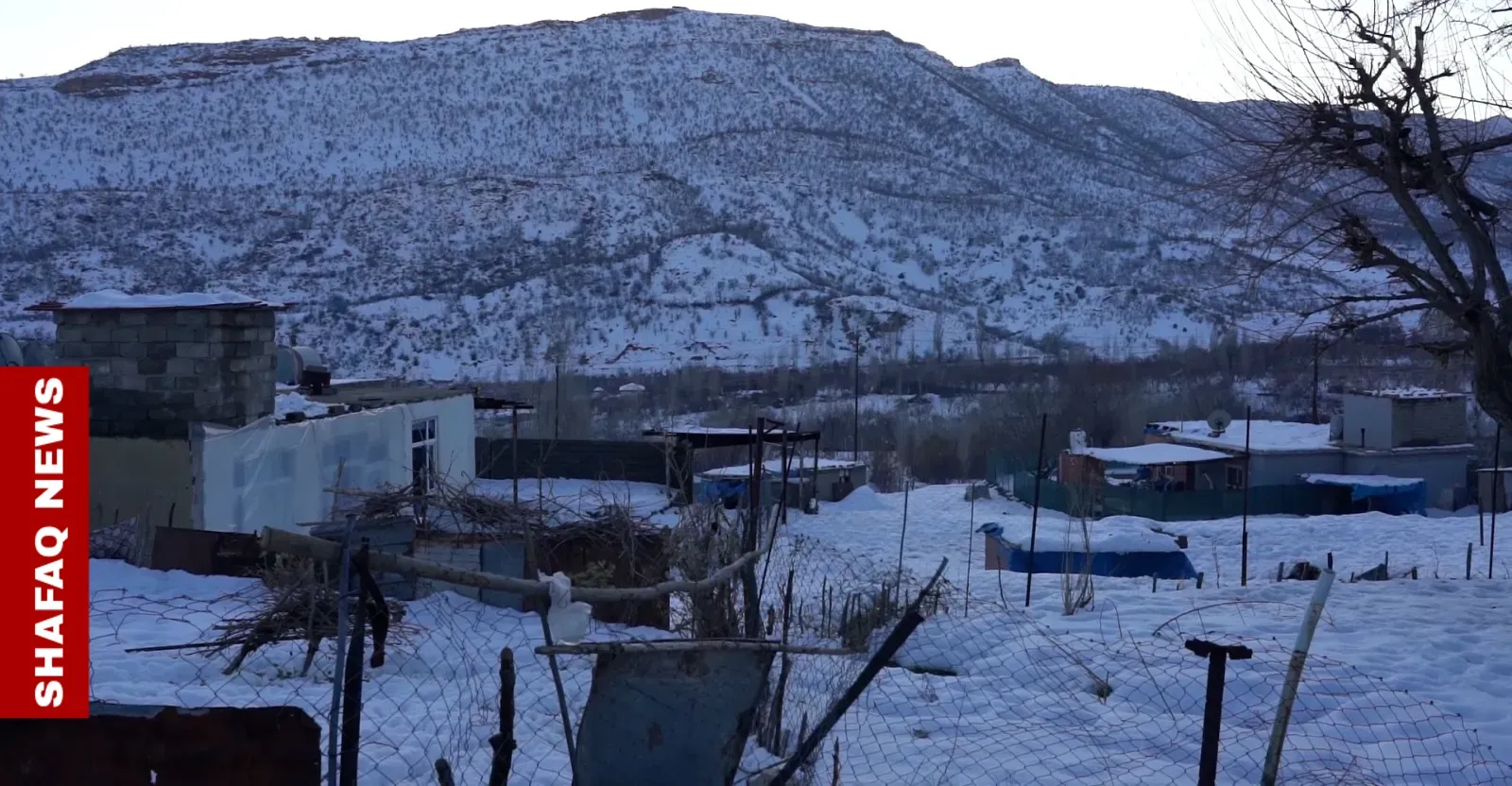
As
temperatures drop and snow accumulates, many families have struggled to obtain
kerosene, the primary fuel used for heating in rural homes. Limited
distribution has forced households to rely increasingly on firewood, not only
to warm their houses, but also to cook meals and care for livestock, which
remains the main source of income for many villagers.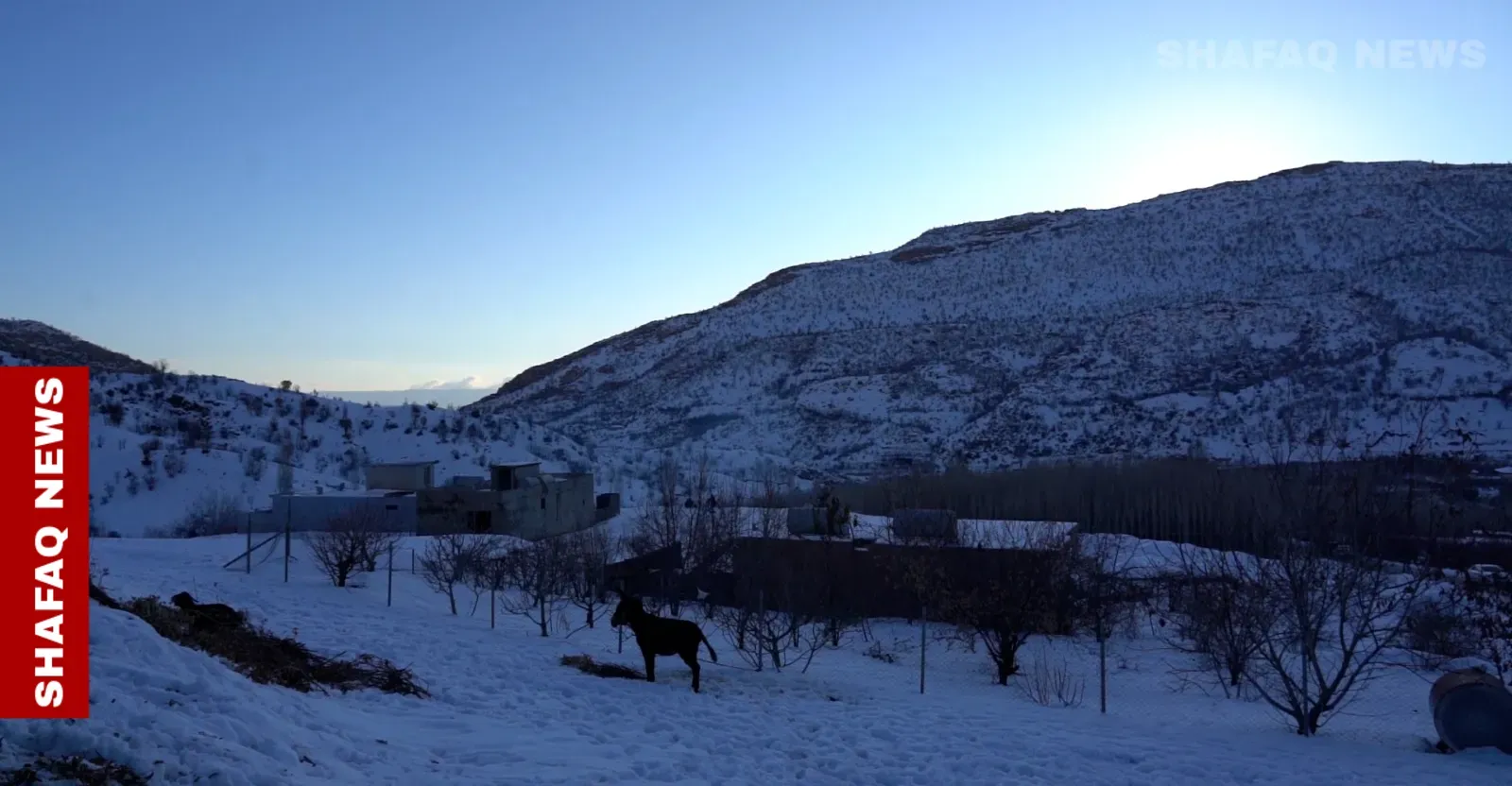
Rozhat
Khalil, a resident of a village north of Duhok, told Shafaq News that this
winter has been harsher than recent years. “Snowfall has been much heavier than
usual,” he said, noting that damage from earlier armed clashes between the
Kurdistan Workers’ Party (PKK) and Turkiye left lasting scars on forests and
agricultural land, with thousands of trees burned. “With the fighting halted,
people go to nearby areas to collect what remains of the burned wood and use it
for heating and cooking to get through the winter,” he explained.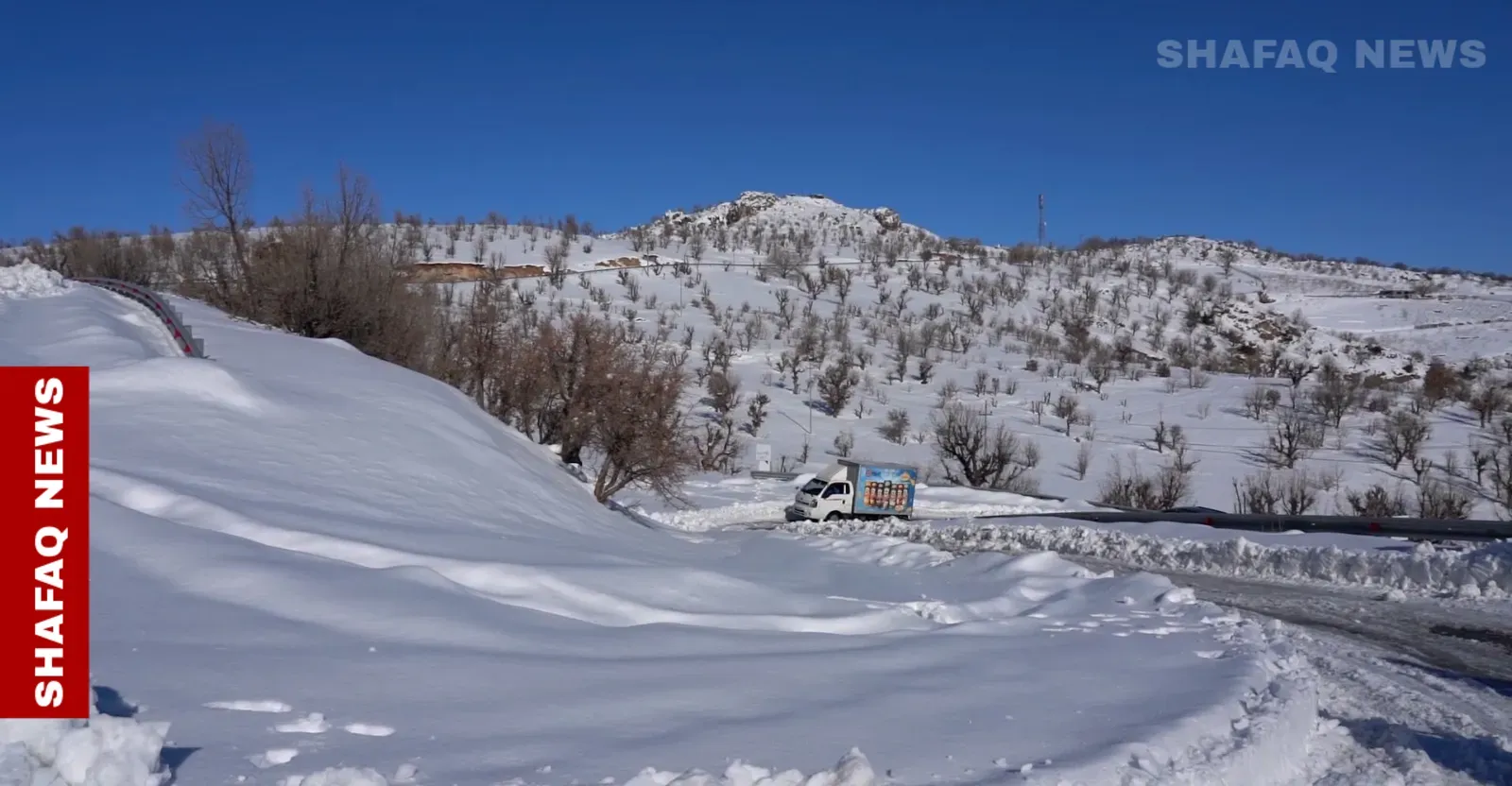
Livestock
owners say the snow has also disrupted grazing, increasing the burden on
households that depend on animals for their livelihoods. Afadel Banki, a local
herder, said thick snow has covered pastures and prevented animals from
reaching natural fodder. “We prepared ahead of winter by collecting tree leaves
and grasses during the summer months,” he said, “stored feed is now essential
to keeping animals alive.”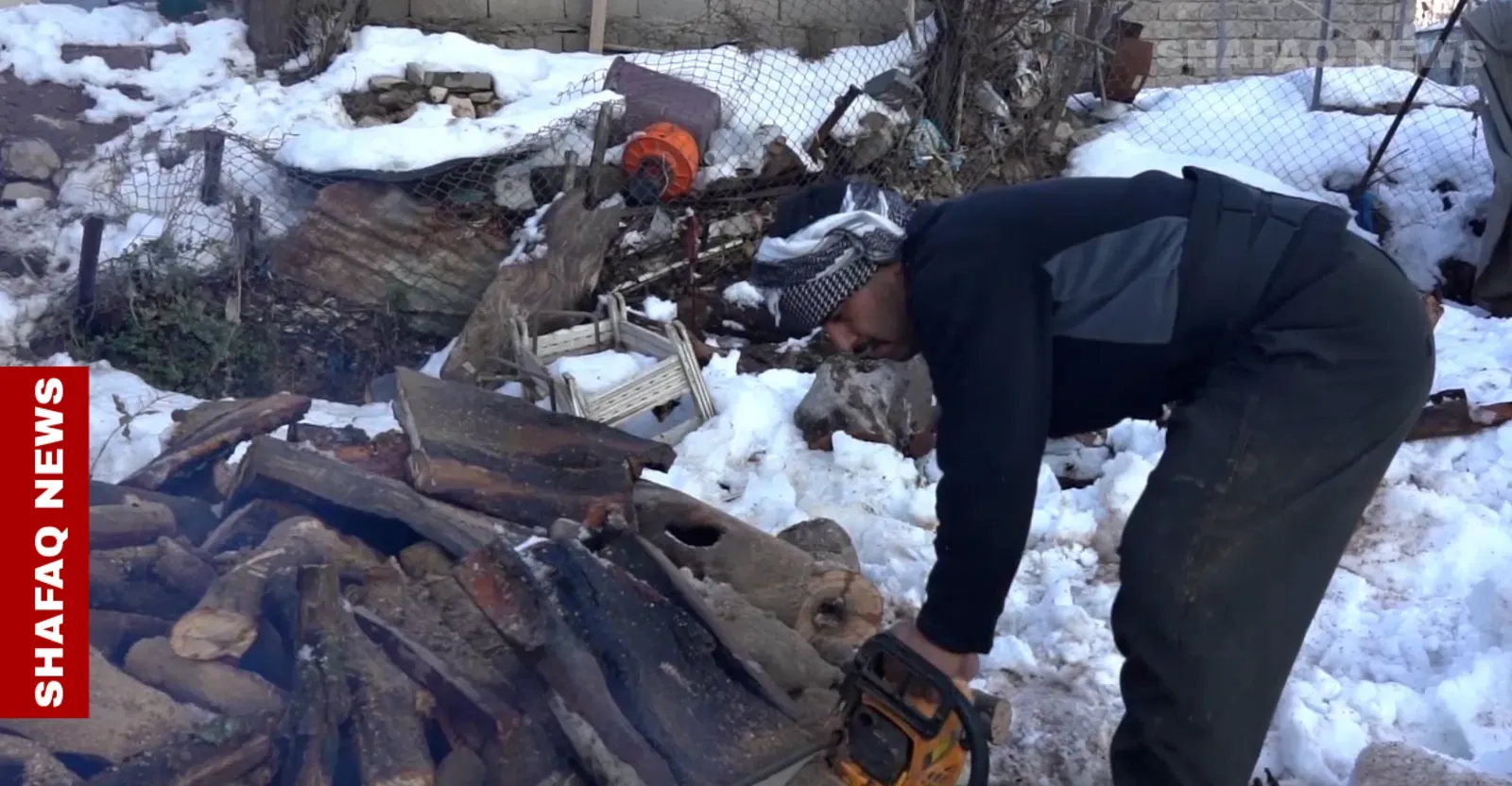
According to
Banki, freezing temperatures have also caused water to ice up inside pipes,
cutting off supply to homes and farms. “The freezing makes daily life even
harder.”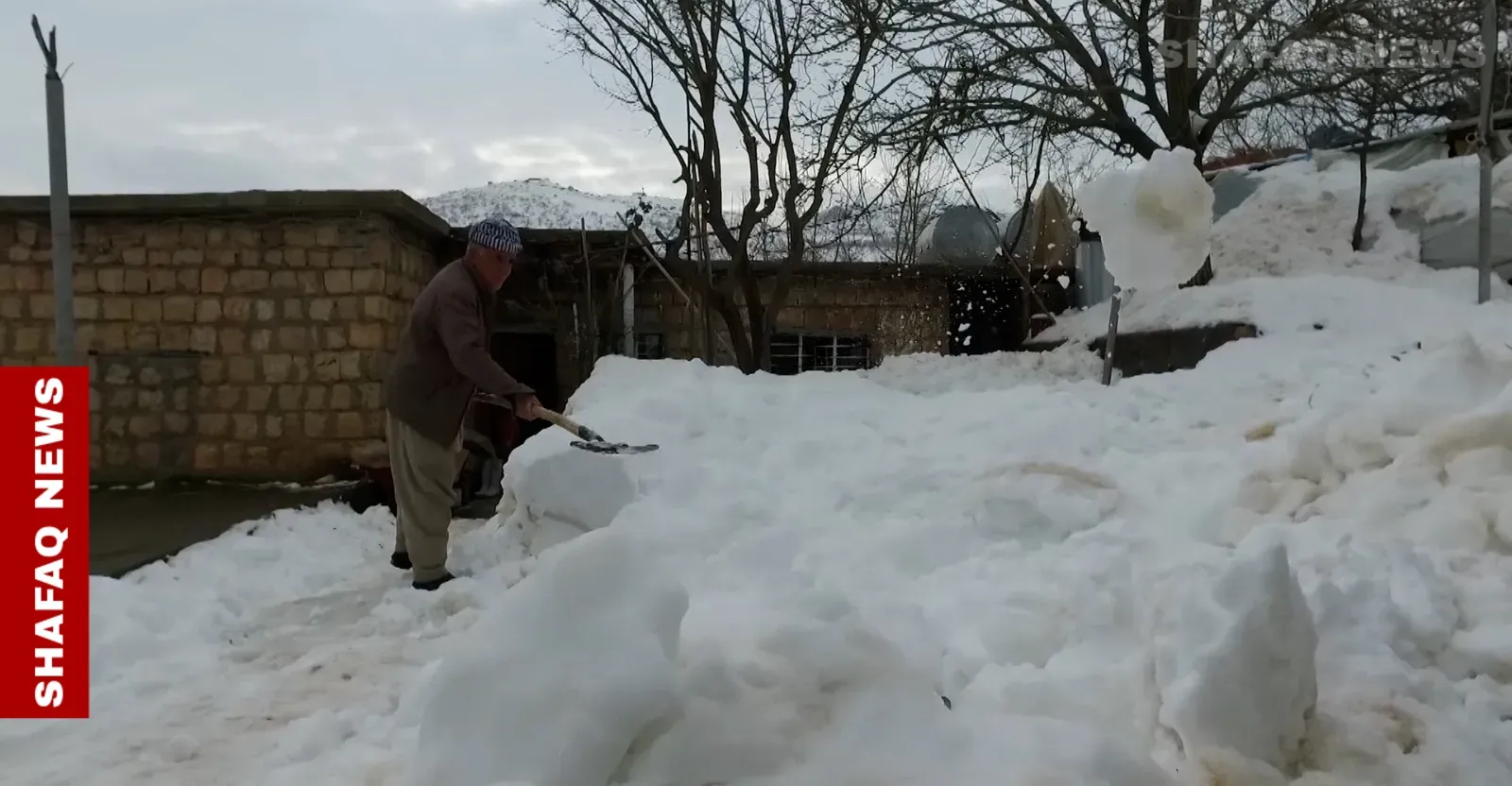
Despite
these hardships, residents say the heavy snow and rainfall also carry long-term
benefits. Many families rely on agriculture and seasonal water storage, and the
precipitation is seen as vital for replenishing reserves ahead of spring and
summer planting.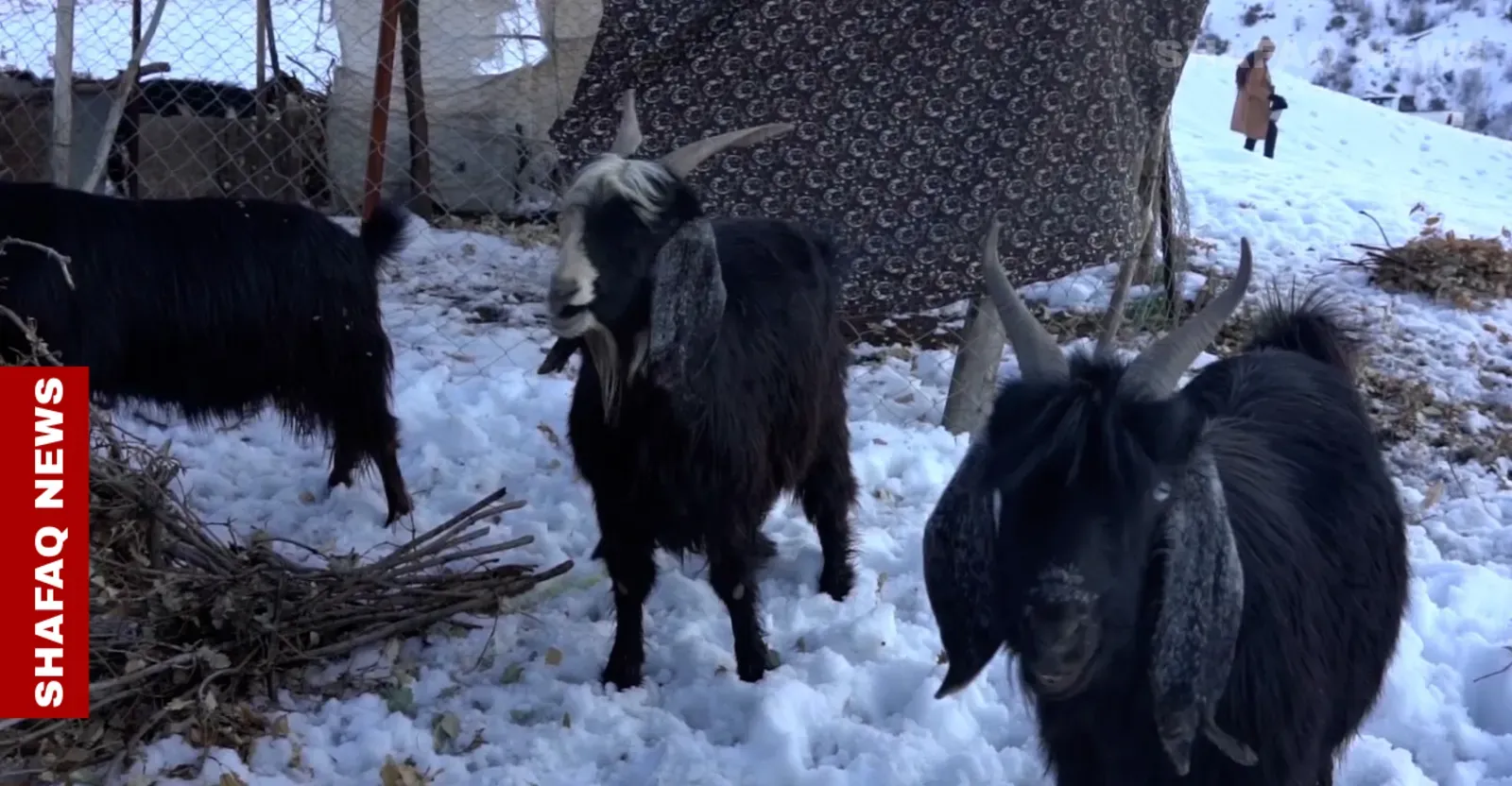
Despite
local authorities' work to reopen main roads to ease movement and reconnect
isolated communities, villagers say daily life remains shaped by the cold, the
snow, and the resilience required to endure them.