KDP rejects Kirkuk governor's remarks on Article 140


Shafaq News- Kirkuk
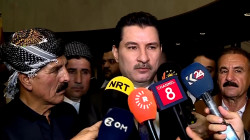
Article 140 of the Iraqi Constitution remains in effect, and any claim that it has expired diminishes the constitution and threatens coexistence among Kirkuk's communities, the Kurdistan Democratic Party's (KDP) Kirkuk-Garmian organizational office stated on Wednesday, responding to remarks by Kirkuk Governor Mohammed Samaan Agha.
In a statement, the office said Kirkuk should serve as a model of coexistence and brotherhood among all its components, stressing that ethnic and religious groups in the province must enjoy their full rights and obligations in a manner that preserves stability.
“Iraq's constitution, particularly Article 140, laid out a roadmap for resolving outstanding issues in Kirkuk and other disputed areas,” the statement added, describing the governor's remarks on the article's expiration as irresponsible, and warning that undermining the constitution reflects on the legitimacy of the Iraqi state.
Such statements, the party argued, do not serve the interests of Kirkuk's residents but instead represent an attempt to undermine coexistence, stoke sedition, and deepen divisions within the province.
Calling on the governor and all officials to respect the constitution and the rights of Kirkuk's residents, the KDP urged a wise approach to contested files and continued efforts to strengthen unity and protect the interests of the province and its people.
Earlier, Governor Mohammed Samaan Agha of the Iraqi Turkmen Front said that the Iraqi state "erred when it enacted Article 140 of the constitution," arguing that the article had lapsed with the expiration of its timeframe.
Article 140 of the Iraqi Constitution provides a framework for resolving the status of disputed territories between the federal government and the Kurdistan Region of Iraq (KRI), most notably Kirkuk. It sets out a three-stage process: normalization, a population census, and a referendum, intended to determine the administrative status of these areas by a deadline of December 31, 2007. Nearly two decades past that deadline, the article remains unimplemented and continues to stand as one of the most persistent unresolved issues in federal-Kurdish relations.