Nineveh Council member: residents reject sectarianism, demographics


Shafaq News – Nineveh
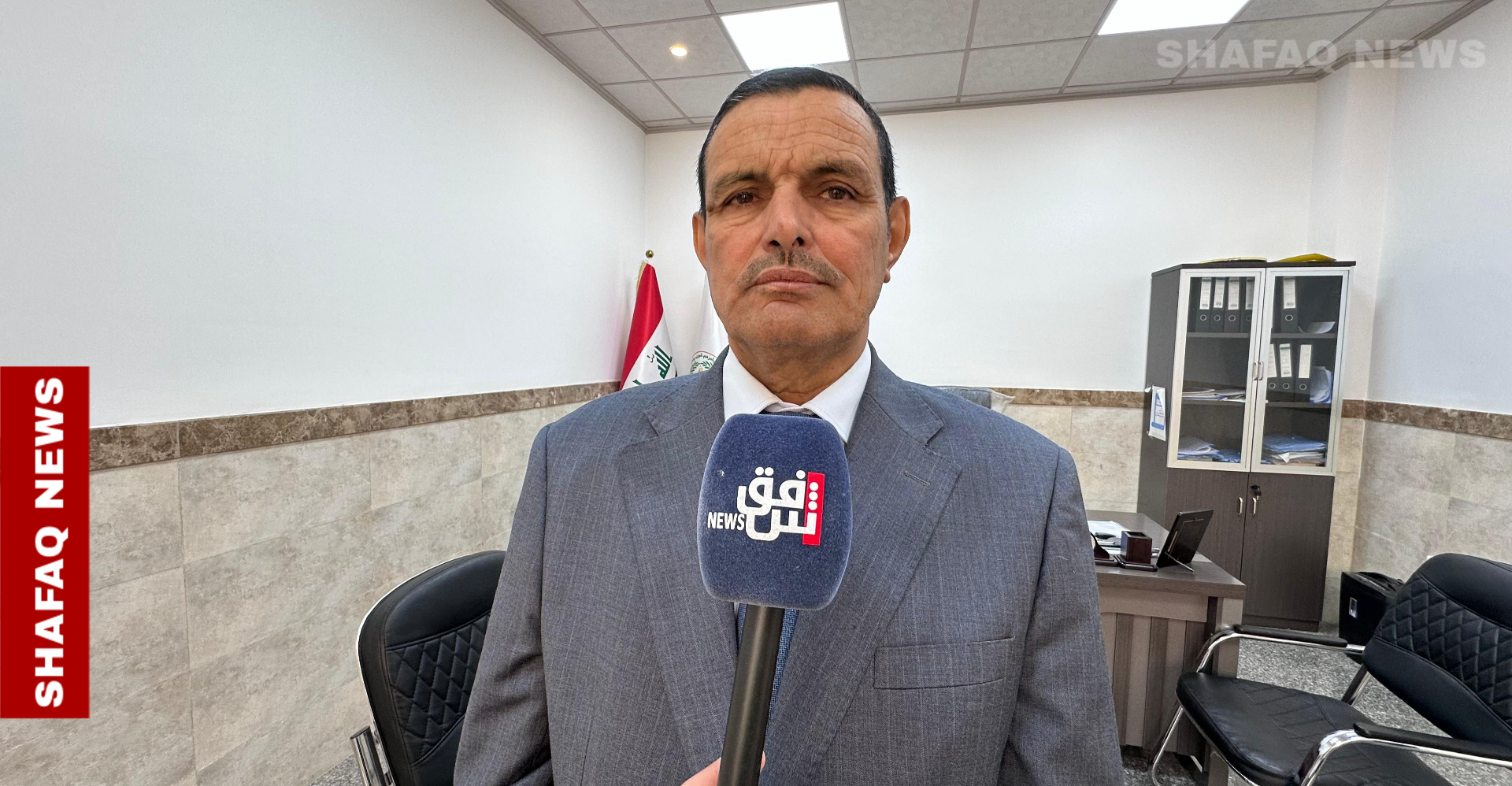
On Wednesday, Mohammed Ahris, a member of the Nineveh Provincial Council, warned against the use of sectarian, ethnic, or provocative political discourse.
Stressing the importance of peaceful coexistence and rejecting demographic changes affecting parts of the region, Ahris told Shafaq News that “any attempt to destabilize Nineveh by fueling political discord must not be allowed.”
He also addressed allegations of demographic engineering, clarifying that residents from various ethnic and religious backgrounds have long held land in areas such as Qazafakhra, Ajliokhan, and Khazir.
“These citizens have owned land there for decades, yet they are still denied permission to build homes under the pretext of demographic concerns. This is unacceptable,” he stated.
According to Iraq’s Independent High Electoral Commission, 36 electoral lists representing 12 parties, 9 political alliances, and 15 minority quota lists will compete in Nineveh’s parliamentary elections scheduled for November 11.
The quota system includes 8 lists representing the Yazidi community, 4 for the Shabak, and 3 for the Christian community, along with two independent candidates running under quota allocations. In total, 1,400 candidates are registered in Nineveh province.
Nineveh is one of Iraq’s most ethnically and religiously diverse provinces, home to Sunni Arabs, Assyrian Christians, Yazidis, Shabaks, Turkmen, and Kurds. Areas like the Nineveh Plains and Sinjar are disputed between the federal government and the Kurdistan Regional Government (KRG). These territorial claims fuel ongoing political friction and deepen ethnic and sectarian divisions. Communities often align with either Baghdad or Erbil, adding complexity to local governance.