Iraq to integrate 35K faction fighters into state forces


Shafaq News- Baghdad
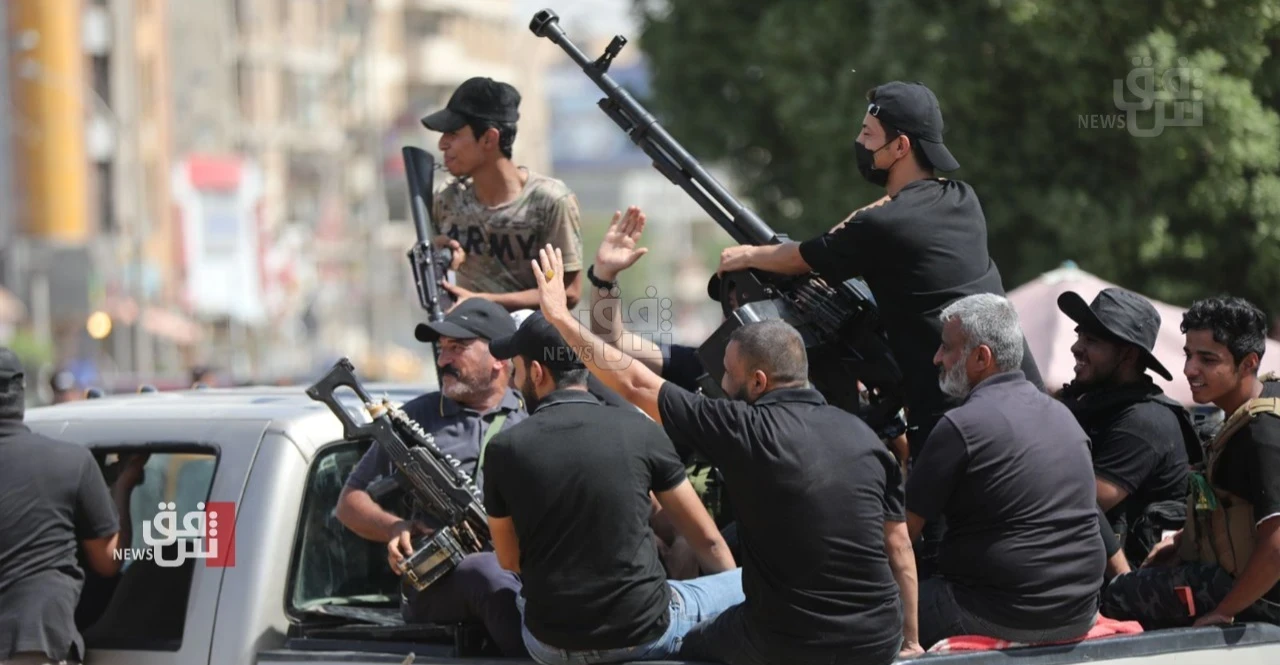
Around 35,000 members of Iraqi armed factions will be absorbed into state security and military institutions in exchange for surrendering their weapons, a political source told Shafaq News Agency on Wednesday, describing the plan as a major step that could reshape the country’s armed landscape.
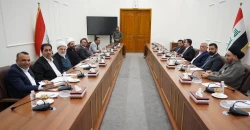
The proposal, discussed during the most recent Shiite Coordination Framework meeting, was put forward by Prime Minister and Commander-in-Chief Ali al-Zaidi. It lays out the distribution of positions across the army, police, and the Counter Terrorism Service, while setting a three-month deadline for other armed groups to decide whether to join the process.
“Authorities are preparing enforcement measures for factions that fail to comply within the deadline, including possible legal and security consequences,” the source added, noting that financing for the large-scale absorption remains under review, with internal borrowing among the options being considered.
The initiative builds on earlier integration steps, including the absorption of roughly 15,000 Saraya al-Salam members, the armed wing of Iraq’s Patriotic Shiite Movement (PSM-Sadrist), led by Muqtada al-Sadr, who previously ordered the dissolution of the forces, leaving around 20,000 positions available under the current framework.
Similarly, Asaib Ahl al-Haq (AAH) and Kataib Imam Ali, two of Iraq’s most powerful Iran-aligned armed factions, established internal central committees tasked with implementing their disengagement from Popular Mobilization Forces structures and transferring weapons, personnel, and equipment to state authorities.
Meanwhile, Ashab al-Kahf, one of Iraq’s prominent clandestine armed groups, rejected outright any political calls for factions to surrender their weapons, dismissing arguments invoking the supreme Shia religious authority in support of disarmament as unfounded. Kataib Hezbollah, in turn, backed efforts to centralize arms under government oversight while signaling it would not disarm.
Read more: Is Iraq closer to restricting weapons to the state?