Seeking authentic flavors? Hit shop offers Iraq’s culinary legacy


Shafaq News/ In the center of Hit District in Iraq’s western al-Anbar Province, where narrow alleyways carry the scent of time and memory, a small shop continues to attract crowds for reasons far beyond commerce.
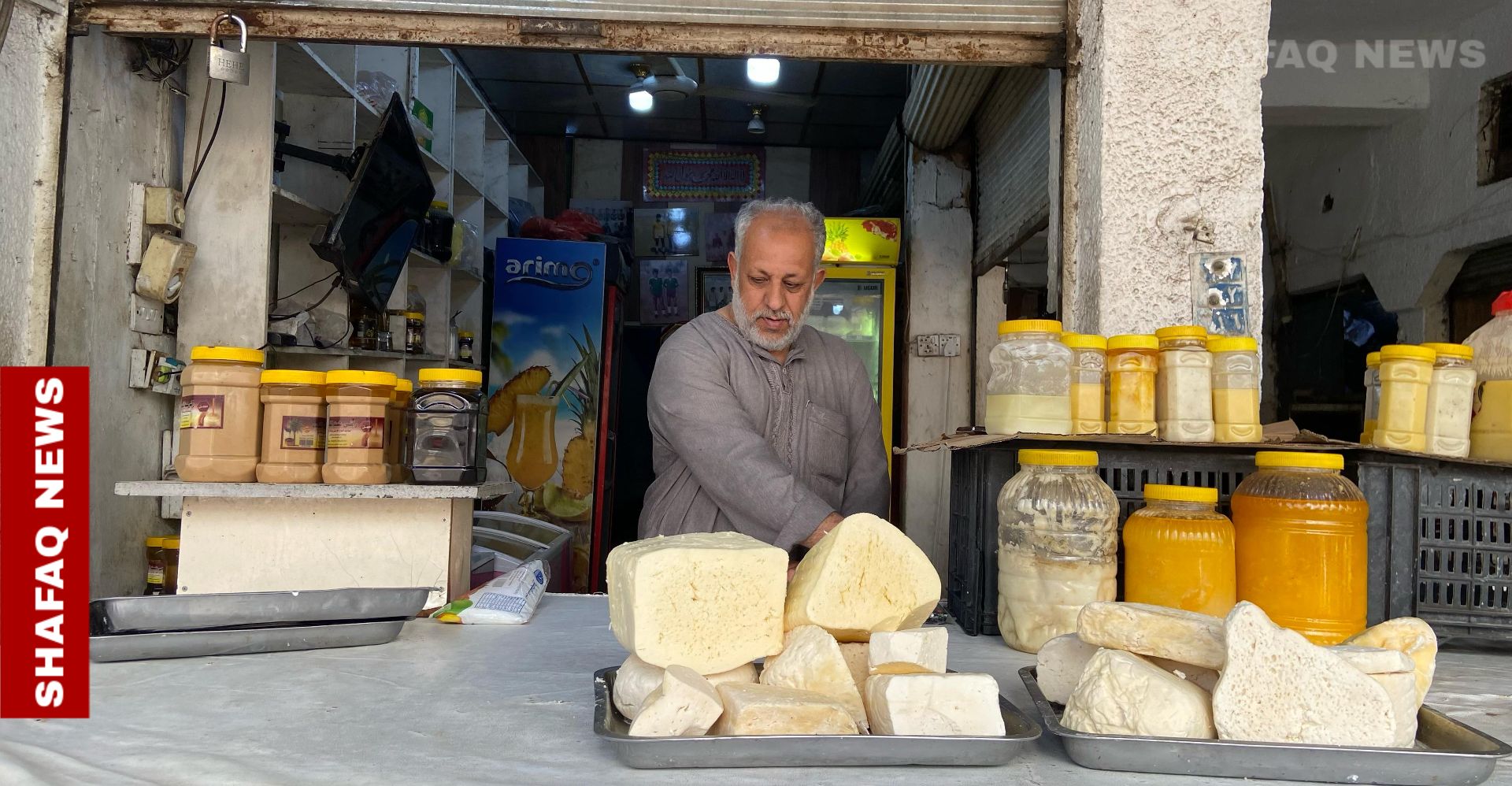
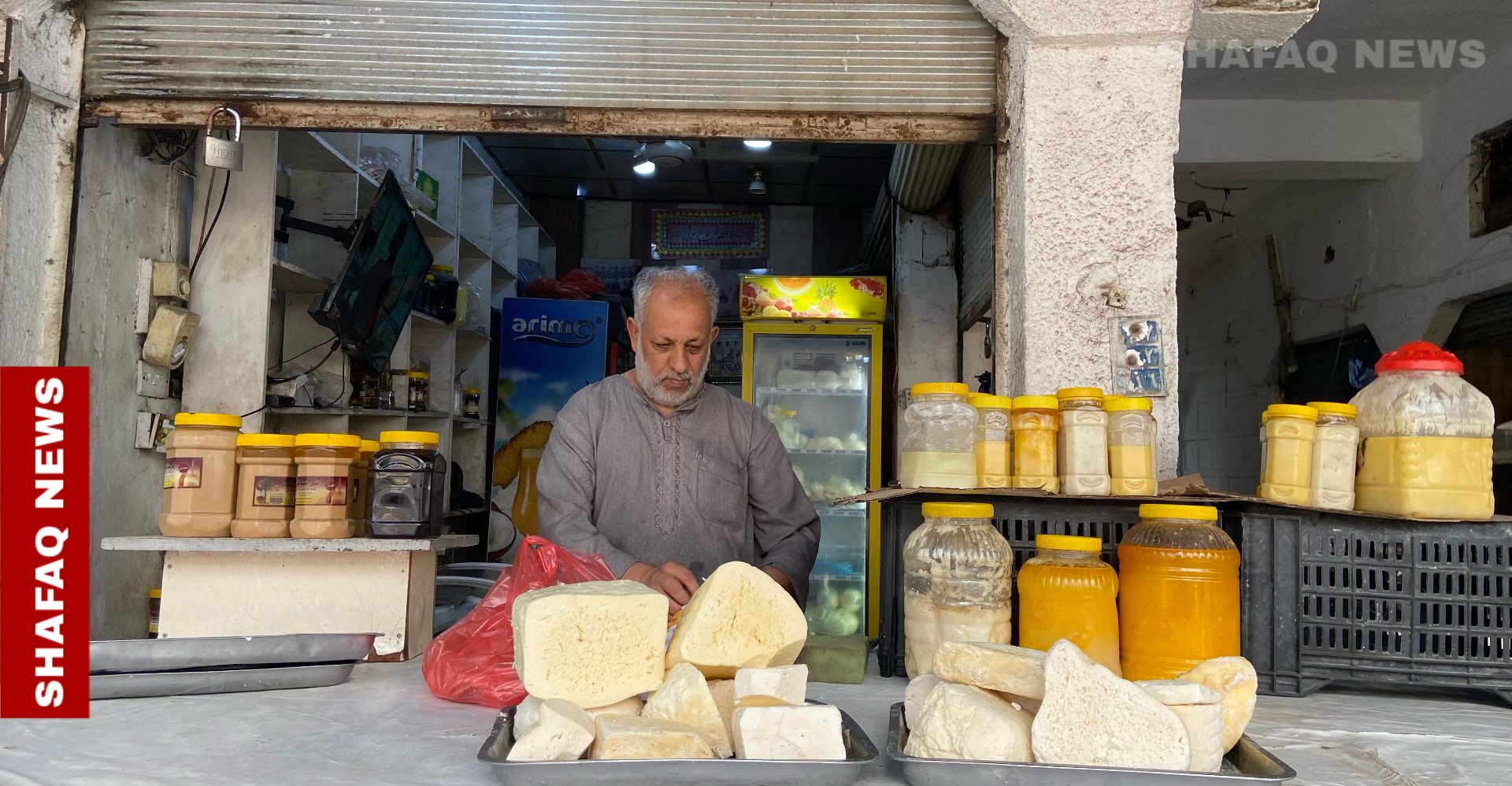
Surrounded by jars of clarified butter and blocks of cheese, 40-year-old vendor Abdul Alim Abu Nour quietly pursues a mission: preserving the authentic flavors of Iraq’s traditional cuisine.
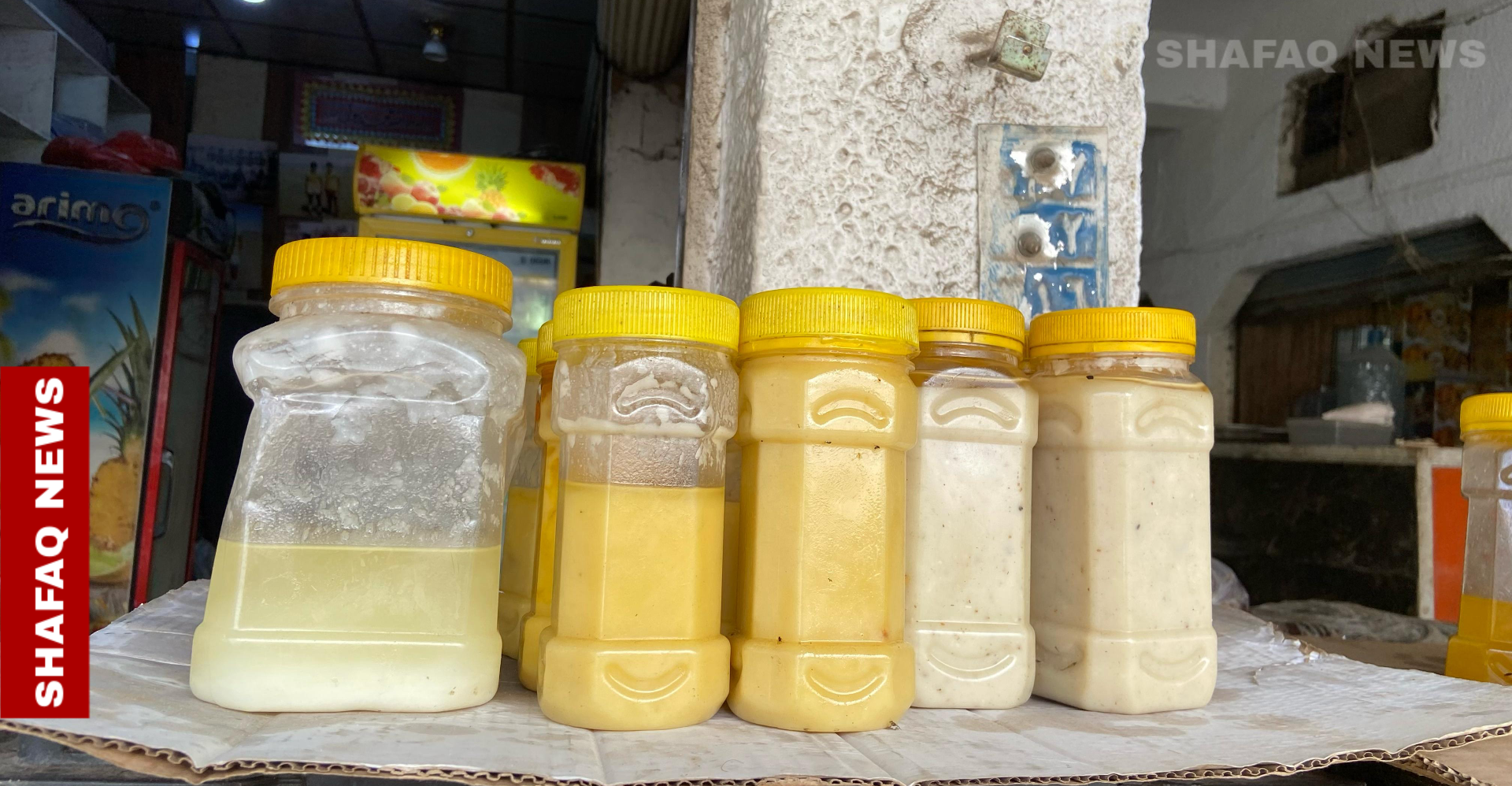
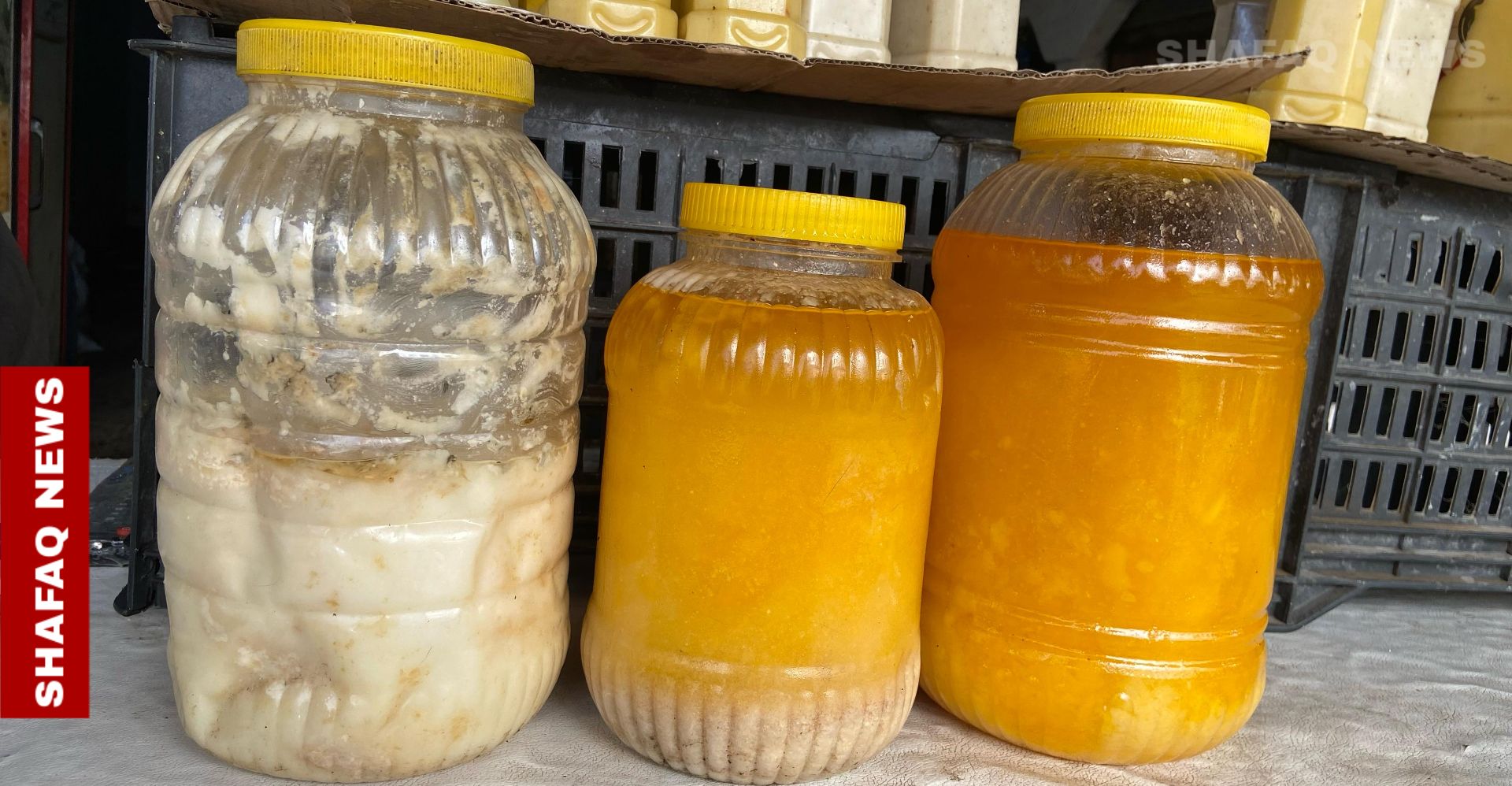
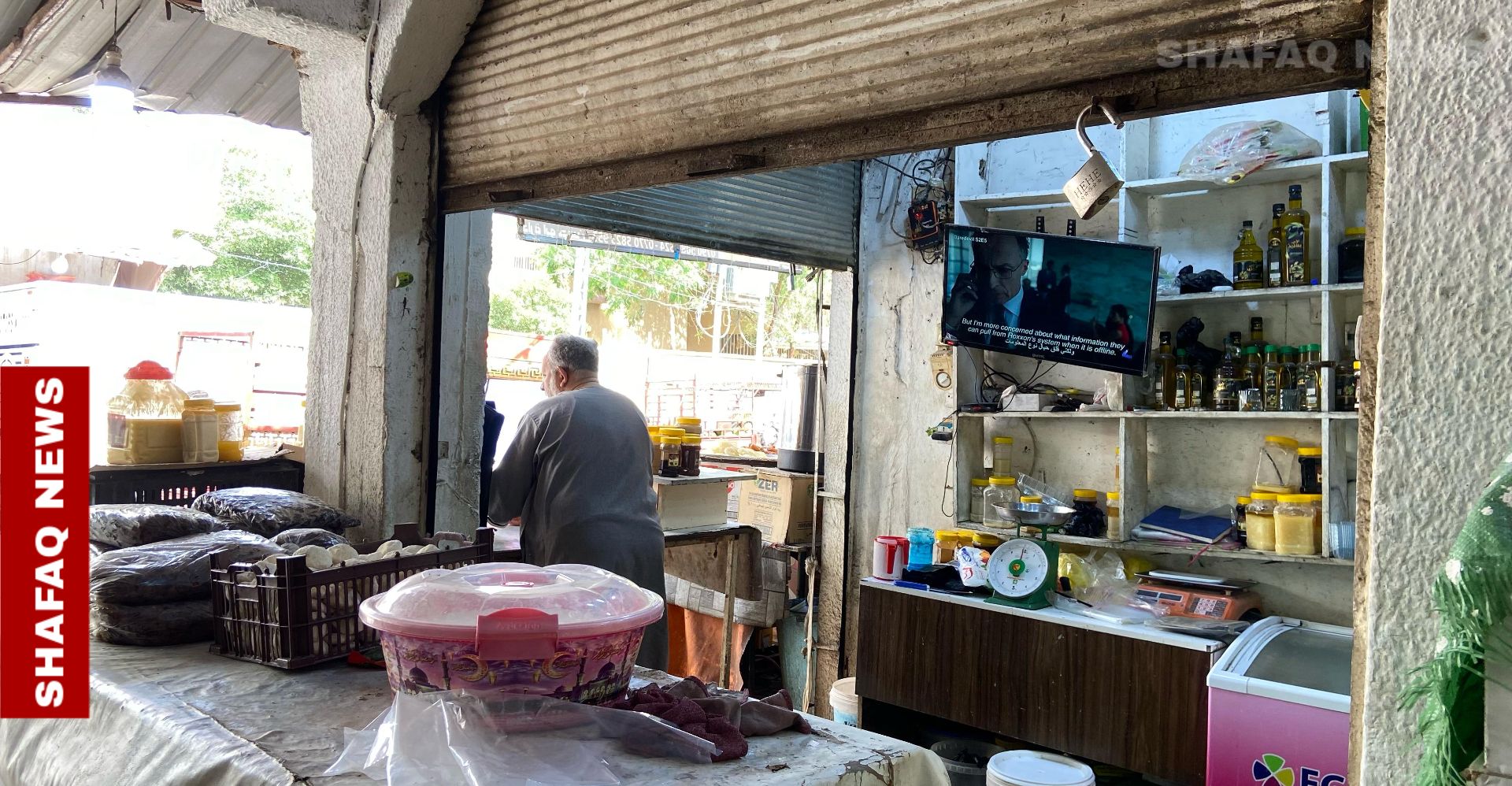
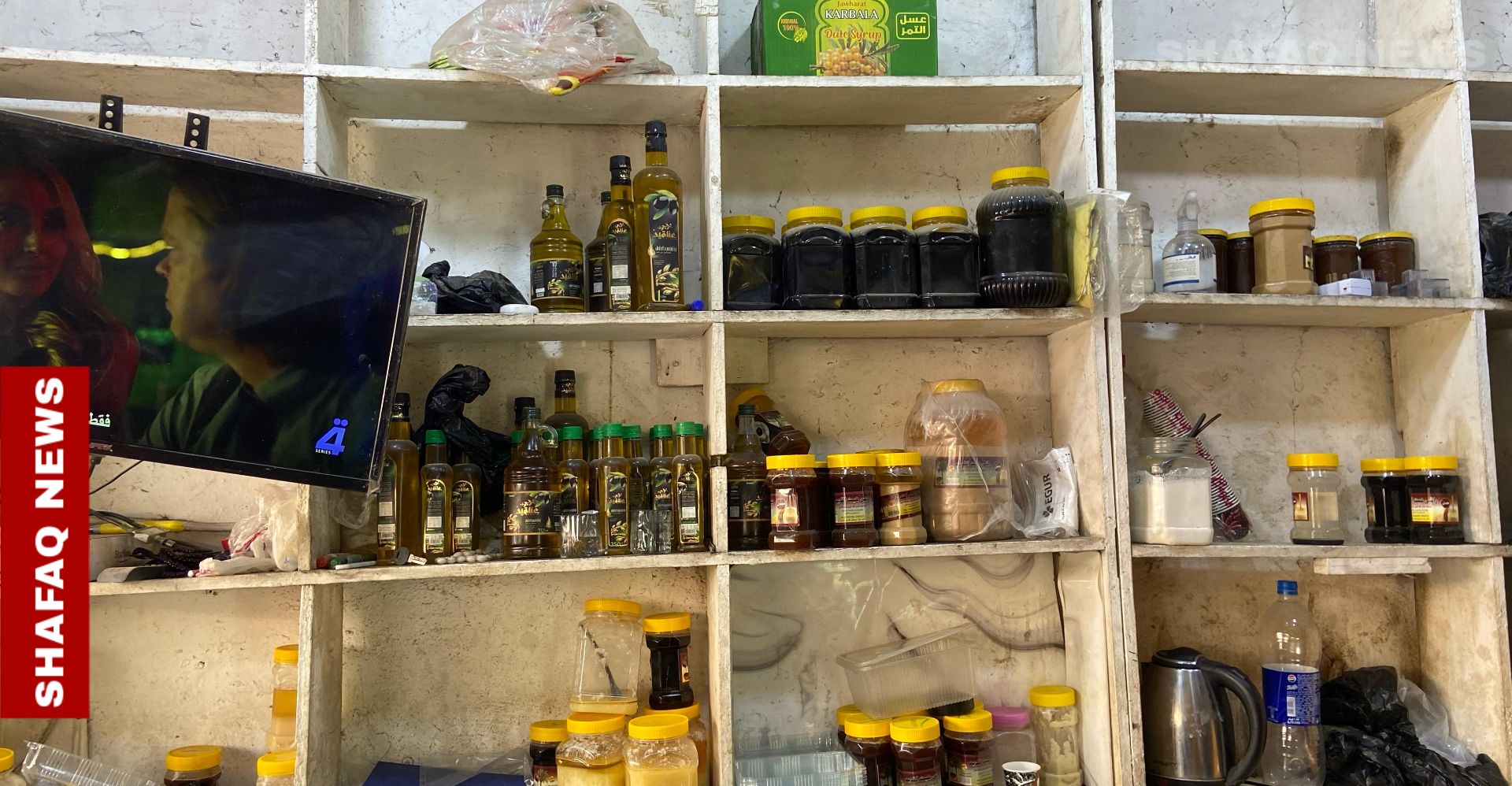
His shop, modest in appearance but rich in legacy, is more than a place to buy food—it’s a space where generations reconnect through familiar tastes. Inside, customers find Dahn Hurr (clarified butter) extracted from both cows and sheep, cheeses transported from Baghdad, and locally produced date molasses (dibis) and tahini (raashi), all neatly arranged on wooden shelves. The aromas alone are enough to stir memories of ancestral kitchens.
Iraq’s culinary heritage is rooted in simplicity and depth. Dishes often feature ingredients like dates, sesame, milk, wheat, and animal fat—staples handed down through centuries. Once a rural essential, Dahn Hurr is enjoying a quiet revival in places like Hit, where the land’s flavor still finds its way to the table.
“People know the difference,” says Abu Nour. “They ask for the original—completely natural, good for digestion, and 100% healthy.”
Clarified cow butter sells for 17,000 to 20,000 Iraqi dinars per kilogram (around $13–15), while the sheep variety—valued for its richness—can reach 40,000 dinars (about $30). But butter is just part of the appeal. “There’s growing demand for everything traditional,” Abu Nour explains.
“Date molasses, hand-pressed tahini, even imported Syrian oils—families are bringing these flavors back into their meals.”
His shop stands in quiet contrast to modern supermarkets. Here, every product is crafted by hand, carrying with it the knowledge and care passed through generations.