New roads, old jams: Baghdad struggles to untangle daily gridlock


Shafaq News – Baghdad
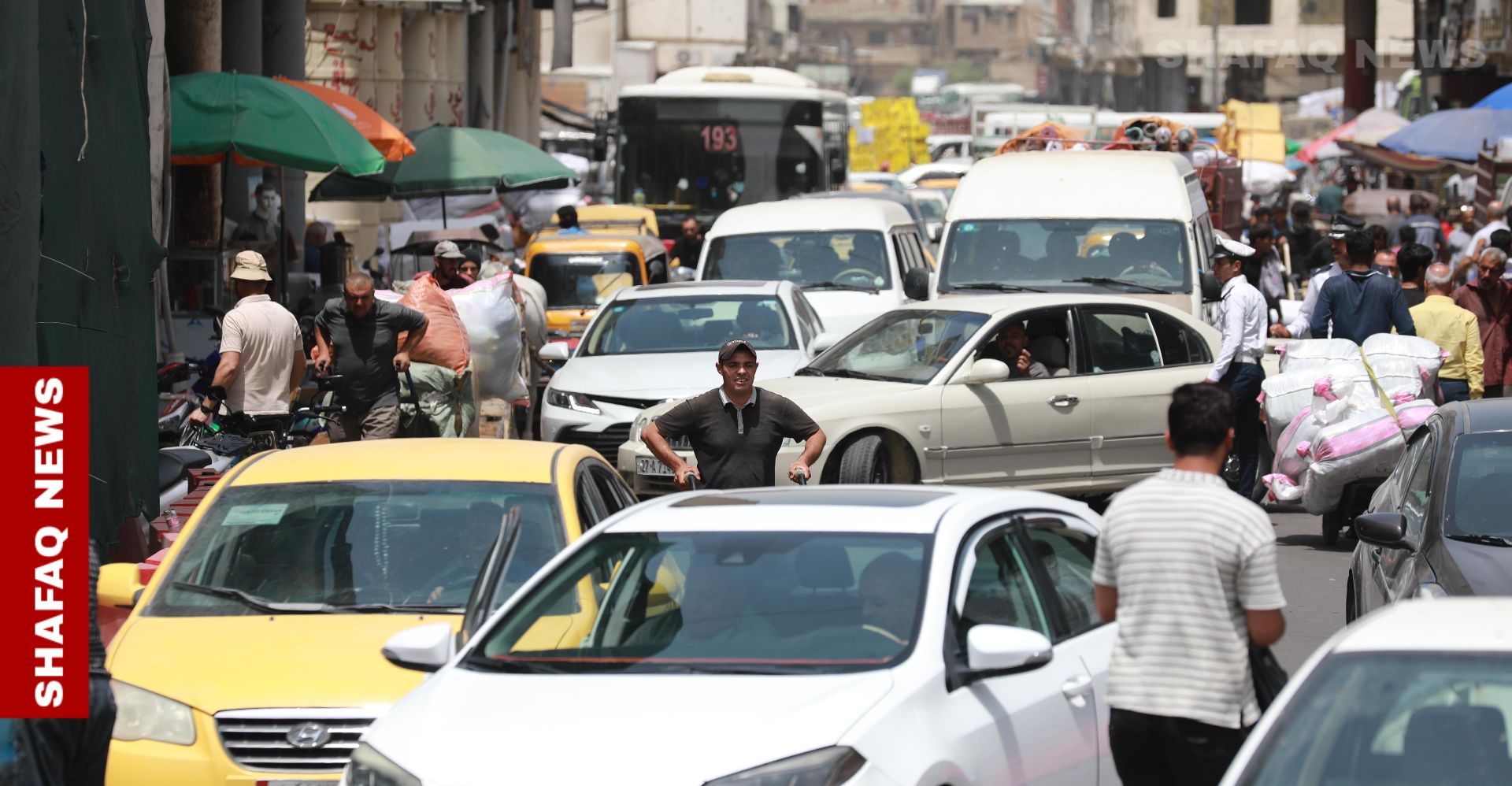
At 6:15 every morning, Raja al-Dulaimi leaves her home in Baghdad, hoping to reach the Ministry of Electricity before the fingerprint system marks her late.
“What should be a 10-minute drive on Fridays takes over an hour on weekdays,” she told Shafaq News, noting that even a newly built bridge near her neighborhood has failed to ease the gridlock. “The road still clogs up because it leads to universities, a police station, and a bank.”
Her frustration is echoed by many
across the capital, where, despite a sweeping infrastructure campaign by the
Iraqi government, traffic congestion remains a daily ordeal. Tayba Hadi, a
kindergarten teacher, shared a similar experience. “Traffic only eases outside
peak hours, and taxi fares sometimes double in the morning.”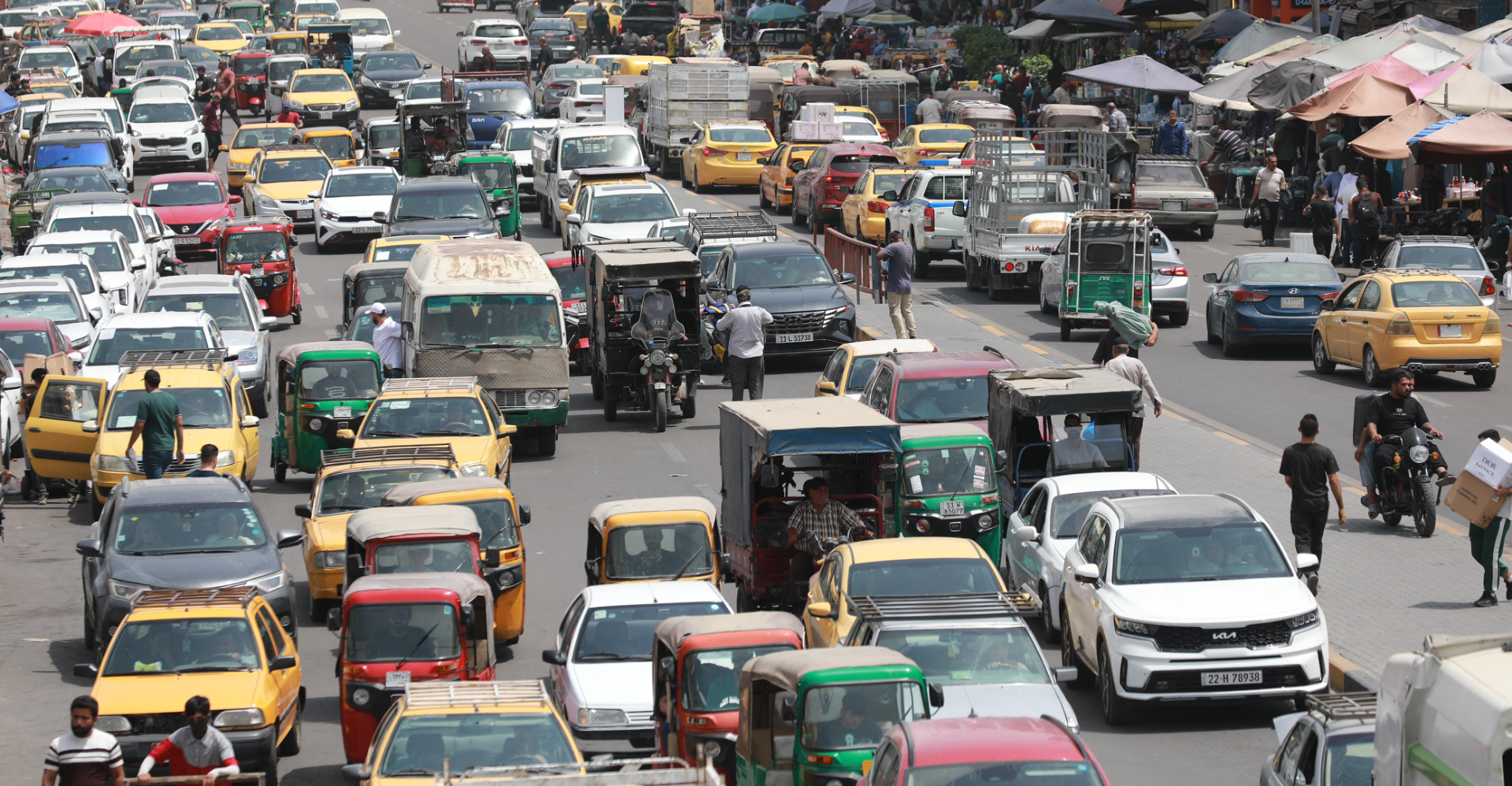
However, officials describe the current conditions as a transitional phase toward long-term solutions, considering that Prime Minister Mohammed Shia al-Sudani’s administration has launched a major development push in coordination with local and international companies, focusing on bridges, tunnels, and large-scale road expansions.
Brig. Gen. Ammar Walid, a former senior traffic official, said the completed projects could reduce congestion by up to 30%. He cited improvements in infrastructure, the use of surveillance cameras to enforce traffic laws, ongoing efforts to expand public transport, including the metro and suspended rail, and the staggering of work hours to ease peak-time pressure.
Economist Mustafa Akram Hantoush called the results “impressive,” comparing them to previous administrations that “wasted billions" on sidewalk repaving. “For less than 3 trillion dinars ($2.3 billion), the current government is building real infrastructure with visible results,” he told Shafaq News.
Still, while some areas have seen improvements, others remain paralyzed by stalled or incomplete projects, Haidar al-Hasnawi, a member of Parliament’s Services and Reconstruction Committee, remarked to our agency. “If the metro is implemented seriously, it could reshape Baghdad’s traffic reality.”
Several intersections have already
seen better flow following the completion of the first round of projects,
according to Nabil al-Saffar, spokesperson for the Ministry of Construction,
Housing, and Municipalities. Phase two is now underway through both the
ministry and Baghdad Municipality.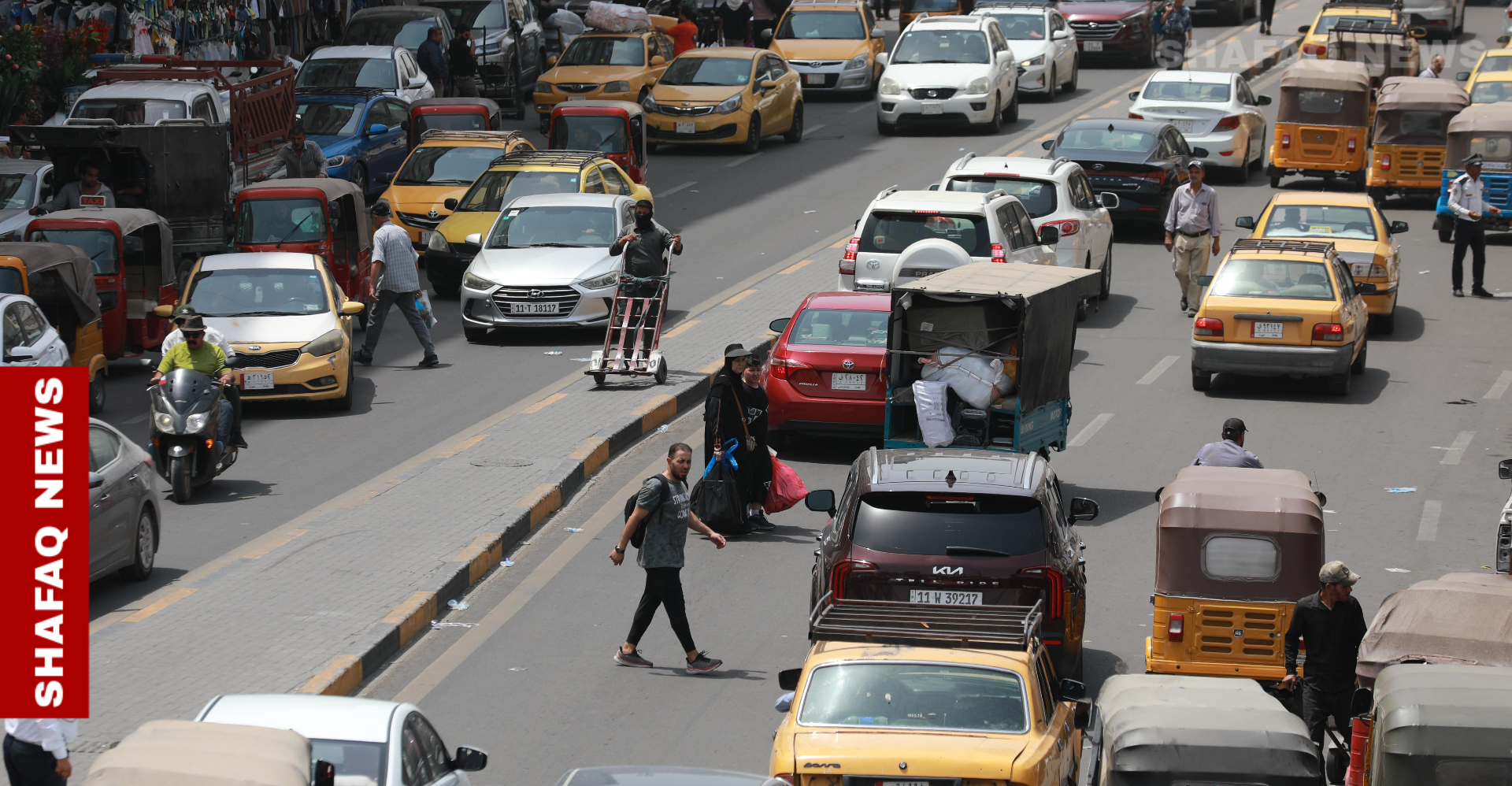
Among the most notable developments are six new bridges planned to connect al-Karkh and al-Rusafa: Jadriya Bridge II, Gaza Bridge in al-Zafaraniyah, al-Sarrayfiya II, two spans parallel to the suspended bridge, and Kriat Bridge in al-Kadhimiyah. Baghdad has not added a new Tigris crossing in over 30 years, al-Saffar noted, describing the bridges as a “vital modernization step.”
He also pointed to the Fourth Ring Road as one of the capital’s most strategic infrastructure projects. Crews have begun clearing paths, and the road is expected to significantly reduce traffic pressure inside the city once completed.
Ongoing evaluations of all projects are being carried out in coordination with the General Traffic Directorate and Baghdad Municipality. With direct support from the Iraqi government, al-Saffar affirmed, the aim remains to deliver real, lasting relief to Baghdad’s overburdened roads.