Muharram surge turns Karbala into economic engine


Shafaq News - Karbala
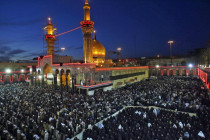
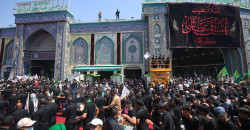
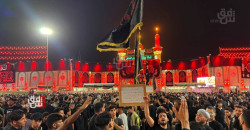
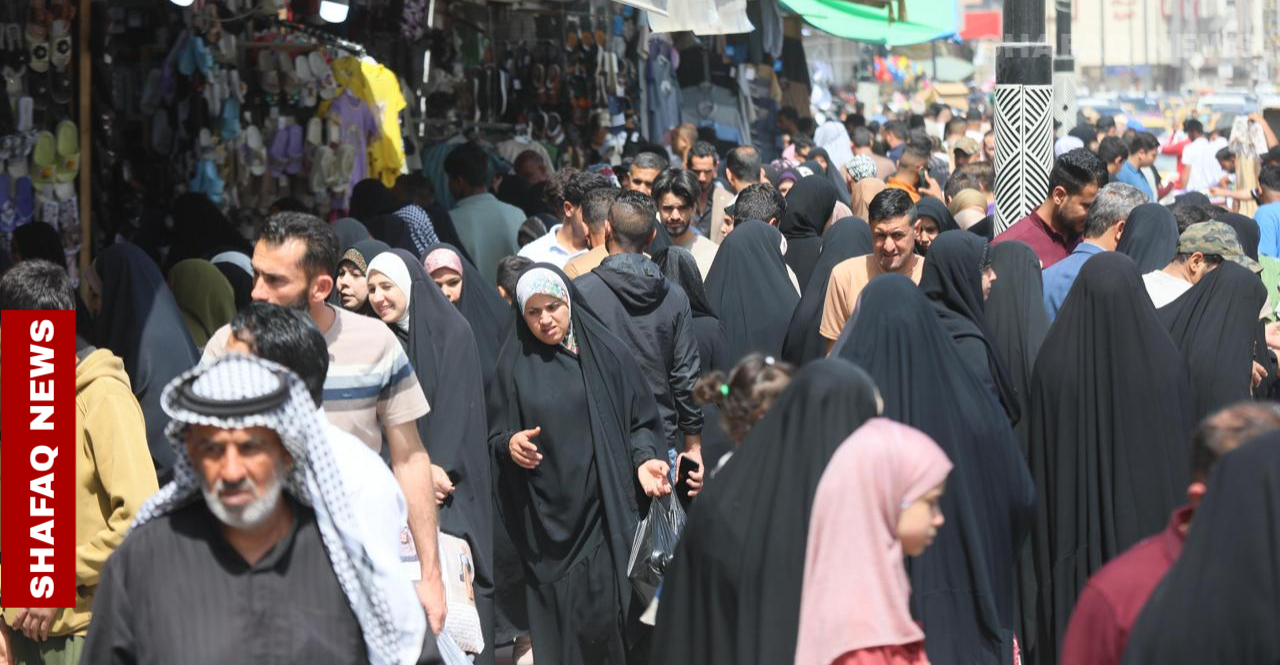
With the arrival of Muharram, local businesses in Karbala are witnessing a sharp increase in activity as pilgrims flock to the city for religious commemorations, creating a surge in demand for food, services, and temporary labor.
Muharram is the first month of the Islamic lunar calendar and holds special significance for Shiite Muslims, who mark it with mourning rituals, especially on the 10th day known as Ashura, commemorating the martyrdom of Imam Hussein, the grandson of the Prophet Muhammad. The season culminates in Arbaeen, a major pilgrimage observed 40 days after Ashura.
Millions of Shiite Muslims from Iraq and abroad travel—many of them on foot—to Karbala to honor Imam Hussein’s sacrifice.
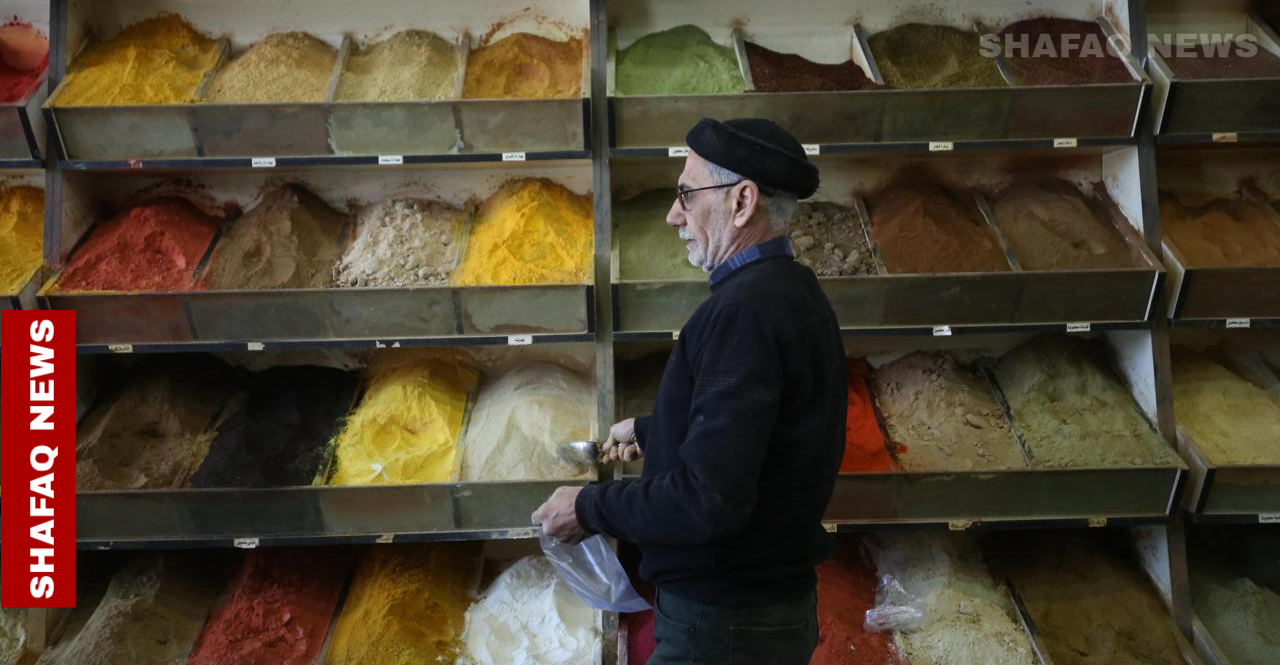
Abu Ali, a 52-year-old grocery store owner in the old city, noted
that sales have multiplied during the first days of Muharram. "This month
is unlike any other. The demand increases three to four times as processions
require constant supplies, and families buy more than usual to host
pilgrims," he told Shafaq News.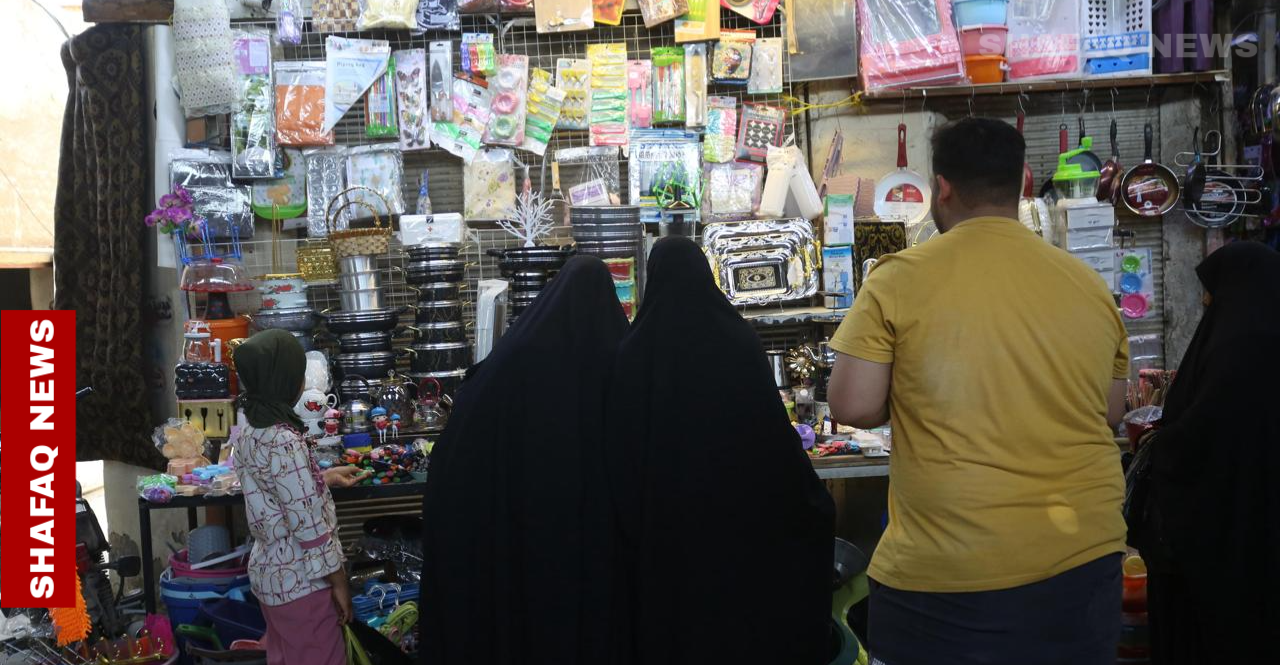
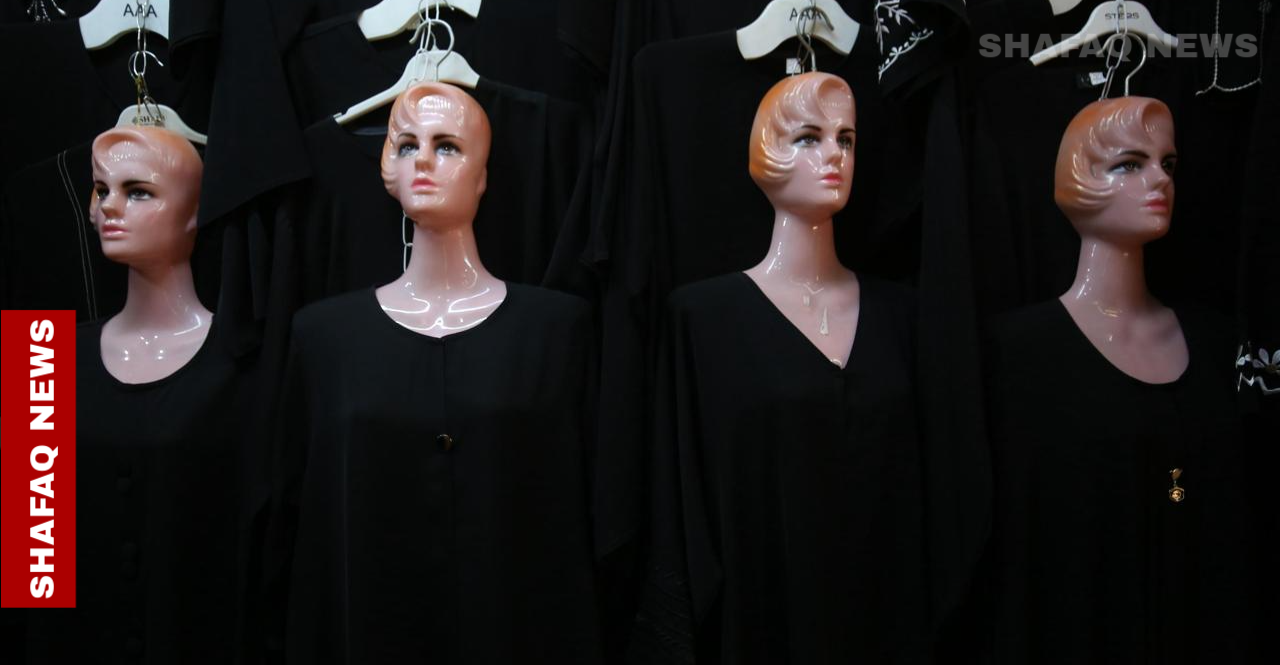
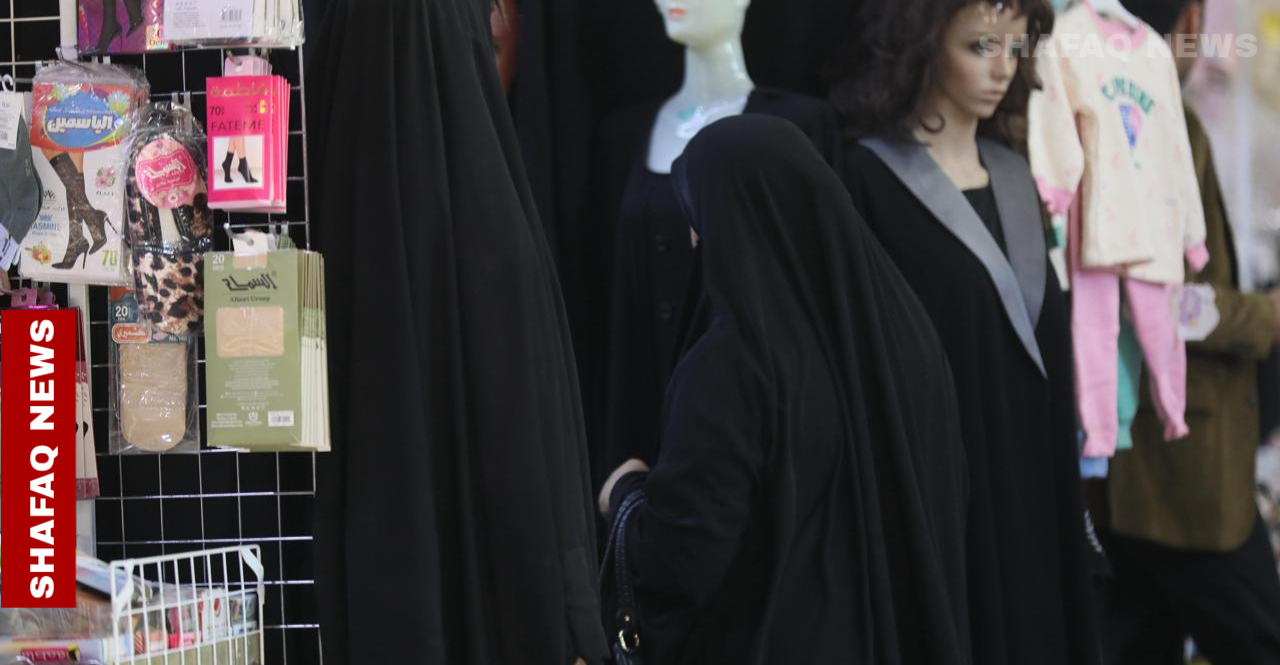
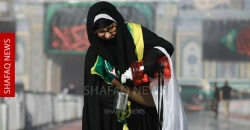
Many workers travel from other provinces to find temporary work in Karbala. Hussein, 33, from Al-Muthanna's capital, Al-Samawah, sets up a small stand every year to sell black garments near one of the major processions. "There are no jobs in my city. Every Muharram and Safar, I come here to work.”
Hussein shares a rented room with other seasonal workers and
sells items like black shirts, pants, and scarves from early morning until
midnight. "I support a family of five. Even if it’s a sidewalk stall, work
is work," he said, adding that he hopes to see economic development in
Al-Muthanna one day.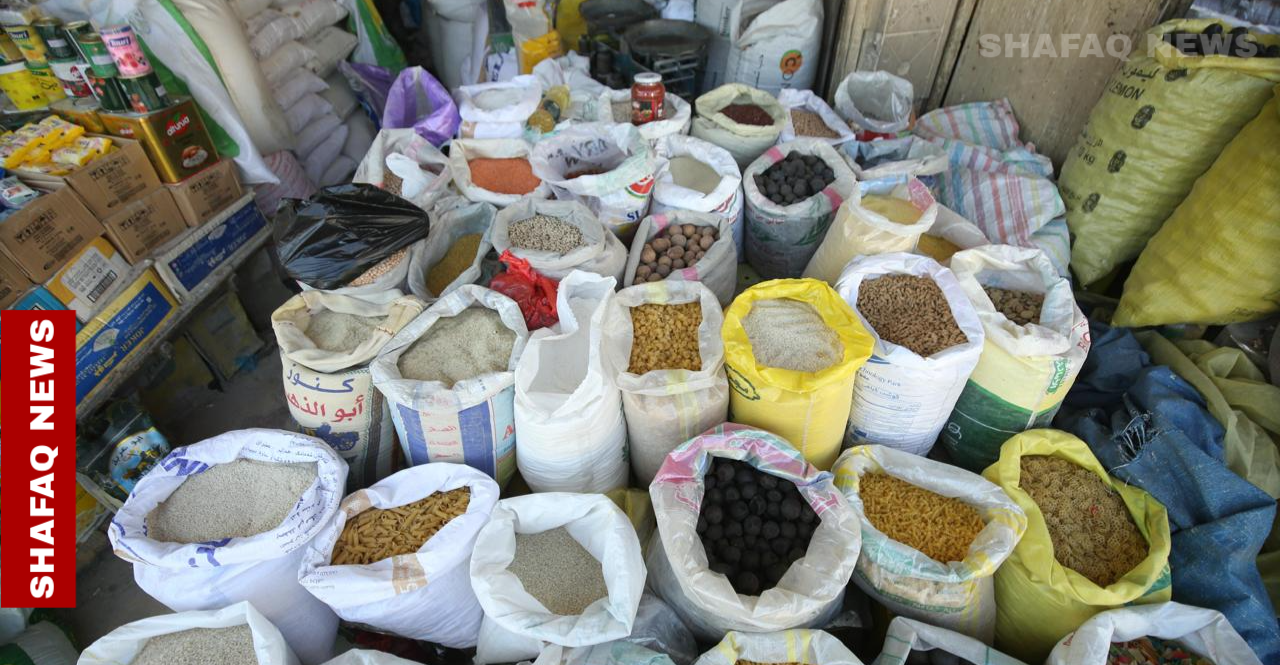
Economic experts say the religious season highlights both the potential of local commerce and the broader unemployment crisis in Iraq.
Economist Karim Al-Hilu noted, "During Muharram and Safar, demand for food surges, especially in the first ten days and around Arbaeen," when thousands of volunteers set up roadside kitchens along pilgrimage routes to serve free meals to the millions walking to the Shrine of Imam Hussein in Karbala.
He pointed out that Iraq graduates around 350,000 people annually, a number the public sector cannot absorb. "The state employs 35% of Iraqis, exceeding the global norm of 15%. The rest are expected to work in the private sector, but that sector remains underdeveloped."
To address unemployment, Al-Hilu urged the government to
develop vocational education centers and expand financial support for small
businesses. "We need strategic plans to revive the industrial and service
sectors and benefit from international development loans.”