Lesser Zab River shrinks, raising alarm among Iraqi farmers


Shafaq News – Kirkuk
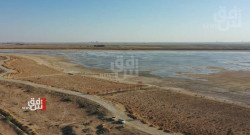
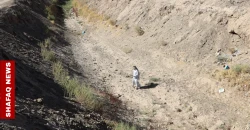
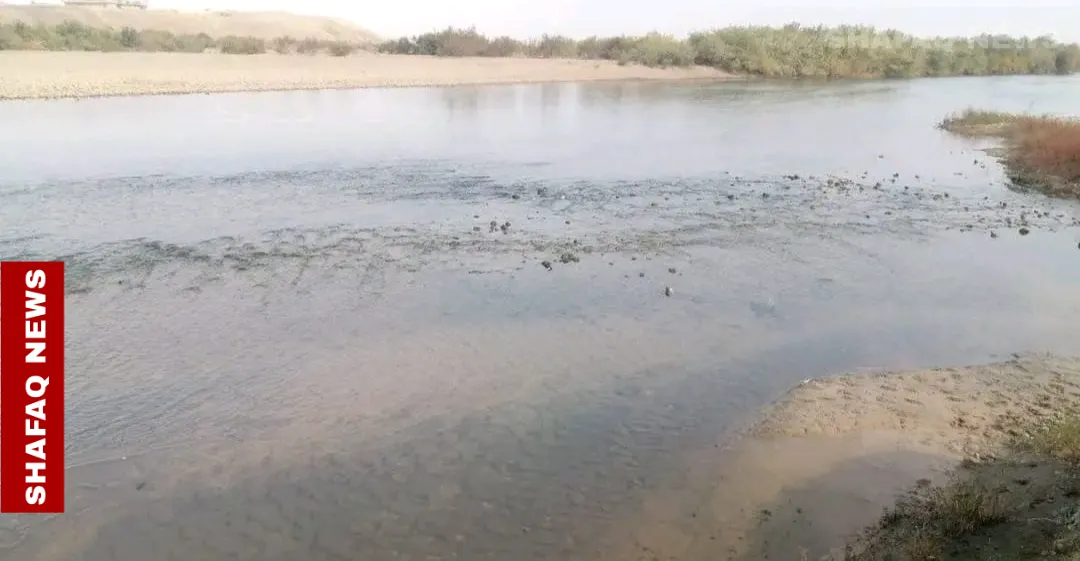
Water levels in the Lesser Zab River in Kirkuk have dropped sharply, triggering concern among farmers and residents along its banks over possible impacts on irrigation and drinking water supplies in the province’s southern and western districts.
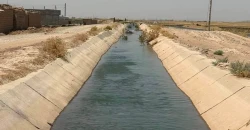
The river, one of the Tigris’ main tributaries, relies primarily on releases from the Dokan Dam in Iraqi Kurdistan’s al-Sulaymaniyah province. It sustains key agricultural areas and water projects in Hawija, Dibis, and the outskirts of Kirkuk.
Zaki Karim, head of Kirkuk’s Water Resources Directorate, told Shafaq News on Thursday that inflows from the dam have fallen to 15–20% of normal levels due to declining storage at Dokan. “The current flow barely meets the needs of irrigation projects and the Hawija unified water system,” he said, attributing the drop to low rainfall and a delayed wet season.
Karim said his department is coordinating daily with the Water Resources Ministry to maintain supplies for essential projects, prioritizing drinking water and irrigation in the most affected areas.
Water expert Hazem Abdullah described the situation as part of Iraq’s broader water crisis, worsened by climate change, poor rainfall, and reduced dam releases both domestically and from neighboring countries. “If this decline continues, it could lead to soil salinity and a sharp drop in crop yields,” he warned, calling for an emergency water management plan to regulate distribution and curb illegal diversions.
The Lesser Zab irrigates thousands of hectares of farmland and provides drinking water for dozens of villages across Kirkuk. Any sustained decline in its flow, experts say, threatens the province’s agricultural stability and rural livelihoods.
Dokan Dam, built in 1959 with a storage capacity of 6.8 billion cubic meters, is one of Iraq’s oldest and most vital water reservoirs, supplying irrigation, hydropower, and flood control across al-Sulaymaniyah, Erbil, and Kirkuk.