Inside Kirkuk’s dialysis centers: Life and struggles of kidney patients


Shafaq News- Kirkuk
Rifaa Ahmed Ibrahim spent the last six years receiving dialysis treatment at Al-Amal Kidney Center in Kirkuk, attending three four-hour sessions each week.
The center’s medical staff inserted needles into her arteriovenous fistula to circulate her blood through the dialysis machine, which filtered toxins and waste her kidneys could no longer remove. Despite the treatment, she passed away.
Her daughter and companion, Asma Hussein, told Shafaq News that her mother faithfully attended sessions on Saturdays, Mondays, and Wednesdays under the supervision of the Kirkuk Health Directorate, “but the treatment ultimately could not prevent her death.” The mother’s care was shared among her siblings, who took turns accompanying her and monitoring her condition, she added, expressing that “our mother was everything in our lives. She was not just a patient but a source of strength and support.” Her loss leaves a significant void after years of daily care and treatment.
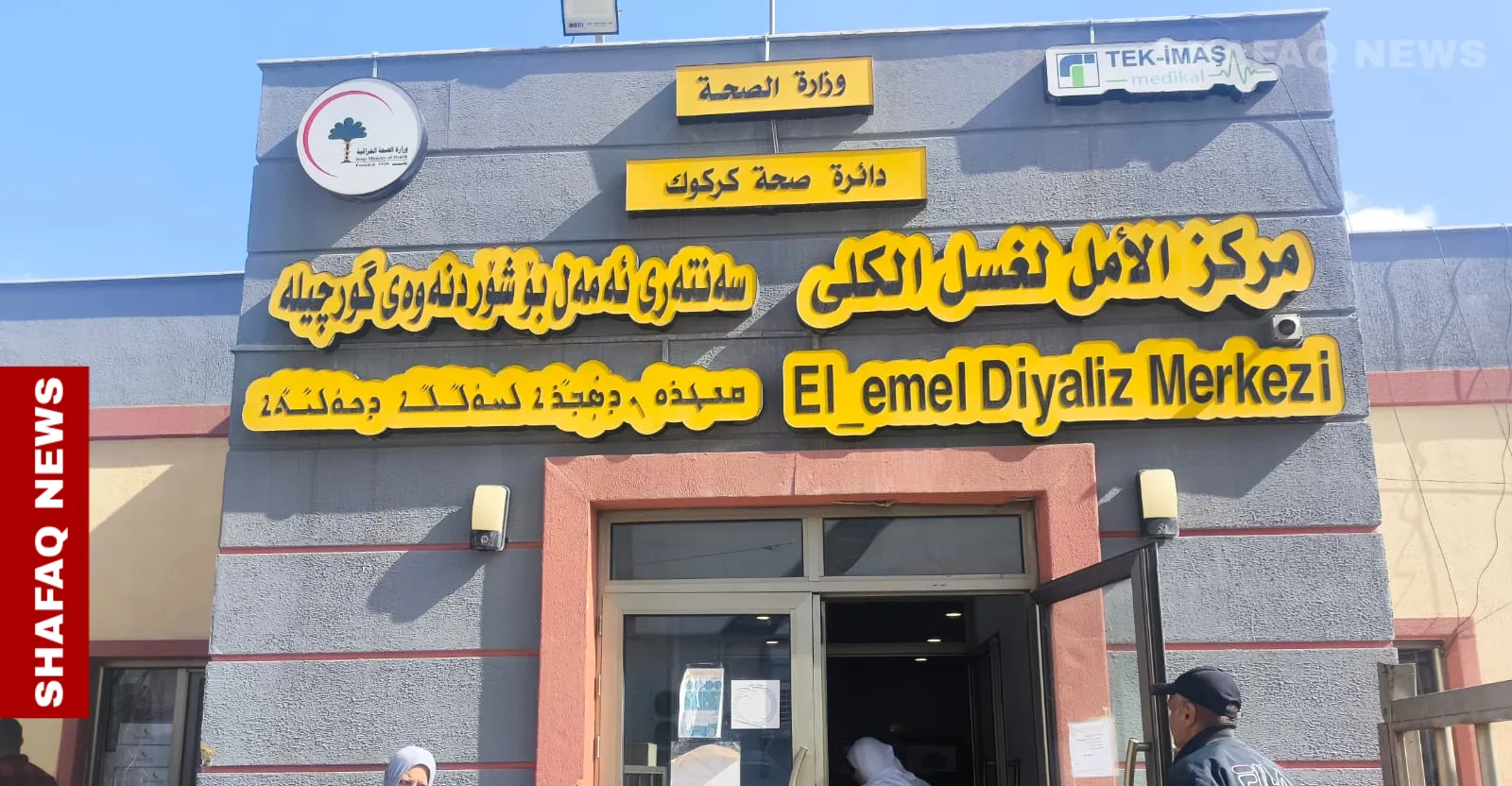
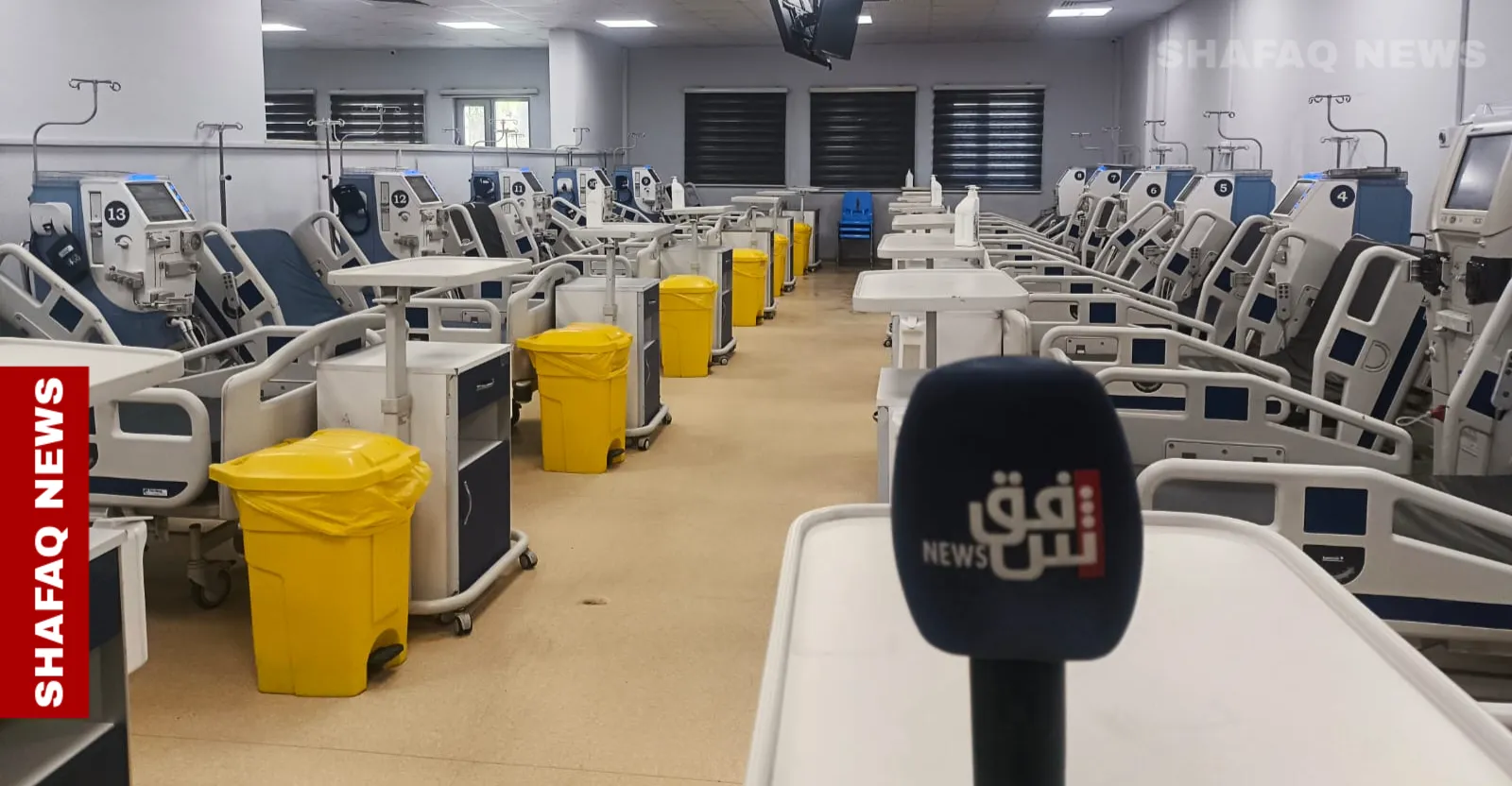
Al-Amal Kidney Center’s deputy director, Mahdi Mahmoud Mardan, told Shafaq News that the facility provides vital services for patients with kidney disease and renal failure, noting that causes of kidney failure include genetic factors, severe bleeding, chronic conditions such as high blood pressure and diabetes, and overuse of some medications and painkillers.
Read more: Unmet promises of Iraq’s Mental Health Law
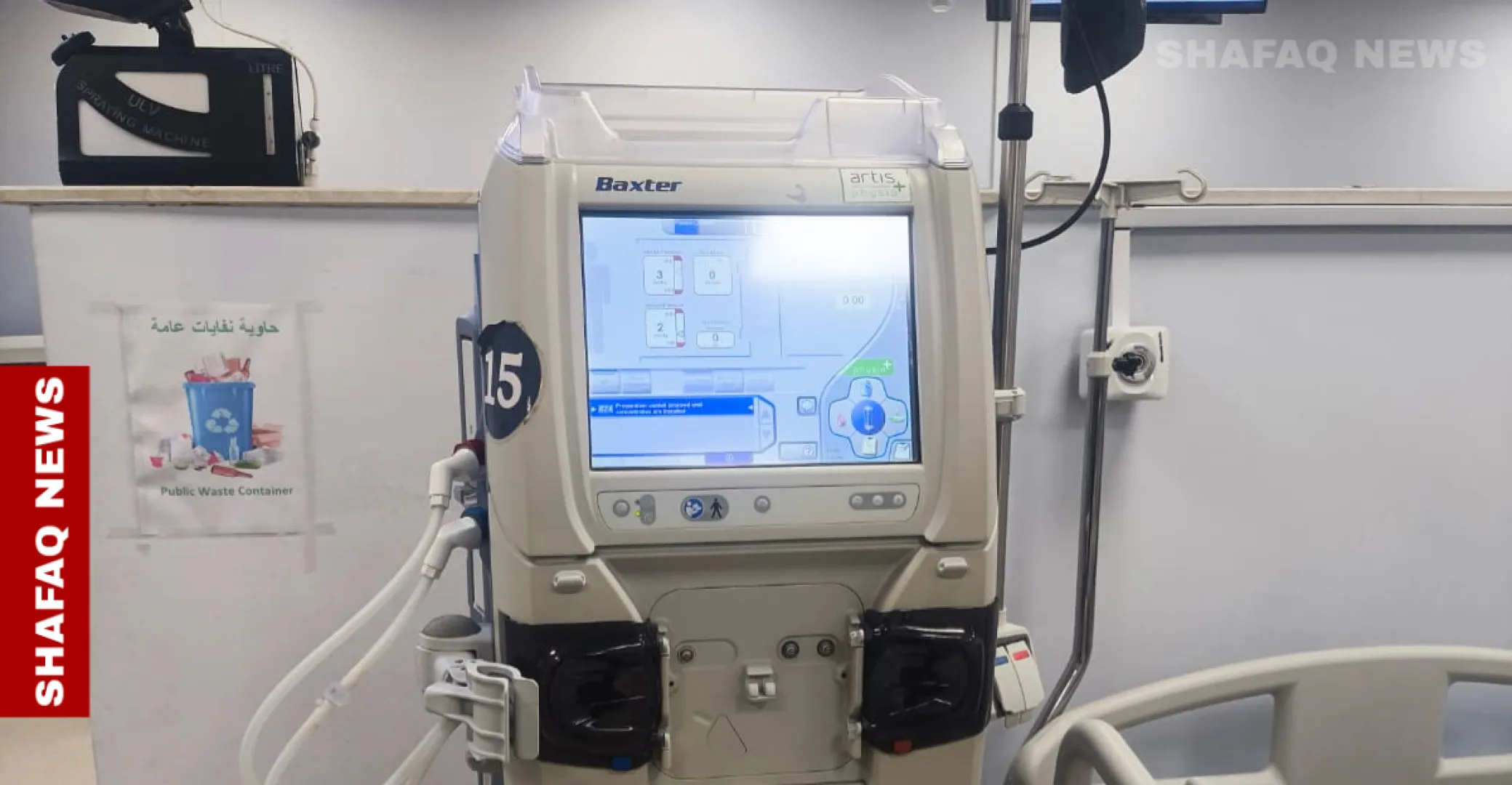
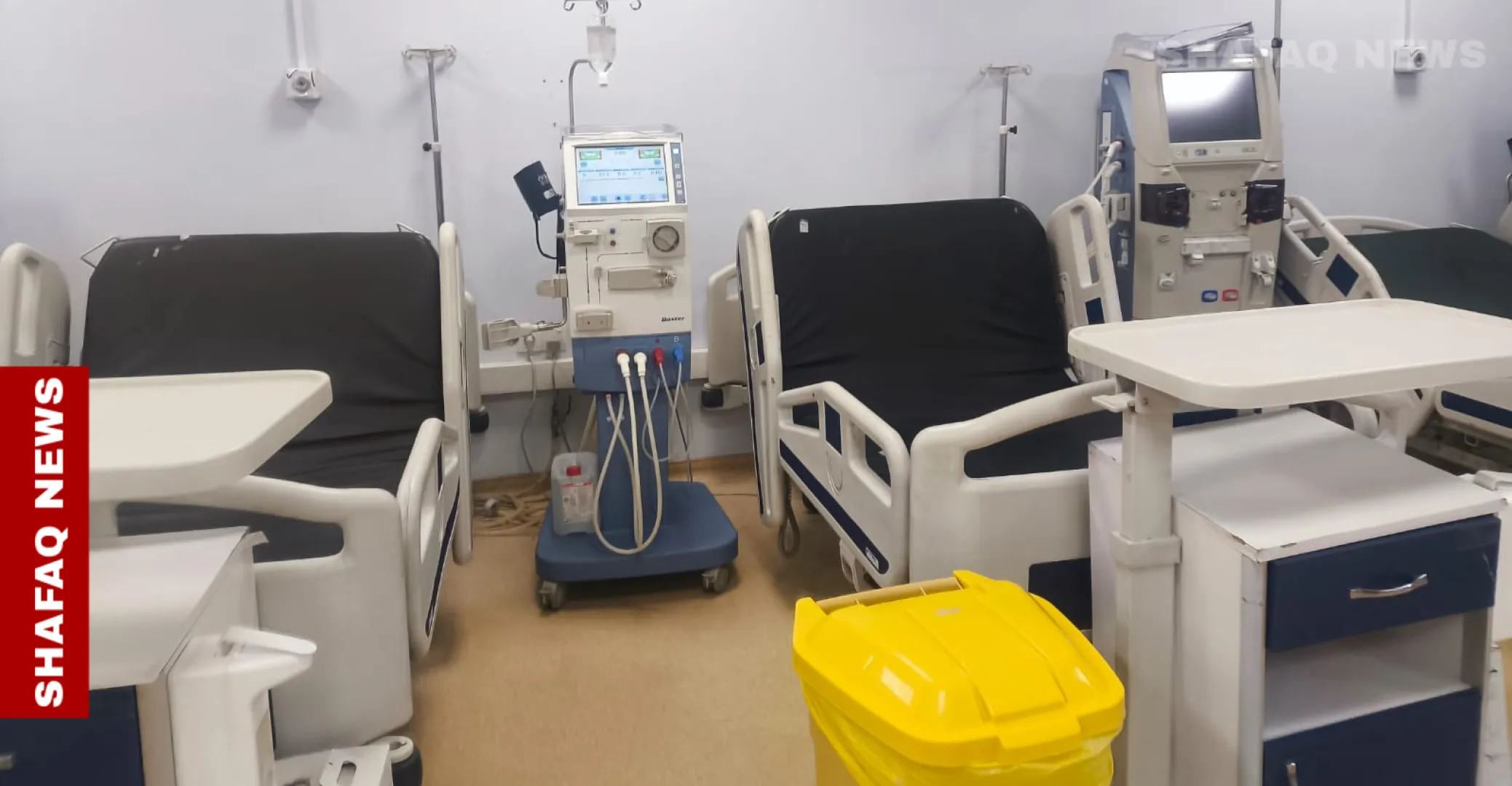
Mardan said the center currently serves 463 registered patients around the clock. “Operations officially begin at 7:30 a.m., with machines running and patients received from 8:00 a.m,” he stated, clarifying that the facility has 63 dialysis machines, fewer than half of the 150 needed to meet growing demand. Last year, the center performed more than 61,000 dialysis sessions.
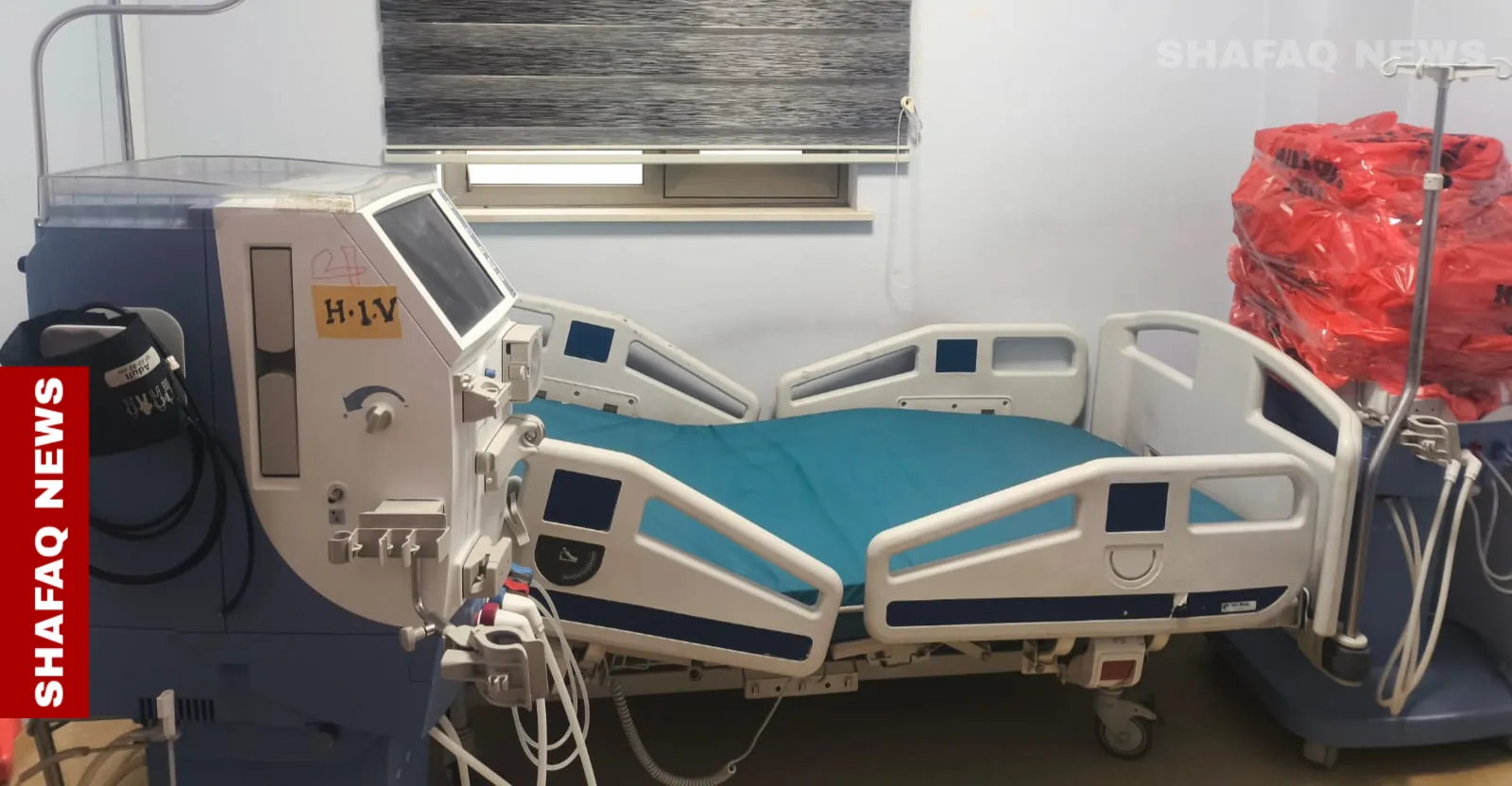
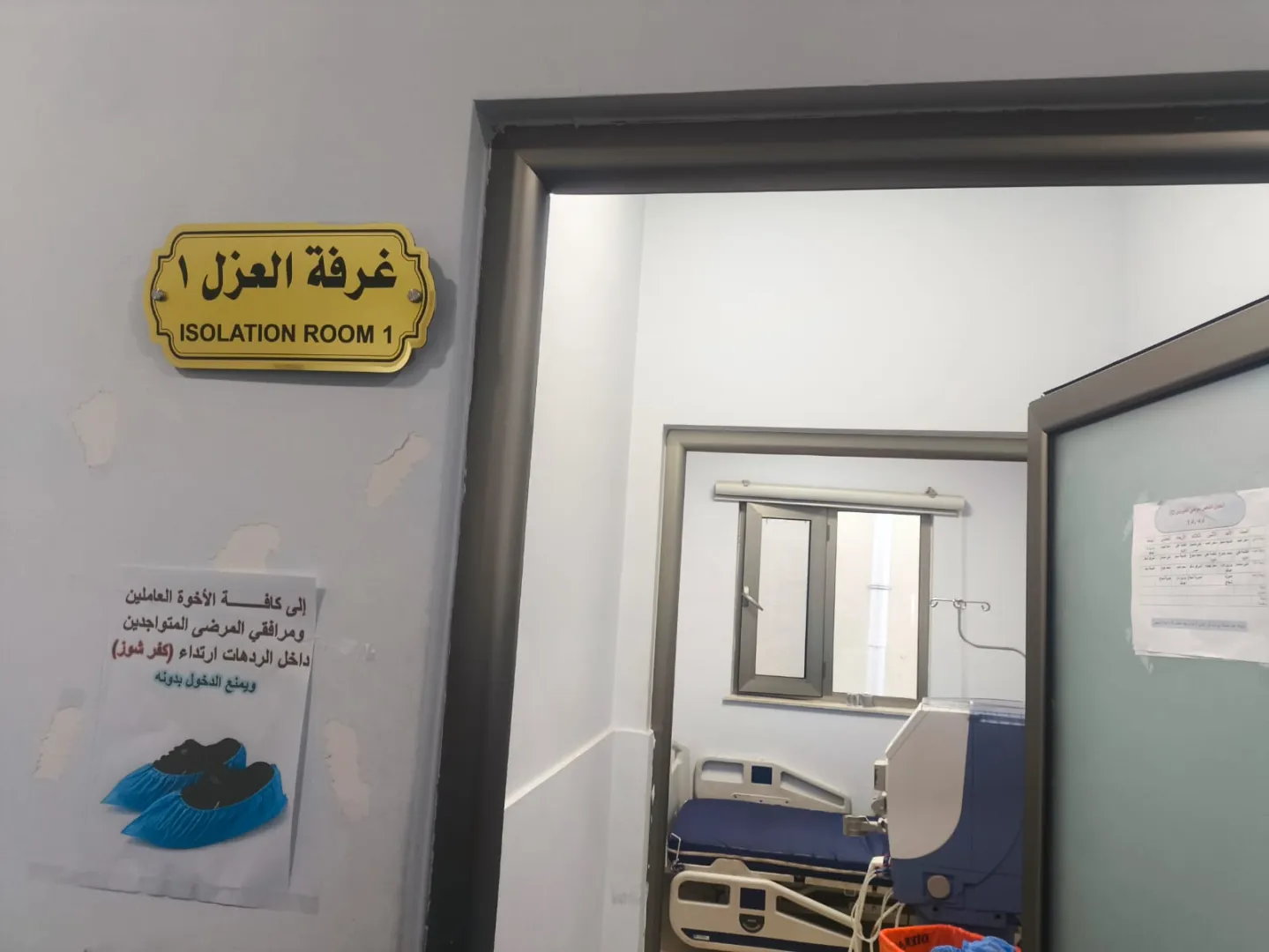
The center includes a dedicated isolation unit, currently treating one patient with HIV, to protect other patients, Mardan noted, reporting about 45 deaths last year. “Some patients stopped attending treatment either due to improvement in their condition or other reasons.”
International studies reflect similar trends. Researchers from New York University Medical Center estimate that the number of adults with chronic kidney disease worldwide has nearly doubled since 1990 to around 788 million, making it the ninth leading cause of death globally.
Professor Josef Coresh said chronic kidney disease is a widespread and growing health threat, noting that approximately 14% of adults globally are affected and that annual deaths related to kidney disease have risen to 1.5 million.
Speaking to Shafaq News, local nephrologist Saadoun Abbas affirmed that the global increase mirrors the situation in Iraq. He identified the rapid spread of diabetes, obesity, and high blood pressure as primary drivers, emphasizing that early diagnosis, regular monitoring, adherence to treatment, and healthy lifestyles can significantly slow disease progression. He also highlighted the need for public awareness programs to prevent kidney disease.
Read more: Diabetes in Iraq: A mounting public-health crisis as the country marks World Diabetes Day