High temperatures dry up Kirkuk’s rain-harvest dams


Shafaq News – Kirkuk
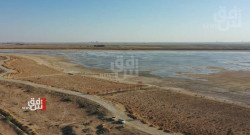
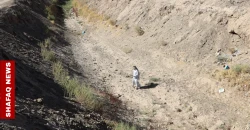
Relentless summer heat has completely dried up the Balkana and Qader Karam dams in Kirkuk, with two other key reservoirs—Shereen and Khasa Chay—facing critical shortages, a local government official told Shafaq News on Sunday.
Temperatures in July and August exceeded 50°C, causing the evaporation of Balkana Dam’s remaining reserves—about one-quarter of its one-million-cubic-meter design capacity—for the first time since it was built. The dam, intended to store seasonal rainfall, now stands empty.
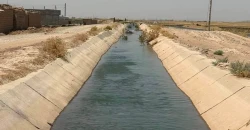
Qader Karam Dam, another rain-fed reservoir that supports local agriculture, has also run dry. Farmland that relied on its water for summer crop irrigation has suffered severe damage, the official said.
Kirkuk’s three main rain-harvesting dams—Balkana, Shereen, and Khasa Chay—are all under strain. Shereen Dam has less than 25% of its original capacity, while Khasa Chay, despite its large design volume of 82 million cubic meters, holds under one-quarter of its potential storage. Officials warn that without significant rainfall next season, the situation will deteriorate further.
Water resources expert Saad Abdullah told Shafaq News that these dams were designed as strategic reserves for agriculture and rural drinking water. However, declining rainfall and shifting climate patterns have left them increasingly vulnerable to rapid depletion, worsened by unprecedented evaporation rates. He urged both local and federal authorities to invest in desalination, expand storage projects, and adopt modern irrigation systems to limit water loss.
Farmers are already feeling the impact. Mohammed Khurshid, from the Balkana area, said agriculture in the region depends almost entirely on the dam. “Its drying up this year will severely affect crop yields and could cause devastating financial losses for farmers,” he warned.
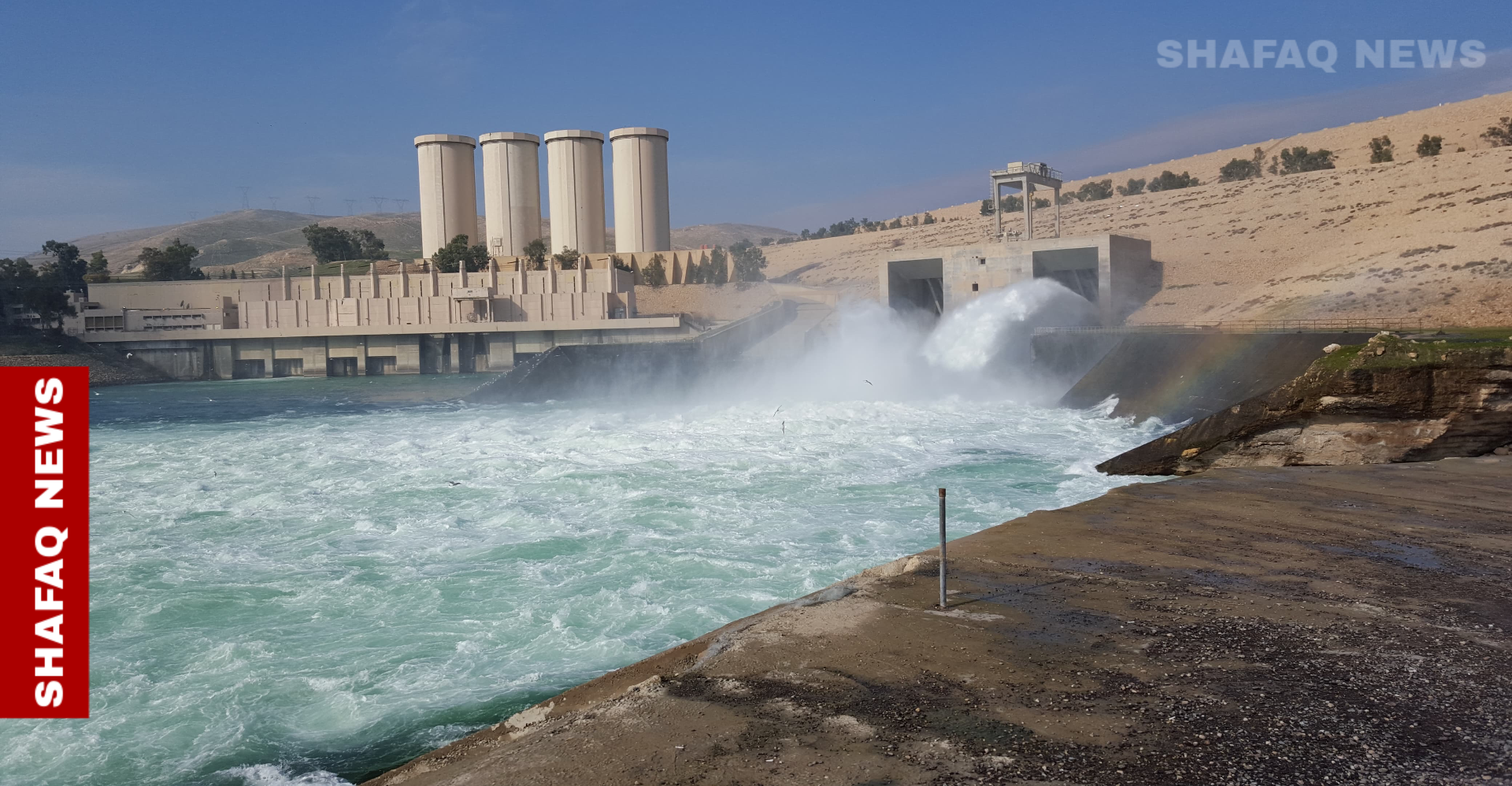
Iraq has endured intensifying heatwaves in recent years, with several cities this summer recording temperatures above 50°C. The crisis has been compounded by a sharp drop in Tigris and Euphrates inflows, largely due to upstream policies in neighboring countries. The Ministry of Water Resources has described the situation as an existential threat, citing climate change, shrinking rainfall, and record-high evaporation as factors putting the country’s food and water security for millions at risk.