Baghdad forum spotlights Yazidi heritage and rebuilding needs


Shafaq News- Baghdad
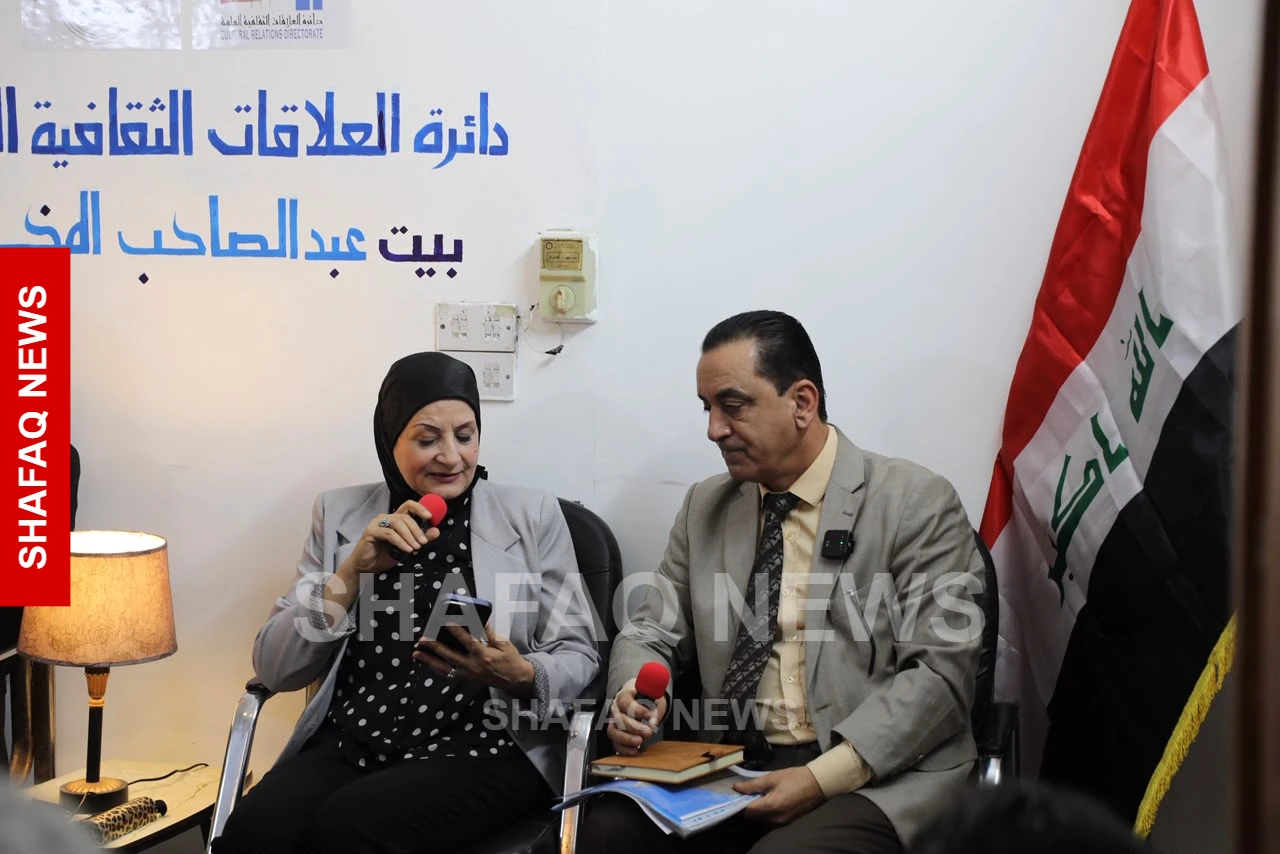
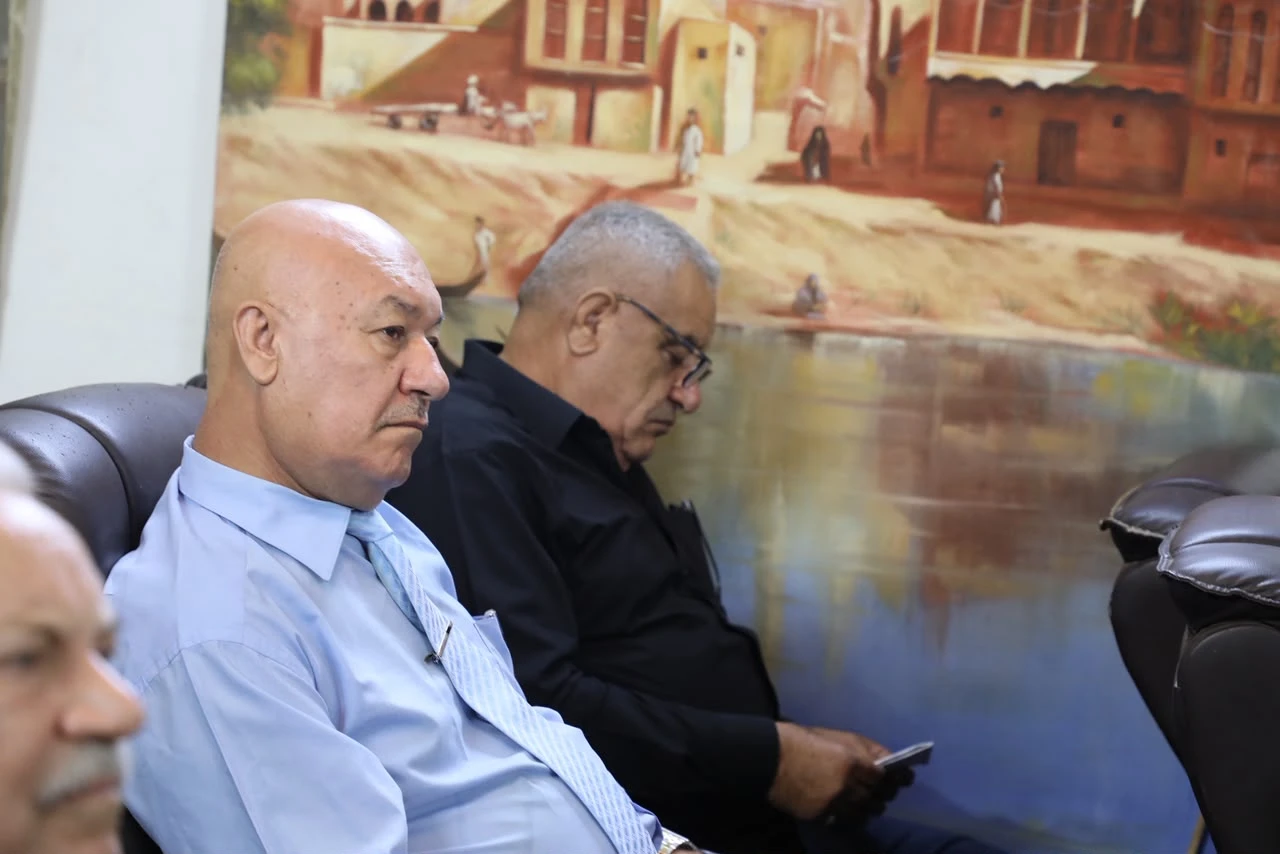
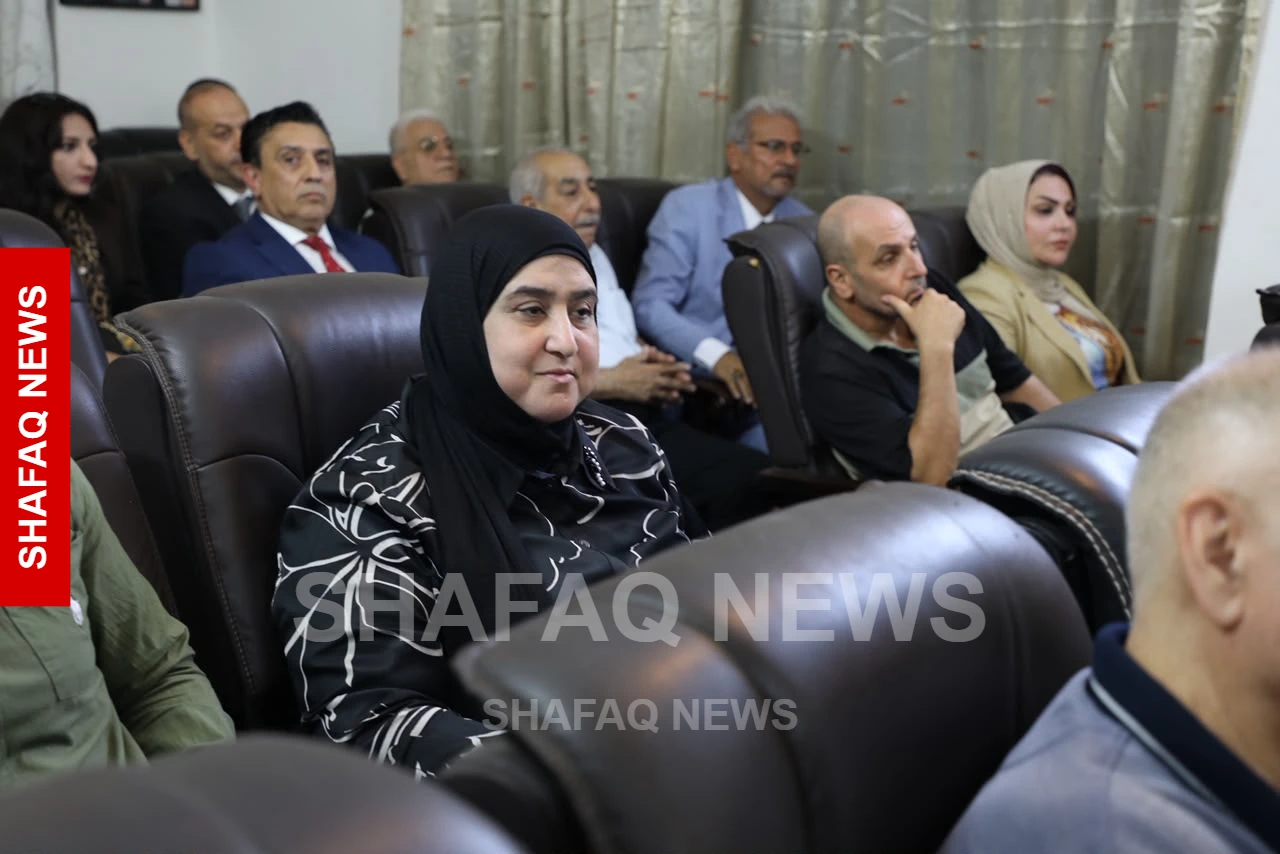
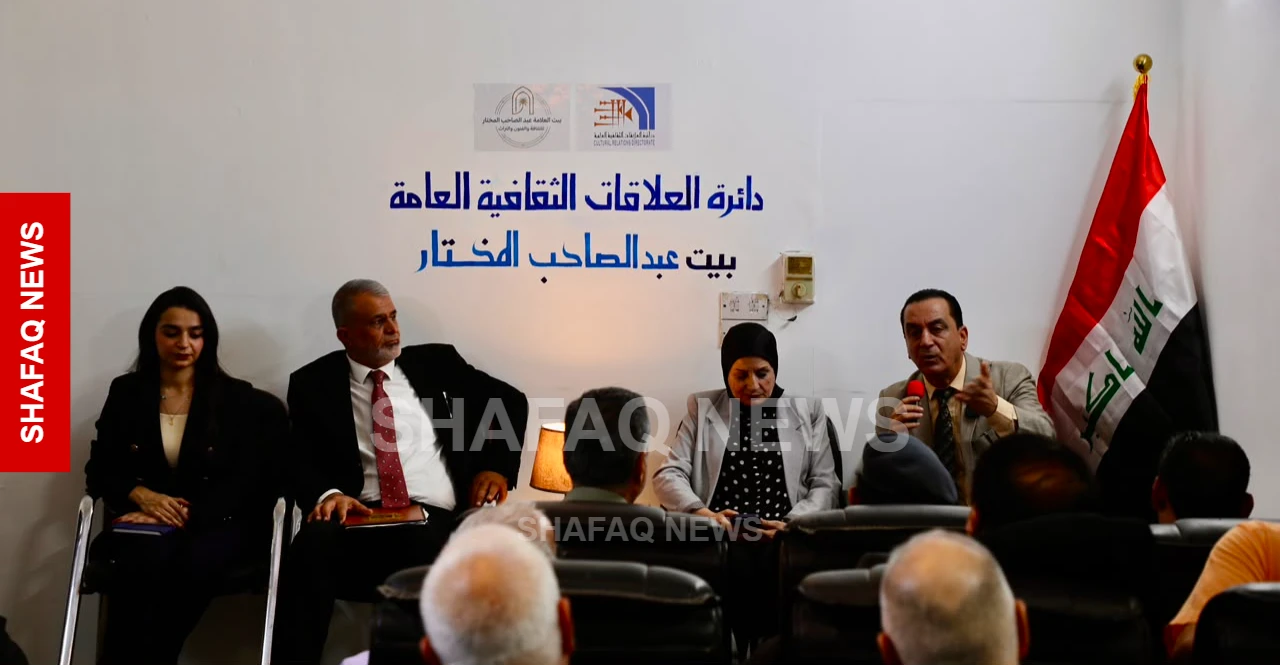
An Iraqi cultural forum on Wednesday brought researchers together to examine Yazidi history and heritage, as the community continues efforts to rebuild and return home more than a decade after the ISIS attacks, with security, basic services, reconstruction and political commitment remaining key to that process.
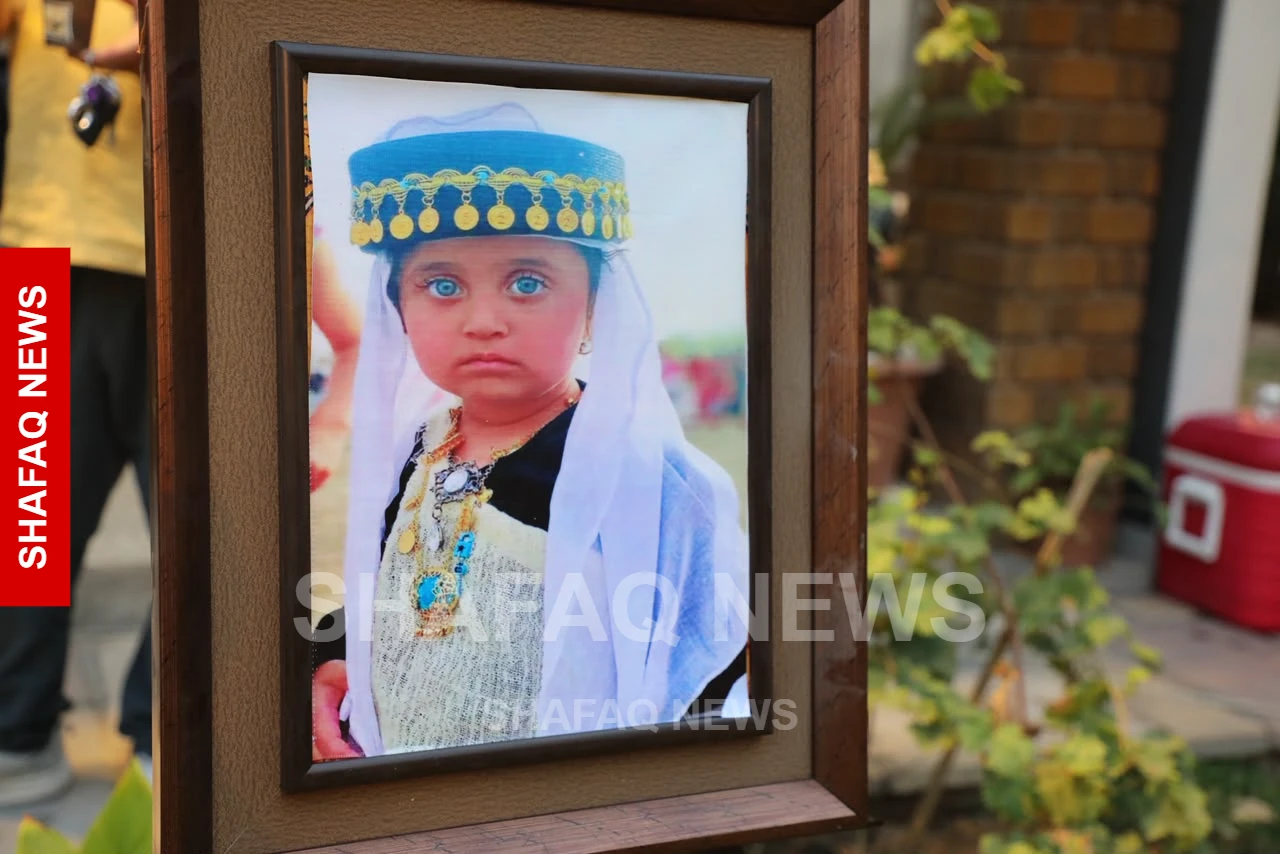
The session, organized by the General Department of Cultural Relations at Iraq's Ministry of Culture at the Abdul Sahib al-Mukhtar Cultural Center, coincided with the annual commemoration of the Yazidi genocide in August.
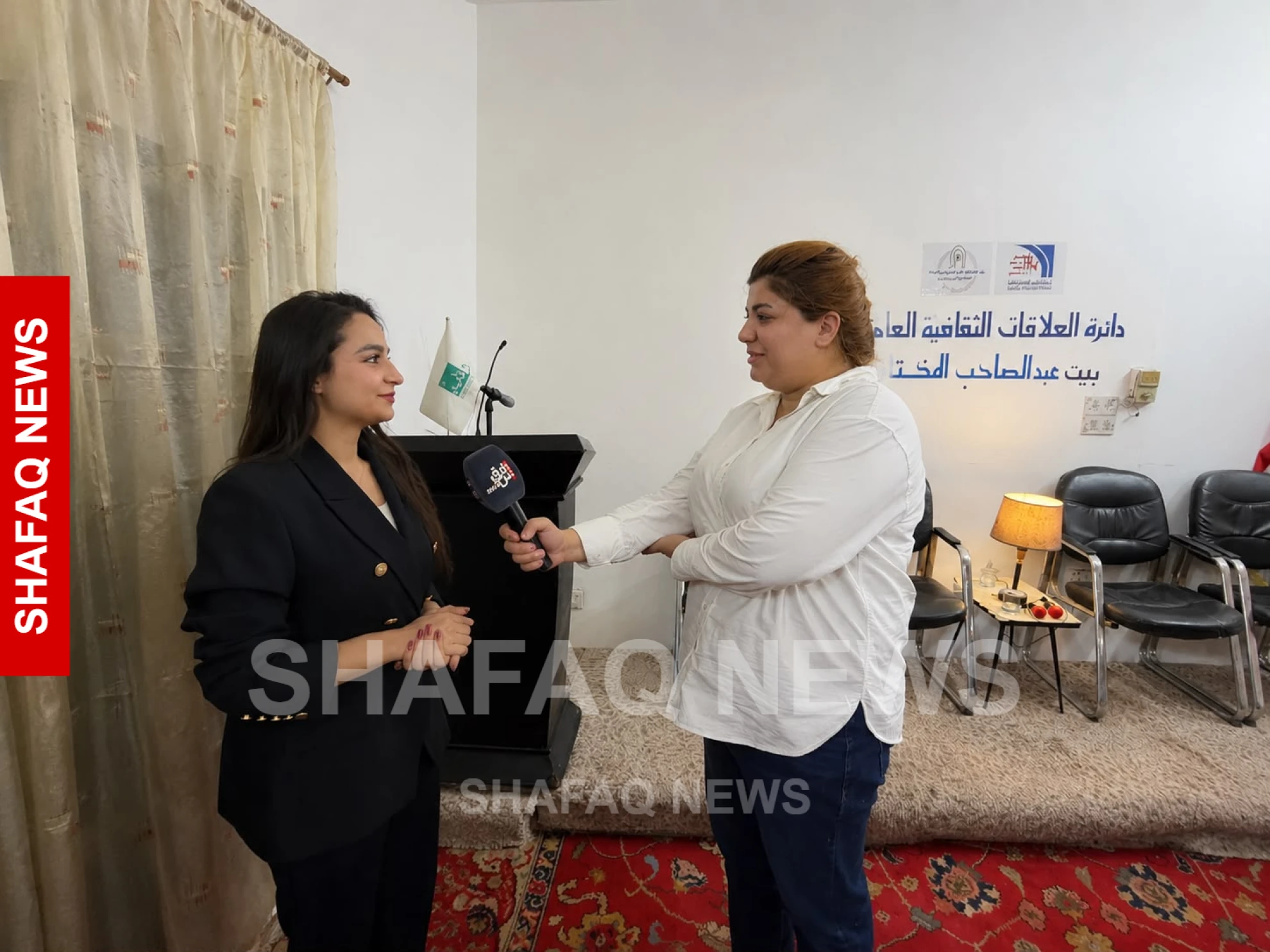
Political researcher Shireen al-Jaf told Shafaq News that the discussion focused on policies the state could adopt to protect Yazidi heritage and facilitate the return of community members.
“The real Iraq is one in which a person can have more than one circle of belonging without one threatening another,” she added, noting that Yazidi or Kurdish identity did not conflict with Iraqi citizenship and that different forms of identity could exist within a common framework of citizenship.
Al-Jaf also addressed the Yazidi community's political representation, stressing that representation alone was not enough without the political will to produce tangible change.
“Sinjar is waiting for someone to revive it, and Nineveh is
waiting for someone to revive it,” she maintained.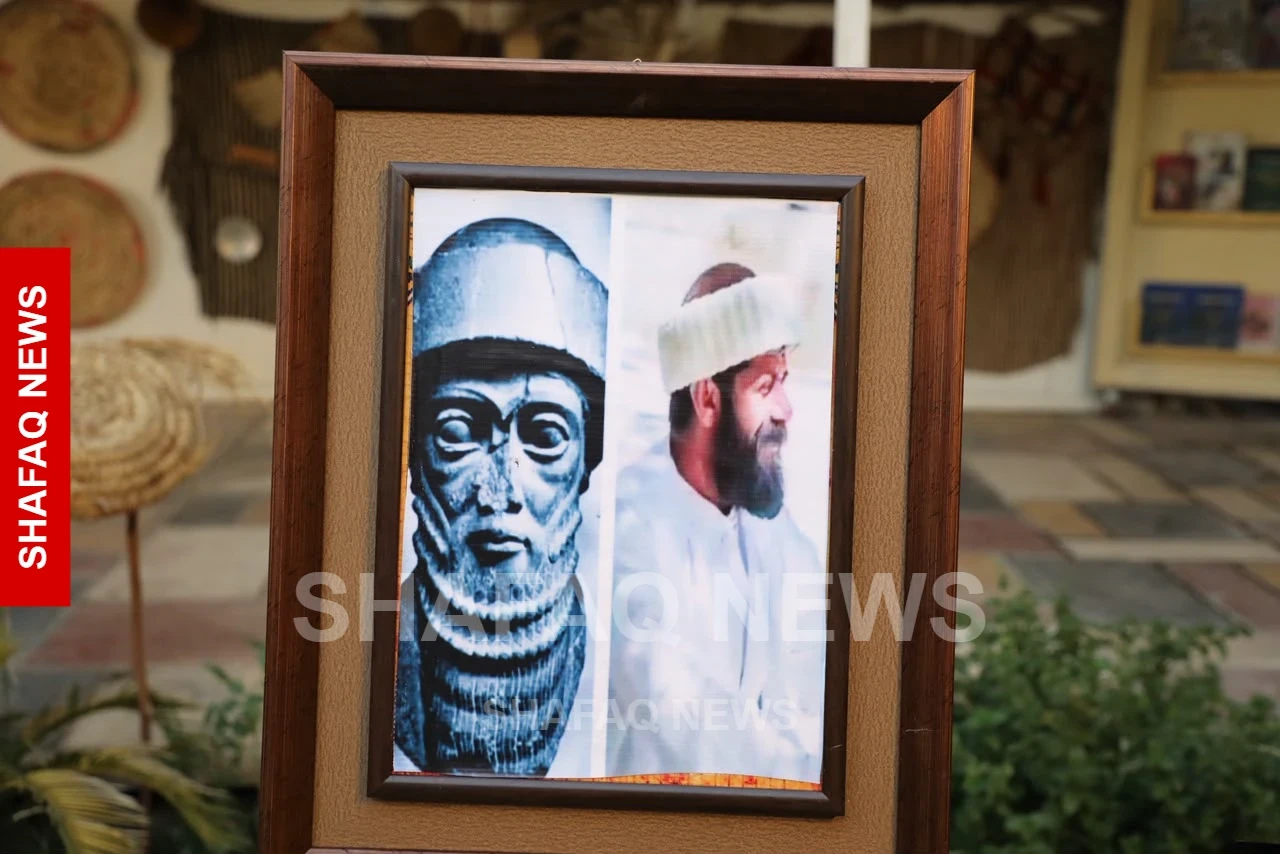
Yazidi affairs researcher Khaldoun Salem Elias described the session as an examination of the community's social, political and cultural heritage, as well as the impact of the genocide on Yazidi society.
Such events could help Iraqis learn more about the country's diverse communities, Elias told Shafaq News. Some participants were introduced to aspects of Yazidi heritage that had previously been unfamiliar to them, including the design and construction of Yazidi temples and the number of victims of crimes committed by ISIS.
Calling for continued cultural events showcasing Iraq's different communities and their heritage, he argued that they could broaden public understanding of the country's diversity and foster greater awareness among its various groups.
Hassoun Abboud, a lecturer at the University of Iraq's College of Arts, explained that the session sought to introduce the Yazidi community, its heritage, customs and traditions while commemorating the genocide that began on Aug. 3, 2014.
“There is ignorance, or a lack of awareness, among the majority of Iraqis about the Yazidi community,” Abboud observed, pointing to confusion among some Iraqis between Yazidis and the Mandaean community.
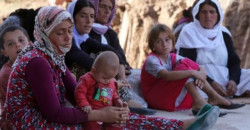
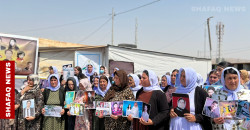
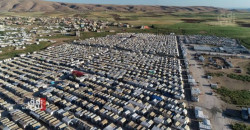
ISIS swept into Sinjar in August 2014, killing and abducting an estimated 12,000 Yazidis —atrocities that have since been recognized internationally as genocide.
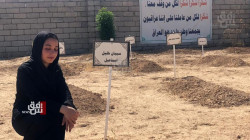
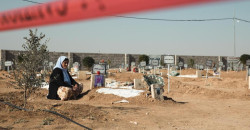
Kurdish Peshmerga forces retook the city in 2015. Two years later, the Iraqi army, backed by the Popular Mobilization Forces (PMF), took control of the area. By early August 2025, Iraq's Mass Graves Directorate had exhumed 68 of the 162 known burial sites in the district, confirming 293 identities, while more than 450 sets of remains remained unidentified. Nearly 2,900 Yazidis were still listed as missing.
Read more: The long shadow of Sinjar: Twelve years afterthe ISIS genocide