Israeli incursions threaten olive harvest in Syria's Quneitra


Shafaq News- Quneitra
Despite an improved olive season in Syria's Quneitra province in 2026, farmers in areas near the buffer zone are facing losses to their land and crops, as well as difficulties accessing their fields and harvesting olives due to Israeli incursions threatening their livelihoods.
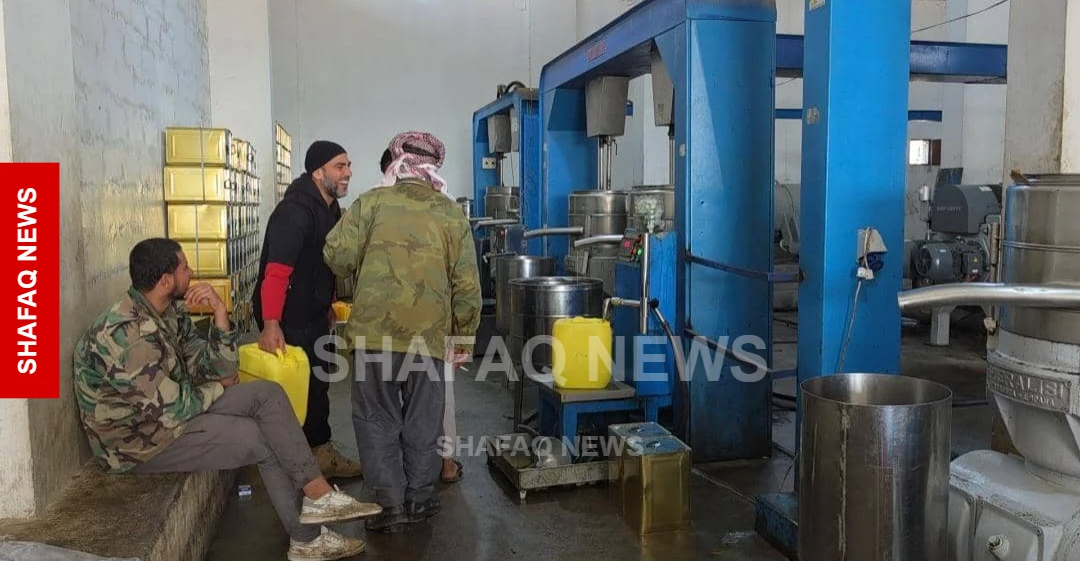
Khitam Al-Samiya, head of specialized offices at the Quneitra Agriculture Directorate, told Shafaq News that olive cultivation covered approximately 6,815 hectares across the province this year, with 1,074,000 trees, including 725,000 productive ones.
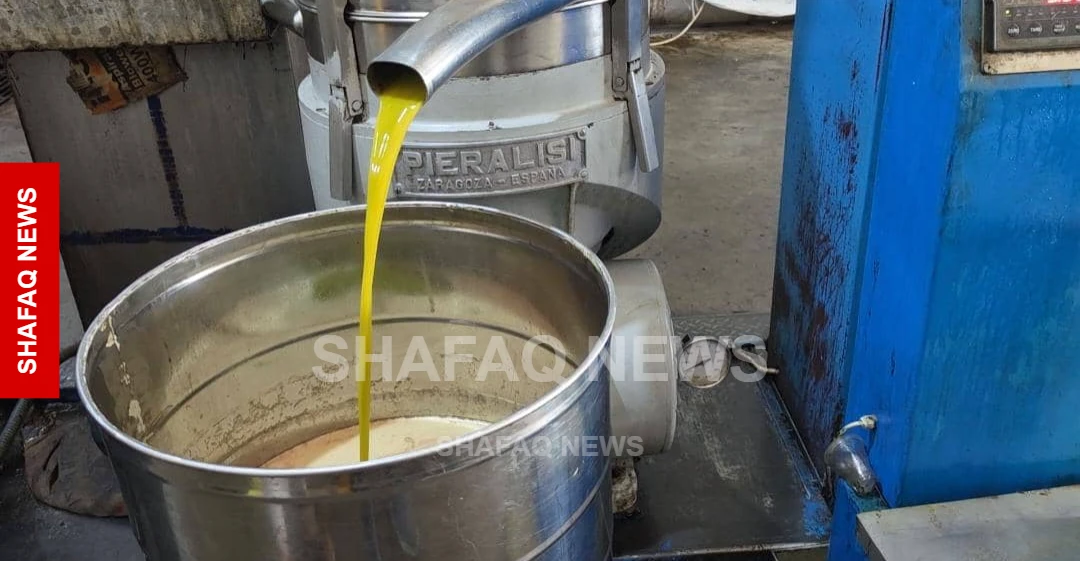
Al-Samiya estimated the expected olive harvest at around 12,925 tons, with olive oil production projected to reach approximately 2,068 tons. She attributed the improvement compared with previous years to the distribution of rainfall and moderate temperatures during the flowering and fruit-setting stages, which positively affected the overall condition of the trees and their productivity.
However, the improved season has not benefited all farmers, particularly those in areas adjacent to the buffer zone. According to farmers' accounts, Israeli incursions have damaged agricultural land and trees while imposing restrictions that prevent them from accessing and cultivating their fields.
Hassan Saad al-Din Ahmad, a farmer from the Quneitra countryside, told Shafaq News that Israeli forces had seized his 11-dunum plot in Jaba al-Khashab, where olive trees approximately 27 years old were bulldozed along the Soufa line. The trees had been a primary source of income for his family.
Ahmad added that agricultural land in the area had also suffered damage from pesticide spraying and repeated attacks. Bringing workers to fields near the buffer zone has become increasingly difficult, he said, as many fear Israeli incursions and possible detention.
The cost of harvesting one kilogram of olives has risen from around 1,800 to 2,500 Syrian pounds (approximately 17 cents), Ahmad explained, as some workers have stopped taking jobs in border areas. The increase has added to production costs and the financial burden on affected farmers.
His losses extend beyond his land and olive trees. Ahmad said he had lost much of his capital, agricultural projects, and property, including livestock that had contributed to his income. He had spent the period between 2016 and 2024 developing his project and expanding his agricultural investments.
The farmer also criticized the distribution of aid and compensation, arguing that the process had failed to account for differences in the scale of losses, particularly between those who had completely lost their land, property, and livelihoods and those who had suffered more limited damage.
“The compensation I received, approximately 13 million Syrian pounds (around $867), was insufficient to reflect the scale of his losses or restore his agricultural activities,” he said, calling for compensation assessments based on the actual damage suffered by each farmer.
These difficulties coincide with repeated Israeli military movements across the Quneitra countryside this November. Shafaq News correspondents documented incursions into several villages, including Jaba al-Khashab, Taranja, Al-Asbah, Samdaniya, and Kuwaya. The operations reportedly involved temporary checkpoints, gunfire, shelling, searches of passersby, and raids on homes and public facilities.
The military movements also included the deployment of vehicles and excavation and bulldozing work around Saida al-Hanout as part of the Soufa 53 pipeline project. The activities have restricted civilian movement and access to agricultural land, with reports of residents being detained in areas near the incursion lines.
Interviewed by Shafaq News, farmer Kamel Zaghloul, also from the Quneitra countryside, said some landowners had been unable to harvest their olives this season, while others had to reduce the number of workers or postpone harvesting because of security conditions.
These difficulties have increased agricultural labor costs, reduced returns, and raised concerns among farmers about their ability to continue cultivating their land, even during seasons when production improves, he noted.