Ramadan corner gains popularity in Iraq’s Baghdad



Shafaq News- Baghdad
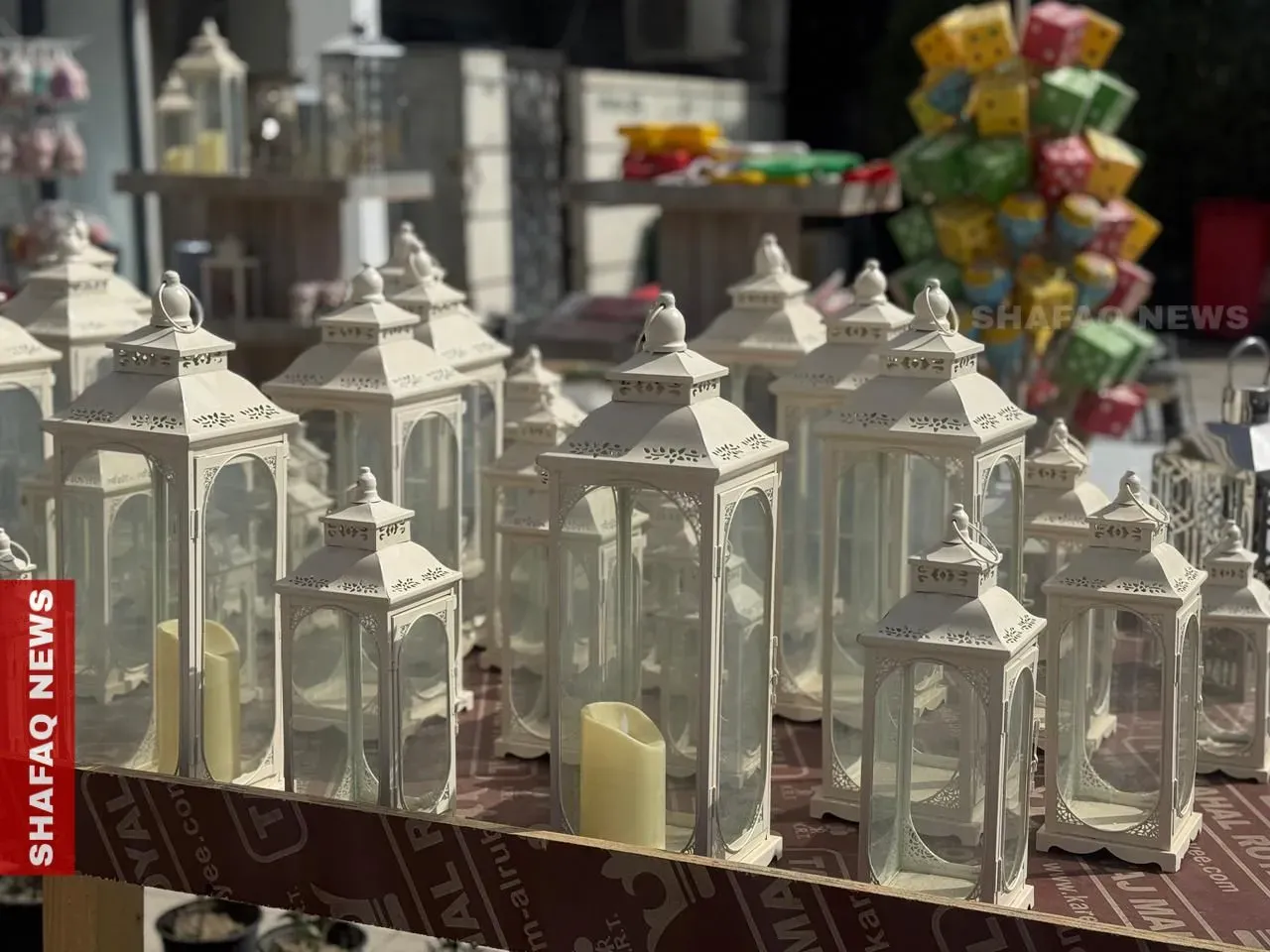
During the holy month of Ramadan, many Iraqi homes feature a designated decorative space known as the Ramadan corner, where lanterns, crescent moons, stars, candles, and other ornaments are arranged as part of a symbolic and artistic display to welcome the month.
The custom has become a prominent
feature in Iraqi households, particularly in Baghdad, where homes transform
into symbolic settings reflecting the festive atmosphere of Ramadan, a trend
further amplified by social media and festive displays in shopping centers,
clubs, and other public venues.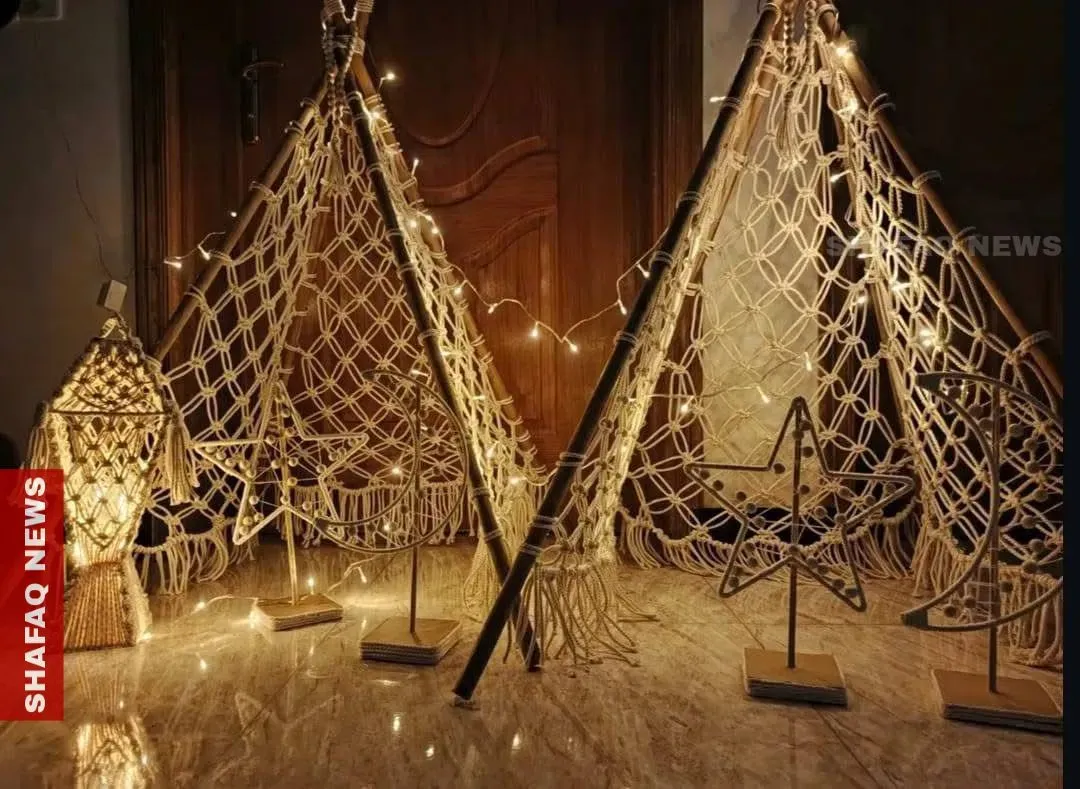
Interior designer Mohsen Abbas told Shafaq News that the Ramadan corner has become “a central element in homes during the holy month,” noting that the trend was partly shaped by globalization, which introduced new customs while gradually reshaping older social practices. Similar decorative customs are common across several Arab and Islamic countries.
Meanwhile, folkloric researcher Ali
Ward argued that decorating homes with lanterns and crescent symbols represents
an authentic Iraqi tradition dating back to the pre-royal era (AD 1921).
Speaking to Shafaq News, Ward explained that the lantern, a key feature of the
Ramadan corner, symbolizes earlier decades when families broke their fast and
ate suhoor under lantern light during periods of limited or absent electricity.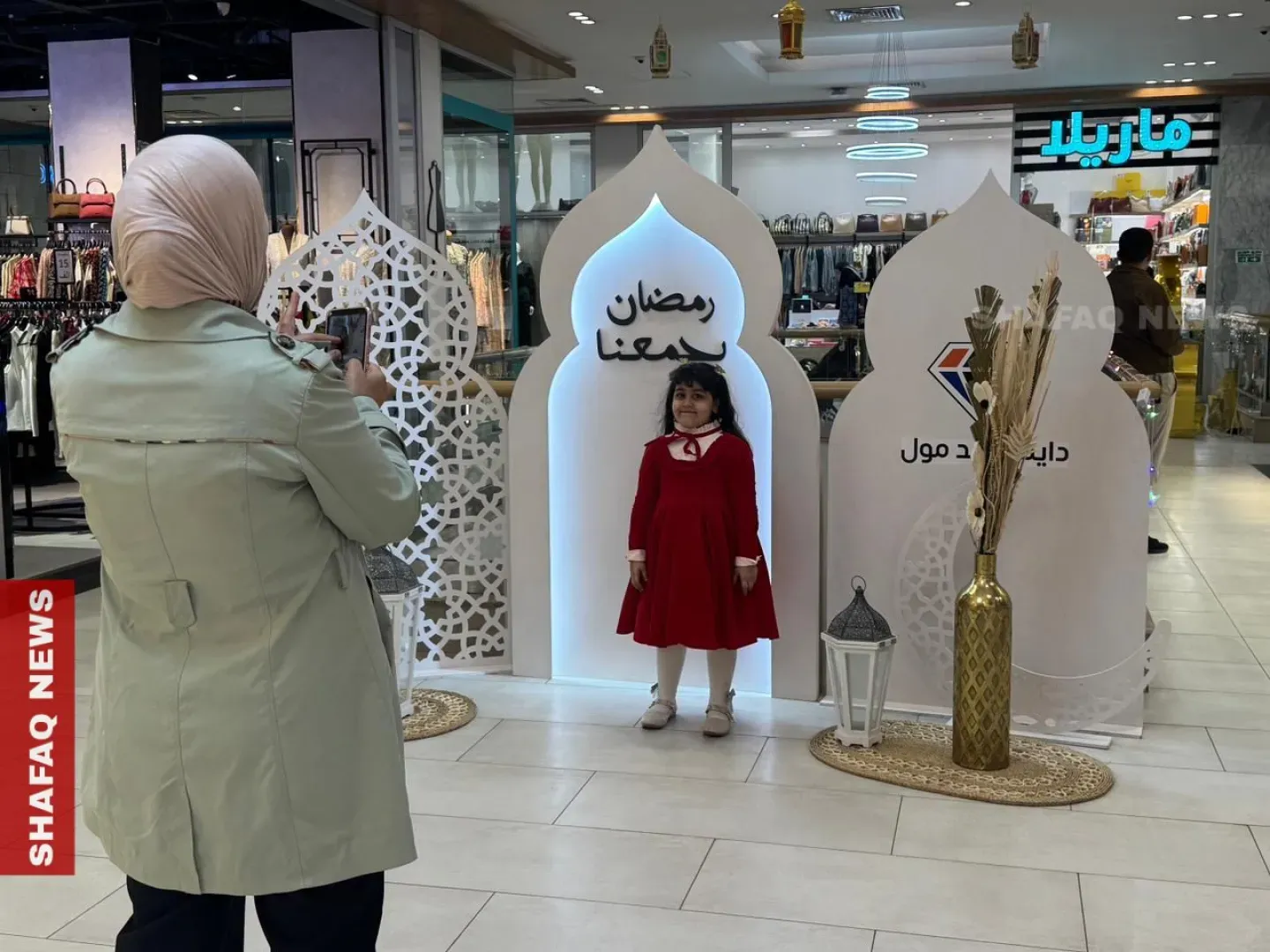
The renewed popularity of the Ramadan corner has also generated job opportunities for designers and stimulated local markets through increased demand for decorative items and antiques associated with the fasting month.
According to the interior designer Hiba Al-Kayyar, demand for the corner designs has risen significantly over the past two years, with enthusiasm for the tradition spanning various social and cultural backgrounds.
Residents also describe personal
motivations behind decorating their homes. “The practice fosters a sense of
tranquility and spiritual renewal,” citizen Rowa Hassan said. For Zahraa Naeem,
the Ramadan corner serves social purposes beyond fasting, viewing it as an
opportunity to strengthen family bonds and restore order within the household.