Iran’s Khuzestan exports to Iraq fall 50% over customs pricing policy


Shafaq News- Tehran/ Baghdad
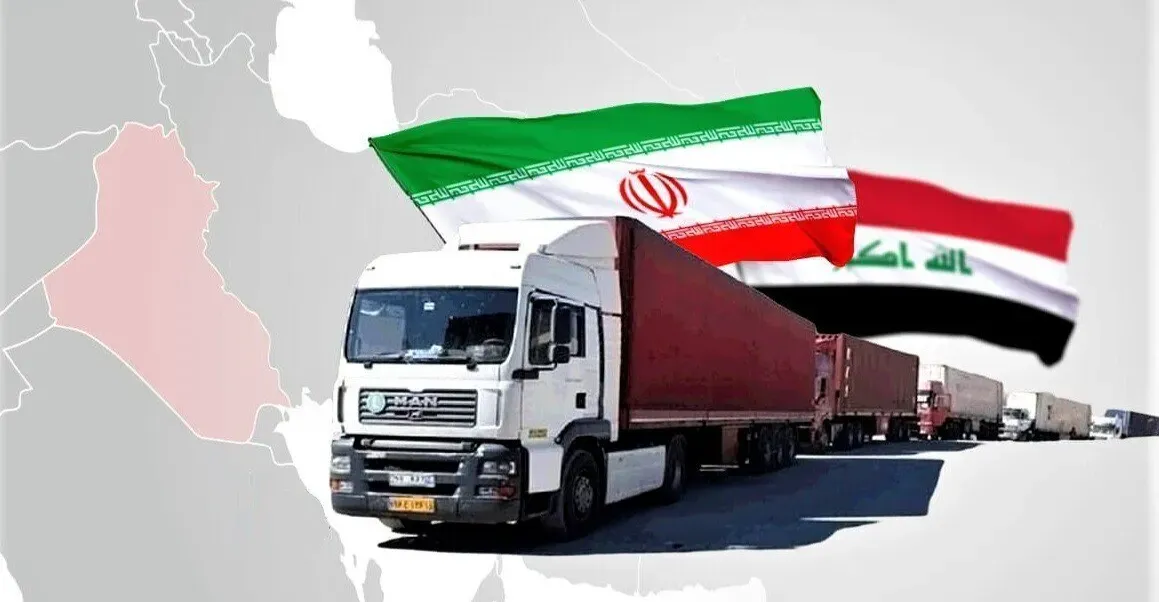
The value of non-oil exports from Iran’s Khuzestan province to Iraq, one of Tehran’s strategic trade partners, has declined by nearly 50% due to customs pricing policies, a senior official said on Tuesday.
Ahvaz Chamber of Commerce head Shahla Amouri stated that exports from Khuzestan to Iraq reached $2.167 billion in the first nine months of the previous Iranian year, which begins in March, but dropped to $1.219 billion in the first ten months of the current year.
Amouri identified the main challenge as the customs authority’s method of calculating the value of exported goods, noting that officials continue to rely on state-set reference prices that differ significantly from market rates. “When an exporter sells goods in Iraq’s competitive market for $100, customs authorities may register the value at $150 based on internal formulas and directives. Exporters are then required to repatriate foreign currency equivalent to the higher declared value.”
Exporters must cover the shortfall by purchasing foreign currency on the open market to meet repatriation requirements, leading to mounting losses and, in many cases, withdrawal from target markets. They also face additional costs to bypass sanctions and transfer funds into Iraq, expenses that customs authorities and the central bank do not factor into their calculations.
Growing financial pressures have prompted many Khuzestan exporters to exit the Iraqi market, and unless customs authorities revise their valuation methods, raising foreign currency repatriation ceilings would further burden exporters and accelerate the erosion of the province’s remaining trade, according to Amouri.
The Iraqi government raised customs tariffs between 5% and 30%, applied across bands of 5%, 10%, 15%, and up to 30%. The tariffs cover the full customs schedule of 99 chapters comprising approximately 16,400 tariff items used in global trade.
Read more: Explainer: Iraq’s updated customs tariffs, legal dispute, and market impact