Faith and finances: Religious tourism fuels Iraq’s economy


Shafaq News
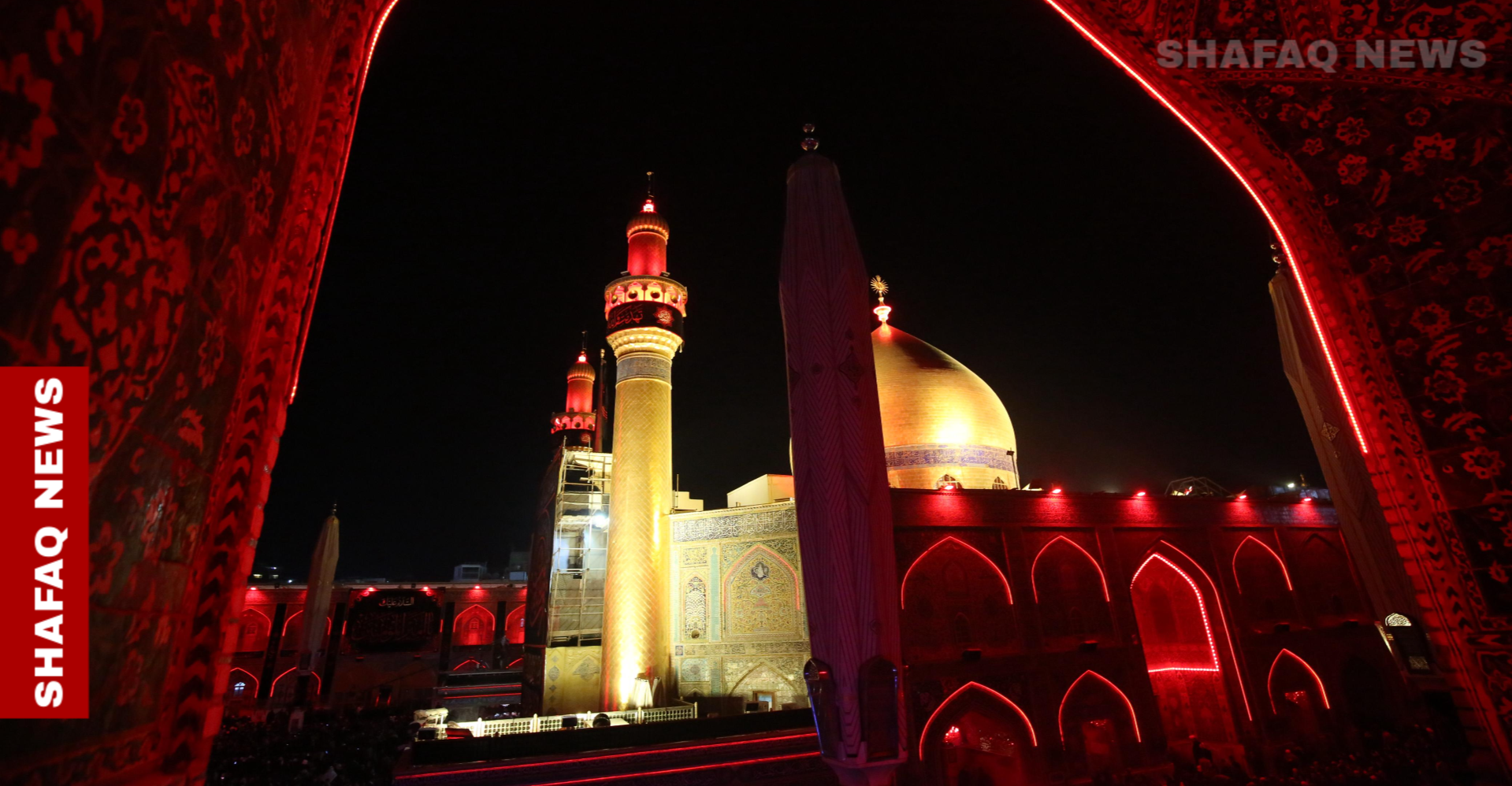
In a country still recovering from decades of war, religious tourism has quietly grown into one of Iraq’s most consistent and resilient economic sectors. Each year, millions of pilgrims travel across borders and provinces to visit Iraq’s sacred sites, generating billions of dollars in revenue, creating hundreds of thousands of jobs, and supporting a broad ecosystem of small and large businesses.
This constant stream of religious visitors—particularly during occasions such as Ashura and Arbaeen—has become a significant force shaping the national economy.
Year-round flow
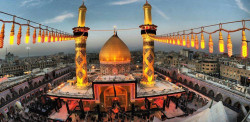
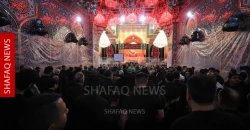
In 2024, an estimated 23 million people took part in Arbaeen commemorations across Iraq, with more than 5.2 million arriving from abroad, primarily from Iran, Pakistan, Lebanon, India, and the Gulf. Ashura drew roughly 5 to 6 million participants, largely concentrated in Karbala. These peak events represent the most visible moments in a continuous flow of religious travel throughout the year.
Millions also participate in other religious commemorations such as Mid-Shaaban, Eid al-Ghadir, Eid al-Mubahala, and the birthdays or martyrdom anniversaries of revered imams. For instance, the Mid-Shaaban pilgrimage in 2023 attracted over four million visitors to Karbala.
Furthermore, thousands of diaspora pilgrims and theological
students visit cities like Najaf and Kufa, which serve as global centers of
Shia scholarship. Altogether, Iraq welcomed more than 30 million religious
visitors in 2024, including around 6 million from abroad.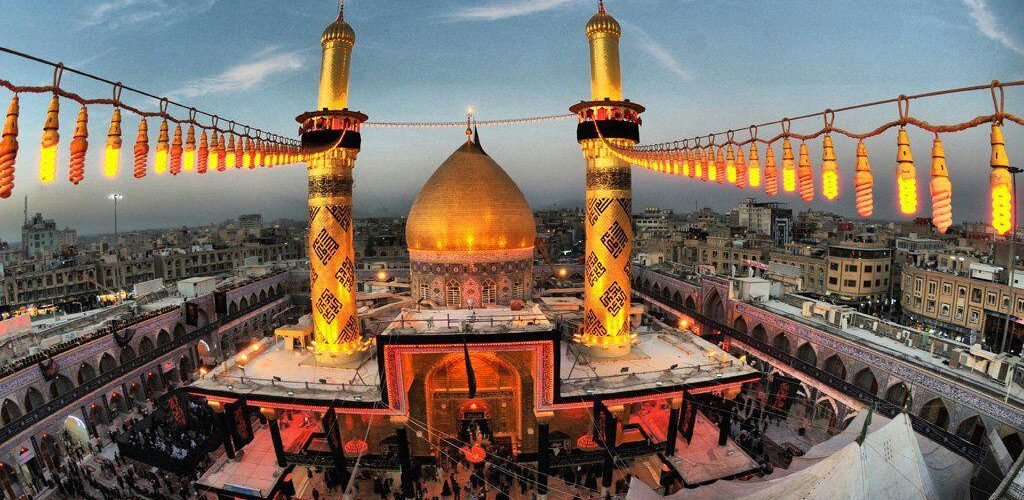
A Boomtown Effect
Religious visitors are more than travelers; they play a crucial economic role. According to estimates from Iraq’s Ministry of Planning and Tourism, religious tourism generated over $9 billion in combined direct and indirect revenues in 2023.
Foreign pilgrims tend to spend between $300 and $600 per visit, depending on the duration and services, while domestic pilgrims spend an average of $100 to $200.
In Karbala and Najaf, religious tourism accounts for more than 60 percent of total local employment. Tens of thousands work in hotels, restaurants, transport, retail, telecommunications, healthcare, and temporary services.
In 2024 alone, over 18,000 new small and micro-enterprises were registered in these cities, many tied directly to religious pilgrimages. The sector also benefits related industries, including agriculture, textiles, publishing, and waste management.
Saeb Abu Ghanim, head of the Tourist Hotels Association in Najaf, explained to Shafaq News that although Najaf has around 250 hotels, with 240 fully operational after meeting safety requirements, these remain insufficient for peak events.
He further noted that even a tenfold increase in hotels
would not meet demand, calling for tripling the current hotel capacity. Karbala
faces a similar situation, with only 450 hotels available compared to a needed
capacity exceeding 1,000.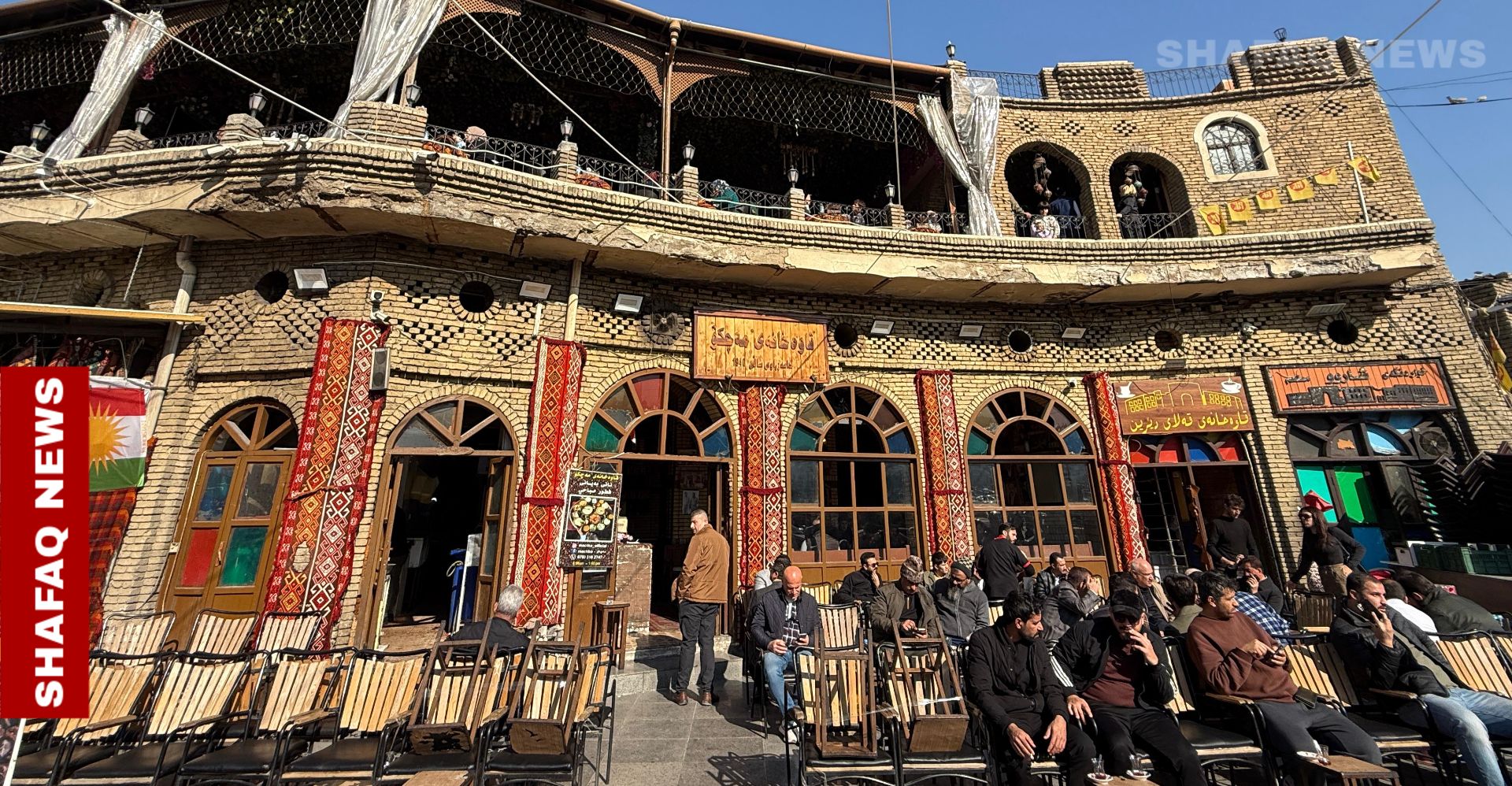
Demand Outpaces Supply
Accommodation and transportation represent the largest expenses for pilgrims. Karbala provides approximately 1,200 licensed hotels and guesthouses, yet the city faces severe shortages during peak seasons.
Arbaeen alone generates more than 2.5 million bed nights, forcing many pilgrims to rely on tents or volunteer shelters. Najaf experiences similar capacity constraints.
Transportation logistics also intensify during pilgrimages. In Arbaeen 2023, over 2.1 million pilgrims crossed into Iraq via the Zurbatiyah border from Iran. Authorities responded by deploying more than 4,000 extra buses and increasing flight capacity at Baghdad and Najaf airports by 40 percent.
Other crossings like Shalamcheh and Mehran also handled hundreds of thousands of arrivals. These surges stress Iraq’s infrastructure but simultaneously generate demand for food, fuel, communications, and local guides, fueling seasonal economies across provinces.
The Iraqi government’s 2024 Tourism Investment Plan earmarks nearly $620 million for infrastructure improvements in Karbala and Najaf, including 38 new hotel licenses and upgrades to roads, water, and sanitation.
A Pillar of GDP
At the national level, religious tourism contributes an estimated 3.3 percent to Iraq’s GDP, which stood at approximately $267 billion in 2023, according to the World Bank. This share rivals traditional sectors such as agriculture and construction.
Experts believe that with better planning and investment, Iraq could potentially double this percentage by 2030 through improved visa policies, infrastructure, and international promotion.
Mohammed Al-Rubaie, head of the Iraqi Tour Guides Syndicate, told Shafaq News that religious tourism remains one of Iraq’s most direct sources of income, stressing the need for standardized visa fees and modern electronic systems to manage entry at all border points.
Emphasizing the expansion of religious tourism beyond Karbala, Al-Rubaie urged for greater focus on Najaf, Samarra, and religious shrines of other faiths to diversify and attract broader visitor segments. He also highlighted the importance of professional management and enhanced services to properly support the large visitor volumes, noting the critical influx of foreign currency through pilgrims.
Geographically, more than 70 percent of religious tourism revenue is generated in Karbala, Najaf, and Al-Kadhimiya. Other cities like Baghdad, Samarra, and some provinces see modest activity, while Basra and Al-Anbar remain largely outside this sector’s reach.
Untapped Potential
While Shia sites form the backbone of religious tourism,
Iraq is home to numerous significant landmarks for other faiths. Christian
sites like the Mar Mattai Monastery near Mosul, the Church of the Immaculate
Conception in Qaraqosh, and the Rabban Hormizd Monastery in Alqosh continue to
attract Iraqi Christians and diaspora pilgrims. Despite recent restoration
efforts, many of these sites suffer from underinvestment, poor infrastructure,
and weak security support.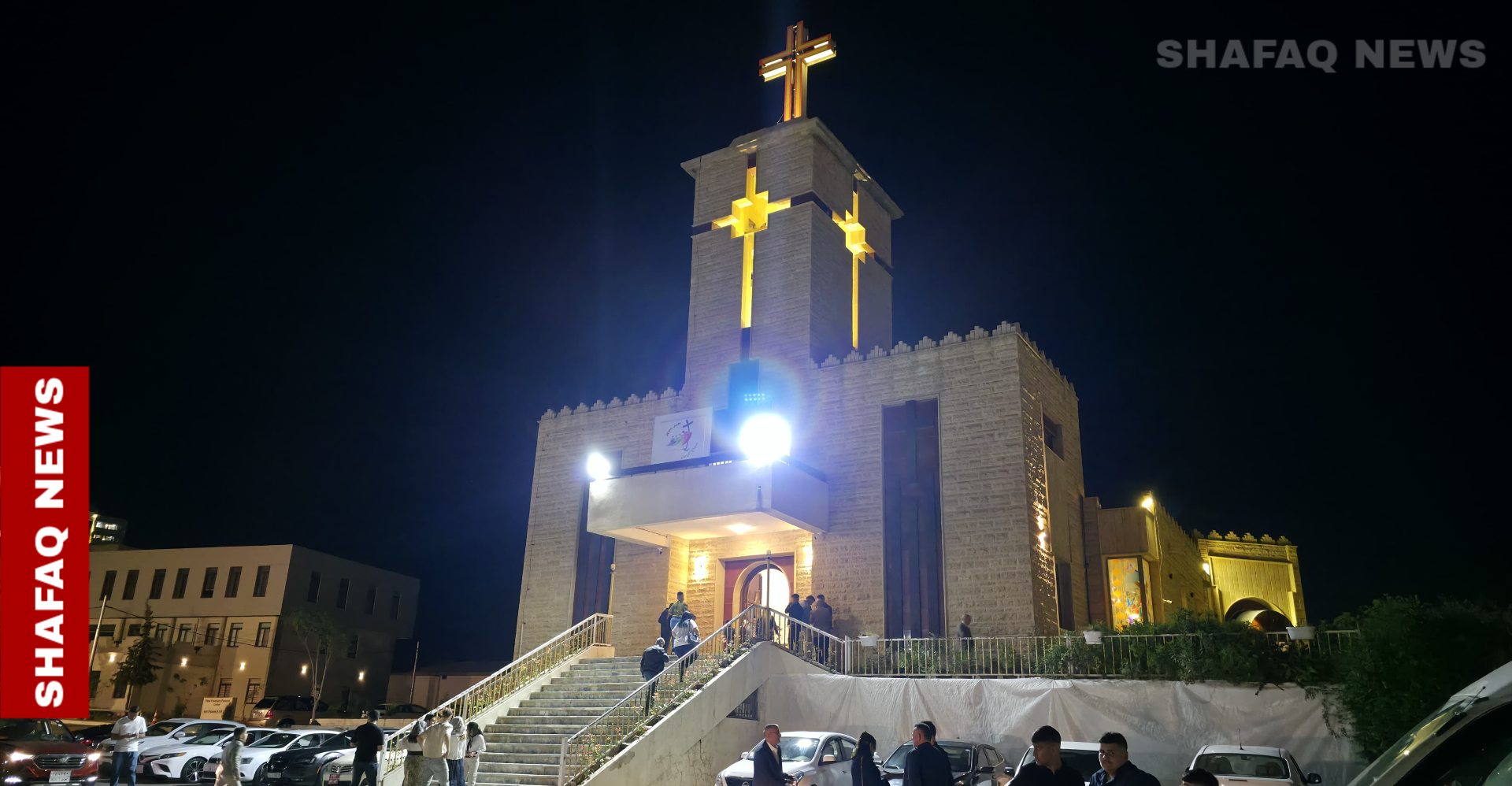
Yazidi religious tourism centers on the Lalish Temple in Duhok province, the holiest Yazidi site worldwide. Annual festivals attract visitors from Iraq, Syria, and diaspora communities in Europe. However, the surrounding infrastructure is minimal, and formal tourism services for Yazidi pilgrims or foreign visitors remain scarce.
Sunni religious sites such as the Great Mosque of Al-Nuri in Mosul and the Abu Hanifa al-Nu‘man Mosque in Baghdad receive year-round visitors, particularly religious scholars and tourists from Jordan and Turkiye. Still, these visits lack coordinated tourism efforts and generate limited economic impact.
Economist Karim Al-Hilu told Shafaq News that despite Iraq’s wealth of religious and historical sites spanning multiple faiths and eras—including Abrahamic, Syriac, Akkadian, and Assyrian heritage—there has been a failure to capitalize on this potential, citing insufficient infrastructure, lack of green spaces, recreational facilities, and overly complex visa procedures as key barriers.
Al-Hilu criticized the lengthy, security-heavy visa process that deters many visitors, noting that most countries rely on flexible tourism agencies to facilitate visas. He also pointed out the weakness of Iraqi tourism companies abroad, which lack effective promotion and representation.
Written and edited by Shafaq News staff.