Kurdistan’s Rwanga turns a site of atrocity into a solar-powered village


Shafaq News – Erbil
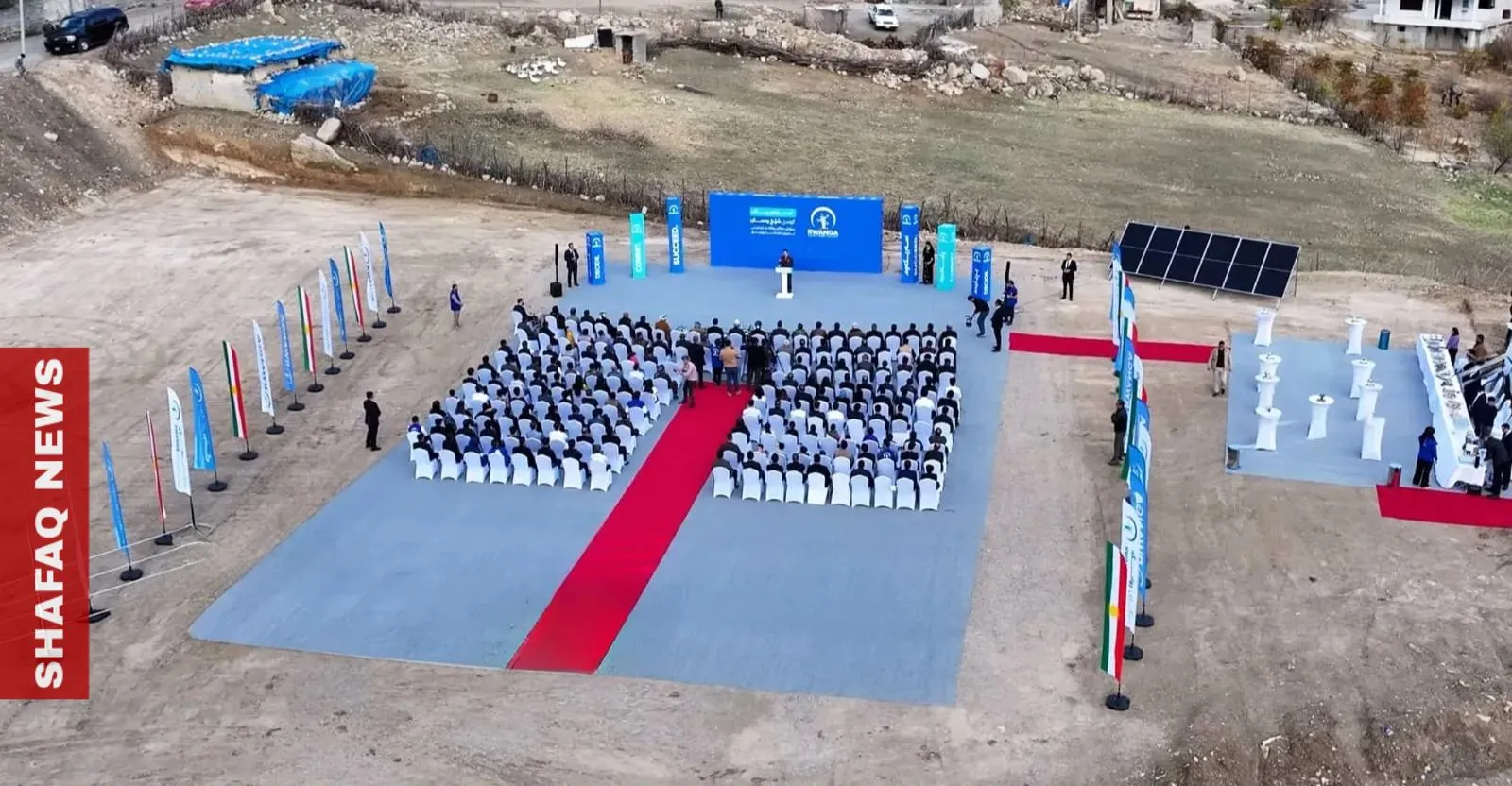
The Rwanga Foundation has launched a new solar-energy project in
the Kurdistan Region, supplying uninterrupted electricity to Sheikh Wasan—a
village where 211 civilians were killed in a 1987 chemical attack by Saddam
Hussein’s forces.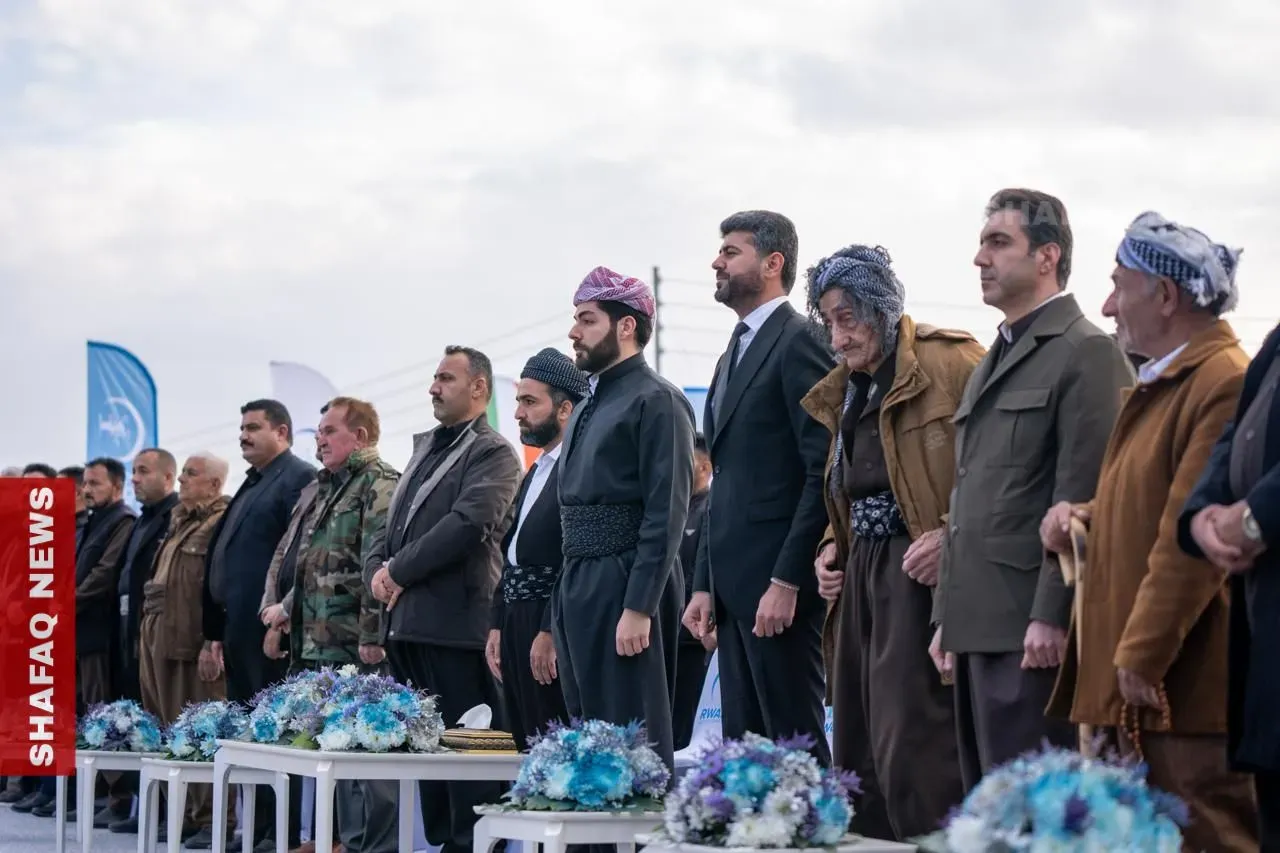
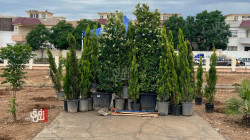
According to a statement from the foundation on Wednesday, the system includes 72 solar units equipped with 432 high-efficiency panels now delivering round-the-clock power to the village’s 281 residents, along with the mosque, school, health clinic, and the Martyrs’ Hall.
The initiative is part of the Rwanga Foundation’s broader push to
support communities affected by conflict. Led by its founder, Idris Nechirvan
Barzani, the organisation has focused on underserved areas across Iraq and the
Kurdistan Region since 2013, increasingly emphasizing sustainable development
and long-term energy solutions.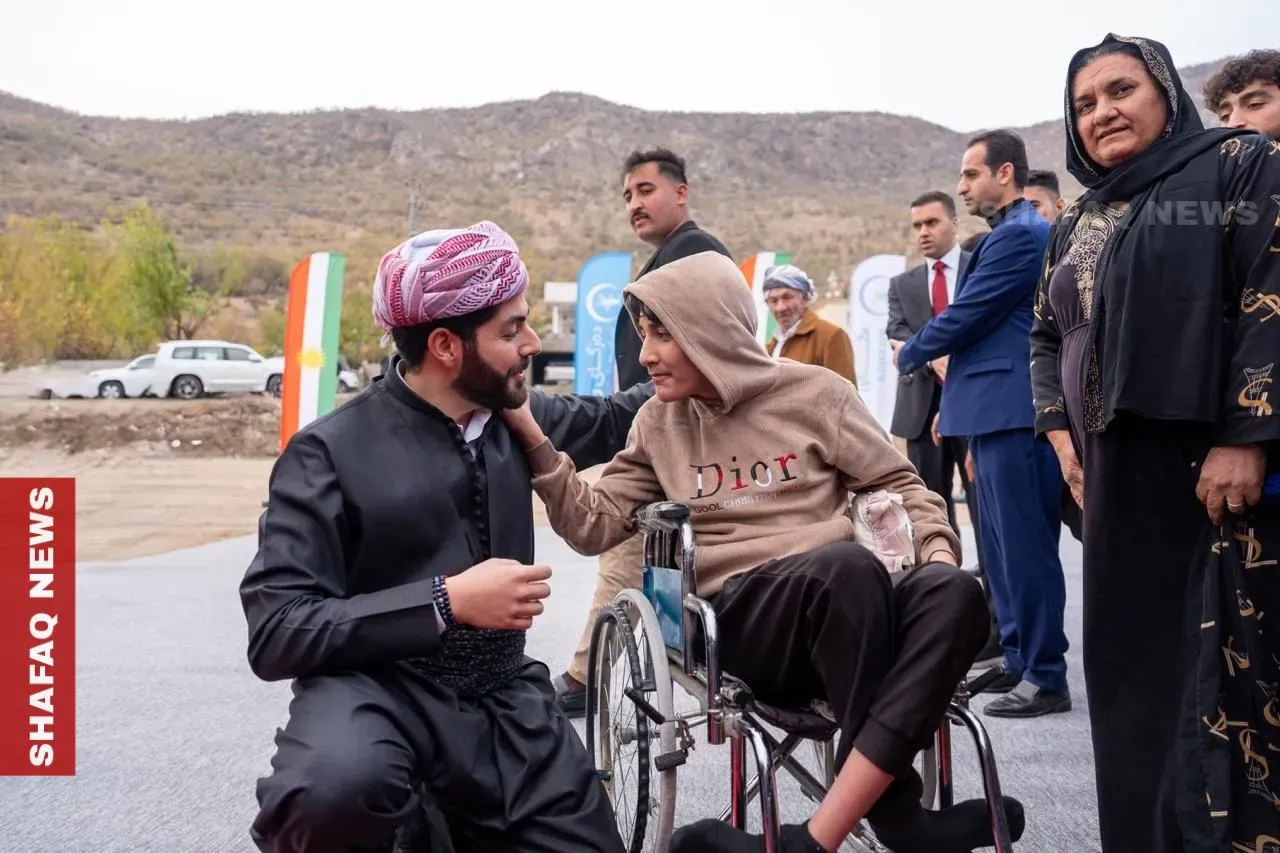
Sheikh Wasan carries one of the darkest chapters of the Anfal
campaign. On 16 August 1987, Iraqi aircraft and artillery targeted the Balisan
Valley with mustard gas and nerve agents in what is regarded as the first major
chemical assault on Kurdish civilians—months before the Halabja attack.
Families were separated, survivors were detained, and many children died in
prison camps.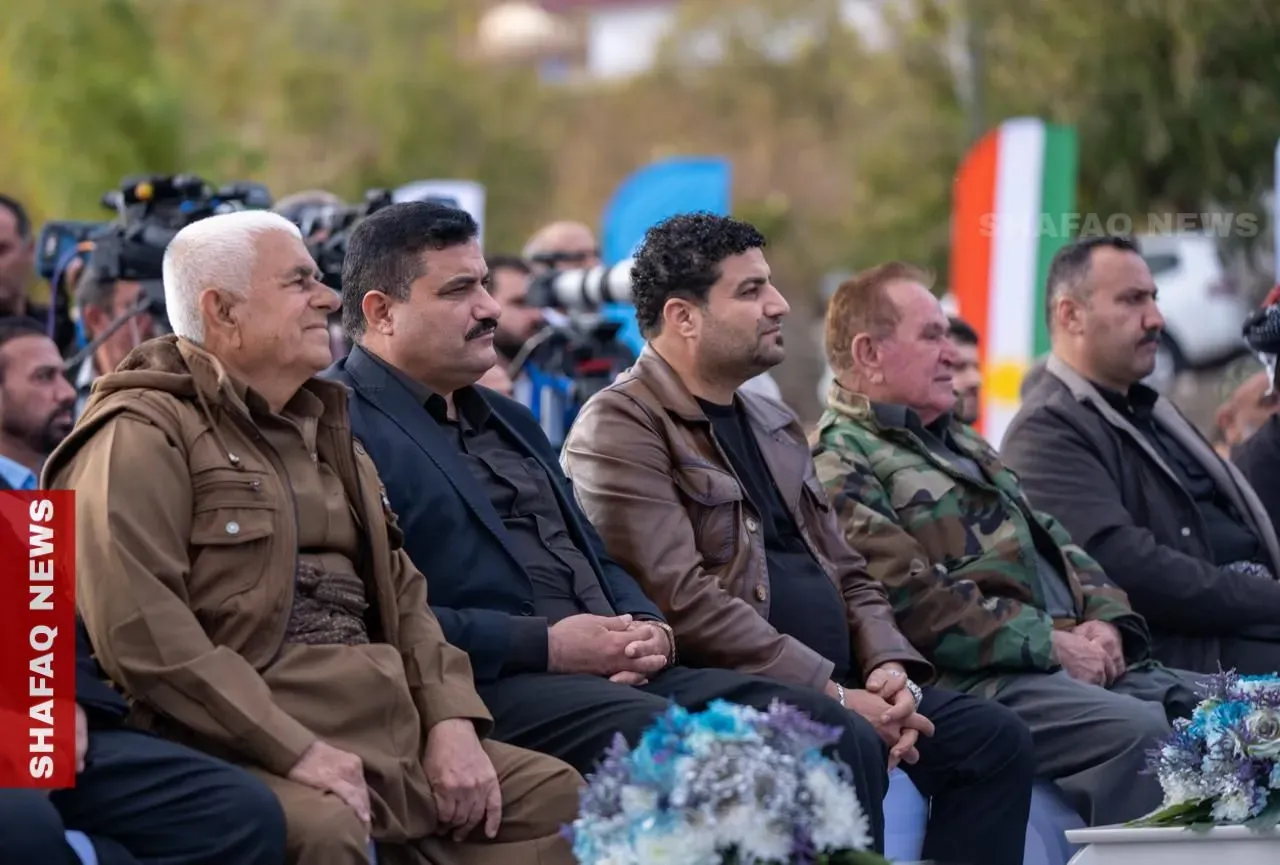
“These villages paid the heaviest price under the former regime,” Barzani said. “Providing them with clean, sustainable energy is the least we can do – not as charity, but as restitution and an act of justice.”
Residents described the project as a sign that their suffering has not been forgotten. “We lost entire families to the gas,” said one villager. “Now our children study under electric light and we can store our produce all year round. This is justice in the form of sunlight.”