Iraqi Parliament defers PMF Law to next term


Shafaq News – Baghdad
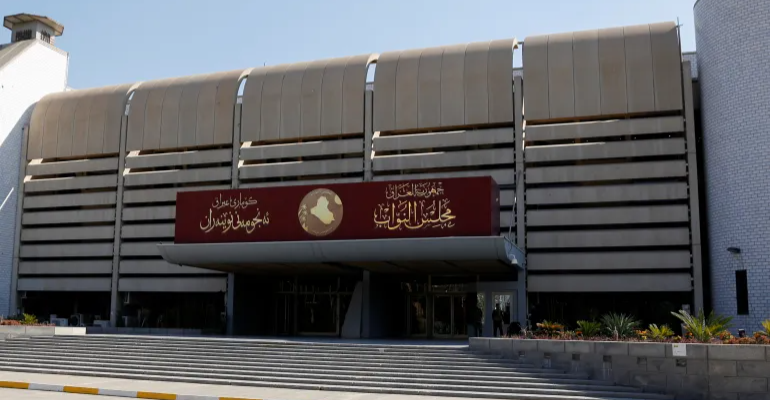
Iraq’s parliament has postponed the Popular Mobilization Forces (PMF) law to the next legislative term due to political disagreements, while approving several other bills, including the Mental Health Law, lawmaker Ibtisam al-Hilali from the State of Law coalition said on Monday.
Al-Hilali told Shafaq News that disputes over the PMF legislation persist even within the Coordination Framework (CF), the Shiite alliance backing the government, leading to repeated quorum breakdowns. She noted that parliament has only two sessions left in its current term, leaving no time to finalize the law before elections.
Read more: Iraq's PMF Service and Retirement Law: Is political exploitation inevitable?
The paralysis follows an August 5 dispute between Speaker Mahmoud al-Mashhadani and Deputy Speaker Mohsen al-Mandalawi over authority to preside over a session, which has since stalled work on major bills, including the PMF Law, as political blocs turn their focus to campaigning for November elections.
Earlier, CF member Uday al-Khadran told Shafaq News that a meeting of Iraq’s top leadership — the president, the prime minister, the parliament speaker, and the judiciary chief — agreed to withdraw the PMF draft and defer it to the next government, pointing out that the move was aimed at “preserving internal stability and avoiding regional tensions.”
Read more: Iraq’s PMF Law: A battle for state control
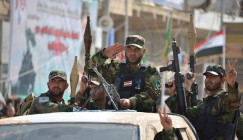
The PMF, a coalition of predominantly Shiite paramilitary groups, was established in 2014 after a call by Iraq’s top Shiite cleric, Grand Ayatollah Ali al-Sistani, to resist ISIS group following the fall of Mosul.
Parliament voted in 2016 to formalize the PMF as part of Iraq’s armed forces, but the law lacked detailed provisions for structure and oversight. The proposed PMF Authority Law, backed by major Shiite factions, is presented as part of a broader security reform aimed at standardizing ranks, regulating funding, and integrating the force into the military chain of command.
Supporters say the law would strengthen state authority and clarify the PMF’s status. Critics, both inside and outside Iraq, argue it risks legitimizing Iran-aligned groups and entrenching a parallel security structure outside civilian oversight.