Shipping disruptions drive Iraq toward Syrian market


Shafaq News- Damascus
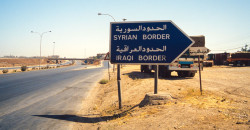
Iraq is seeking to reopen border crossings with Syria and streamline customs procedures to strengthen bilateral trade, Baghdad Chamber of Commerce board member and foreign relations official Duraid Al-Ghariri said on Sunday.
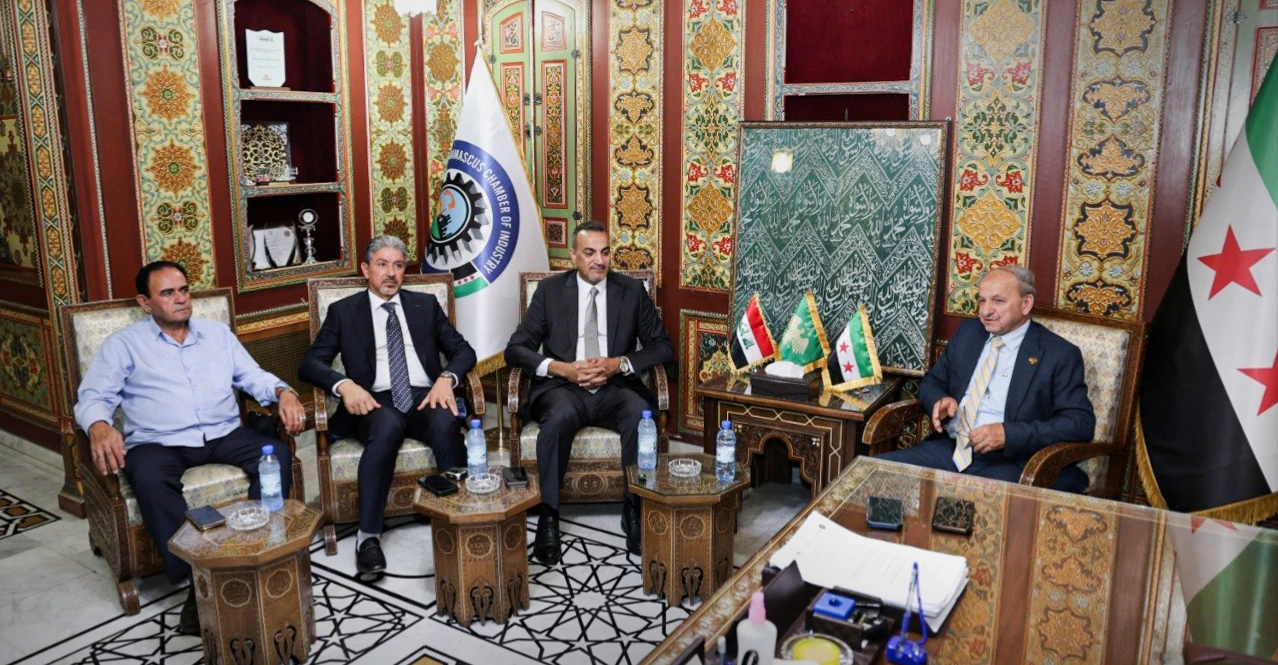
During a meeting with Mohammad Ayman Al-Mawlawi, head of the Damascus and Rif Dimashq (Damascus countryside) Chamber of Industry, Al-Ghariri called for greater participation in conferences and fairs in both countries, particularly the Baghdad International Fair.
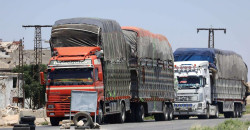
Disruptions to shipping through the Strait of Hormuz, coupled with delays and rising maritime transport costs for Iraqis importing from distant markets, particularly China, have created new conditions that make cooperation with Syrian industries a strategic option for both sides.
Read more: No exit but Hormuz: Iraq's economic vulnerability exposed
Al-Mawlawi expressed the chamber's readiness to provide services for Iraqi businesses, calling for closer coordination between the Damascus and the Baghdad chambers to establish direct links between traders and manufacturers. He also urged joint efforts to facilitate visas for Syrian businesspeople and industrialists traveling to Iraq to expand economic cooperation.
Syria and Iraq are seeking to double bilateral trade within two years and push commercial exchange above pre-war levels by the end of 2027, Osama Al-Qadi, a senior adviser at Syria’s Ministry of Economy, told Shafaq News in May. Trade between the two countries reached about $2.2 billion in 2010 before declining sharply, while Iraqi Finance Ministry figures showed Syrian exports to Iraq rising from about $58 million in 2024 to nearly $62 million in 2025.
According to Abdul Razzaq Habaza, secretary-general of the Syrian Consumer Protection Association, Syrian exporters face high production costs, customs obstacles, and competition from imports benefiting from Iraq’s central bank-backed financing platform. He urged stronger quality controls, customs facilitation, greater support for joint investment, and consideration of a Syrian-Iraqi free trade zone.