Oil retreats as US and allies move to secure Hormuz


Shafaq News
Oil prices fell on Friday as leading European nations and Japan offered to join efforts to secure safe passage for ships through the Strait of Hormuz and the U.S. outlined moves to boost oil supply.
Looking to curb soaring oil prices, U.S. Treasury Secretary Scott Bessent said the U.S. may soon remove sanctions from Iranian oil stranded on tankers, and said a further release of crude from the U.S. Strategic Petroleum Reserve was possible.
Brent futures fell $1.36, or 1.3%, to $107.29 a barrel as of 0330 GMT, while U.S. West Texas Intermediate (WTI) crude fell $1.92, or 2.0%, to $94.22.
Still, for the week, benchmark Brent was on track to rise nearly 4%, after Iran hit oil and gas facilities in the Gulf states forcing production to be shut in.
WTI, however, was set to fall more than 4% in its first weekly decline in five weeks.
Both benchmarks shed some of their "war premiums" on Friday morning after world leaders started to acknowledge a need for restraint and de-escalation, said Priyanka Sachdeva, senior market analyst at Phillip Nova. She added that markets will remain sensitive to the critical Hormuz chokepoint.
"The damage has been inflicted, and even if safe passage for tankers is somehow negotiated through Hormuz, reviving logistics fully fledged can take an awfully long time," Sachdeva said.
"Till then, any direct hit on export infrastructure or tanker routes could push prices sharply higher, while sustained diplomatic engagement may cap rallies and accelerate the unwinding of the war premium."
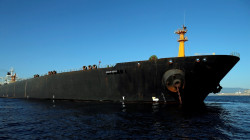
In a joint statement on Thursday, after earlier hesitating, Britain, France, Germany, Italy, the Netherlands and Japan expressed "our readiness to contribute to appropriate efforts to ensure safe passage through the Strait", through which 20% of the world's oil and LNG transit.
Meanwhile, U.S. President Donald Trump said he had told Israeli Prime Minister Benjamin Netanyahu not to repeat attacks on Iranian energy infrastructure.
In a boost to U.S. supply, North Dakota's crude output is expected to rise this month and in following months as operators in the third-largest oil-producing state restart inactive wells and winter restrictions are eased, the state's regulator said on Thursday.
The North Dakota Department of Mineral Resources said, however, the pace of activity would depend on how long oil prices stay high and that oil majors' budgets have already been set.
(REUTERS)
Only the headline is edited by Shafaq News.