Iraq’s oil wealth masks weak real economy, expert warns
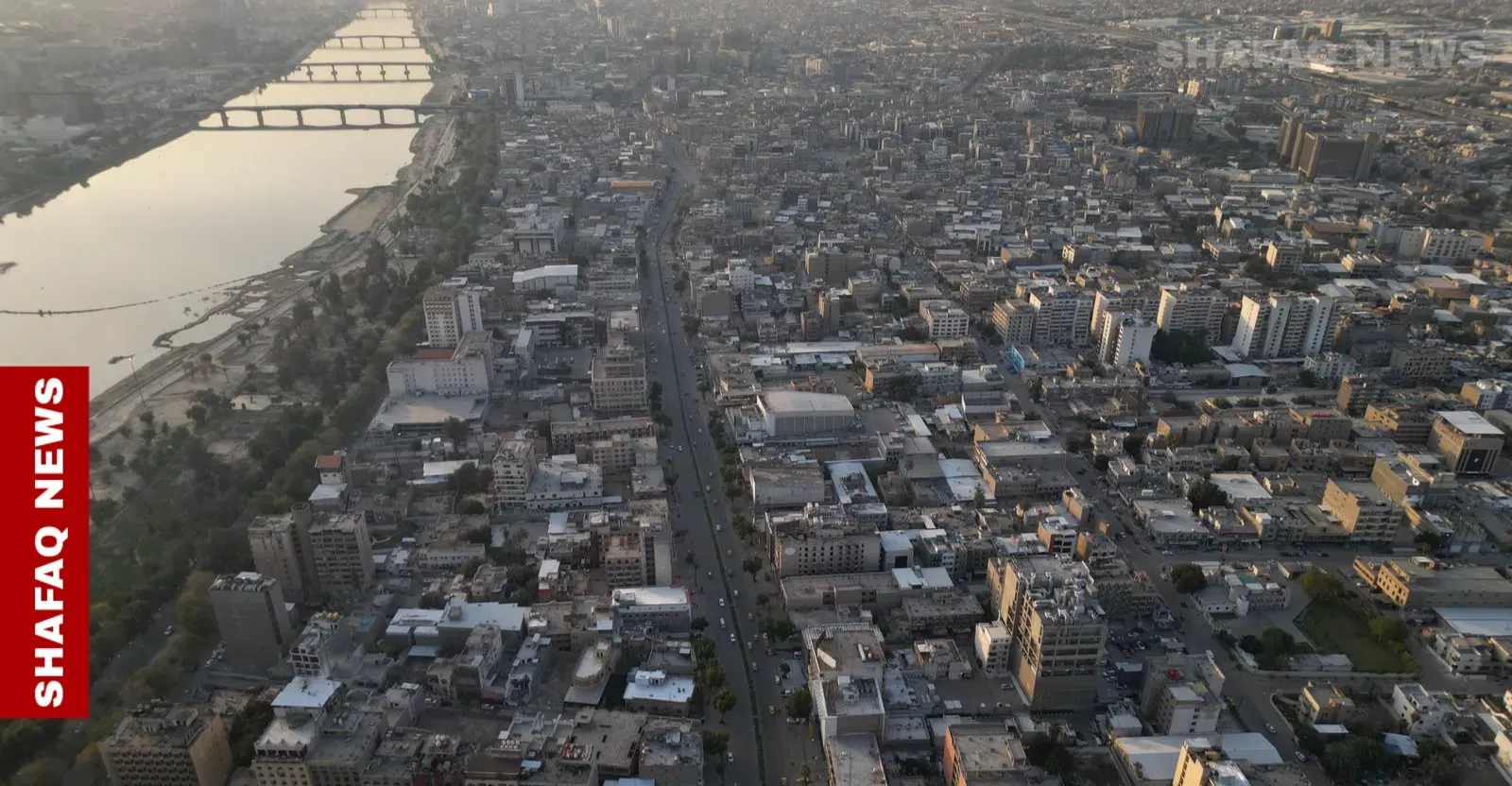


Shafaq News – Baghdad
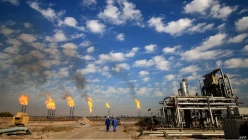
Despite being the second-largest oil producer in OPEC+, Iraq’s deep reliance on crude revenues has created a misleading sense of economic strength, while real productive output remains comparable to that of low-income countries.
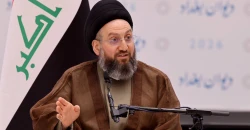
In an economic analysis titled The Illusion of Oil Wealth, Iraqi economist Manar Al-Obaidi described Iraq’s crisis as structural rather than financial, denying that it stems from oil prices or insufficient state income. He argued that the core problem lies in the absence of genuine production beyond the oil sector.
Al-Obaidi explained that the non-oil economy does not exceed 90 trillion Iraqi dinars (about $62.87B), with nearly half absorbed by government salaries and operating costs, while actual private-sector production stands at about $38 billion annually. When measured against population size, he noted, this translates into real per-capita production of roughly $850 a year—levels typically associated with low-income economies.
The relative prosperity visible in parts of the country, he argued, reflects a temporary condition financed by oil revenues rather than a durable economic base, adding that Iraq’s private sector remains indirectly dependent on oil, as most activity centers on imports and trade, with the foreign currency sustaining these activities originating almost entirely from crude exports.
To reverse this trajectory, Al-Obaidi called for what he described as a “corrective revolution” to break the cycle of exporting oil to finance imports. His proposals included privatizing the banking sector, backing large-scale productive projects capable of exporting, and expanding tourism and service industries.
Read more: Without oil: Iraq's economic future hanging in the balance
With more than 90% of government revenues derived from crude exports, Iraq produces around 4.4 million barrels of oil per day (bpd), while exports typically fluctuate between 3.3 and 3.7 million bpd due to production agreements, infrastructure limitations, and geopolitical factors. Within this economic structure, the private sector’s contribution remains limited, accounting for less than 8% of GDP.
Al-Obaidi has previously cautioned that even under optimal conditions, non-oil revenues would cover only 10–15% of Iraq’s operating needs, underscoring that no existing resource currently offsets the country’s dependence on crude.