Iraq’s Al-Sudani details spending pressures, debt levels, and financial gains


Shafaq News – Baghdad
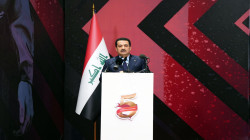
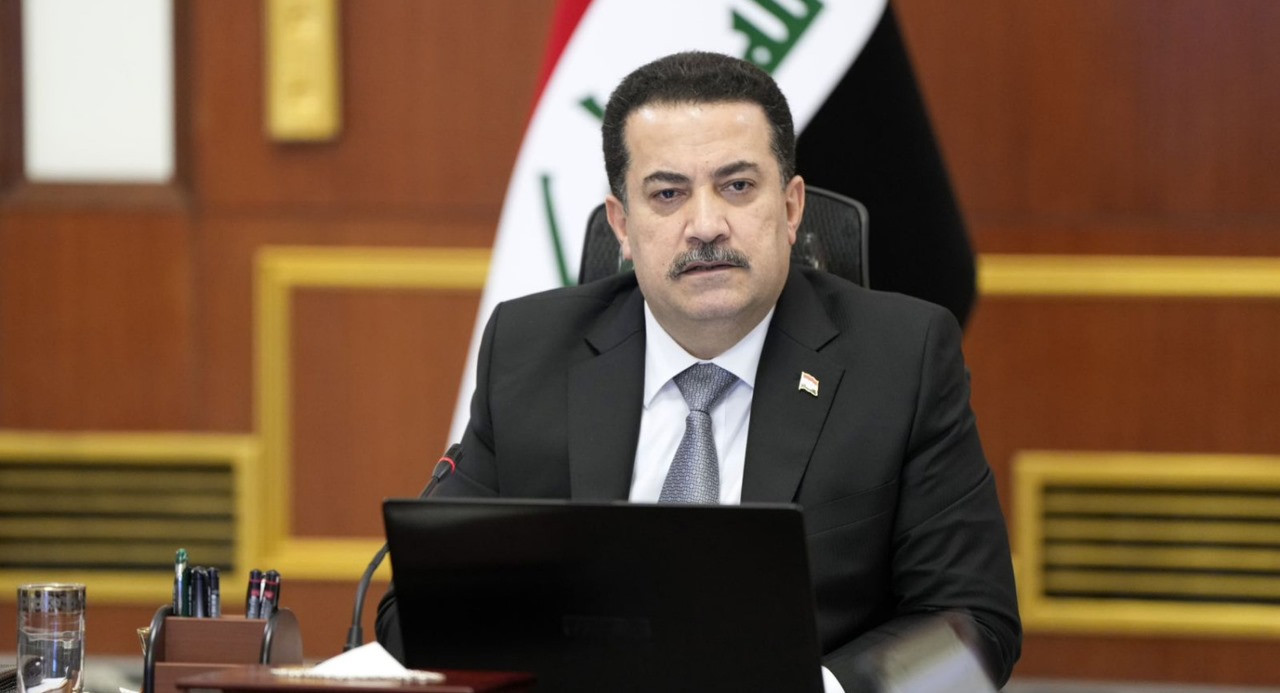
Iraqi Prime Minister Mohammed Shia Al-Sudani said the government’s recent fiscal approach has helped stabilize public spending, while warning that future budgets will still face structural pressures linked to the size of the state and longstanding obligations.
In an interview with the Iraqi state-run Al-Iraqiya News channel, Al-Sudani said the three-year federal budget framework introduced by his government provided “stability in expenditure” and ensured continued financing for development projects, but is unlikely to be repeated in future budget cycles, noting that multiple fiscal indicators are now under review as preparations begin for the 2026 budget.
The prime minister placed current spending pressures in a longer-term context, recalling that Iraq’s federal budget stood at about $24 billion in 2004, before expanding sharply alongside the growth of the public sector. He said the number of state employees has reached around 4.55 million in 2025, while the country also supports nearly 3 million civilian and military pensioners.
Al-Sudani also highlighted the scale of social and subsidy programs, pointing out that all 43 million Iraqis benefit from the Public Distribution System (PDS), the nationwide food ration scheme. “A recent review removed about 4.5 million ineligible beneficiaries to reduce waste without cutting support for vulnerable households.”
Read more: Deficit soars, projects freeze: Iraq heads into 2026 with NO BUDGET
Energy and social spending remain among the largest items in the federal budget. According to al-Sudani, more than 22 trillion Iraqi dinars (about $16.8B) are spent annually on electricity production, while social protection allocations amount to around 6 trillion dinars per year. An additional 12 trillion dinars are earmarked annually for service and infrastructure projects.
Despite these expenditures, the government has introduced “important reforms” to curb excessive spending and financial leakage, in particular, a review of previous electricity contracts that “reduced costs by about 43 percent.” Al-Sudani also said the rollout of the ASYCUDA customs automation system has strengthened state control over border crossings and customs revenues, alongside efforts to reactivate the tax system “in a way that does not harm citizens.”
On public debt, the prime minister said all federal budgets approved since 2003 have included fiscal deficits, making borrowing a structural feature of Iraq’s finances. He put Iraq’s external debt at $10.056 billion, describing it as the lowest level in the region, while domestic debt stands at roughly 34 trillion dinars.
“Future governments may still need to resort to borrowing to cover deficits, but financial pressures can be managed without imposing hardship on citizens.”
Citing a rise in foreign currency reserves to $108 billion and an increase in gold reserves from 130 to 172 tons, Al-Sudani considered Iraq’s overall financial position had improved. He also pointed to macroeconomic stabilization, including a drop in inflation from 7.5 percent to 2.7 percent and a narrowing of the gap between the official and parallel exchange rates.