Pollution fears drive customers from Mosul fish market



Shafaq News- Nineveh
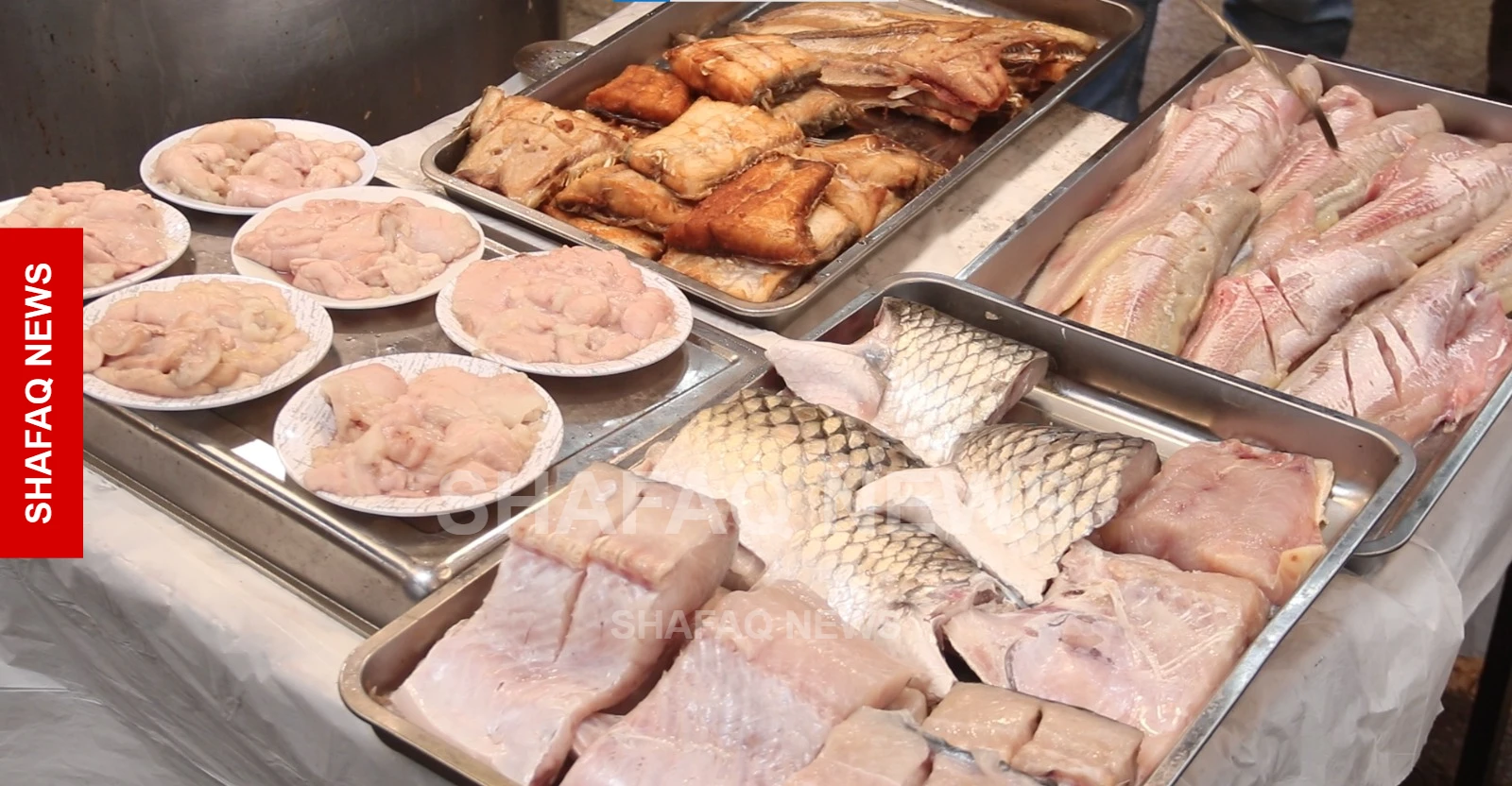
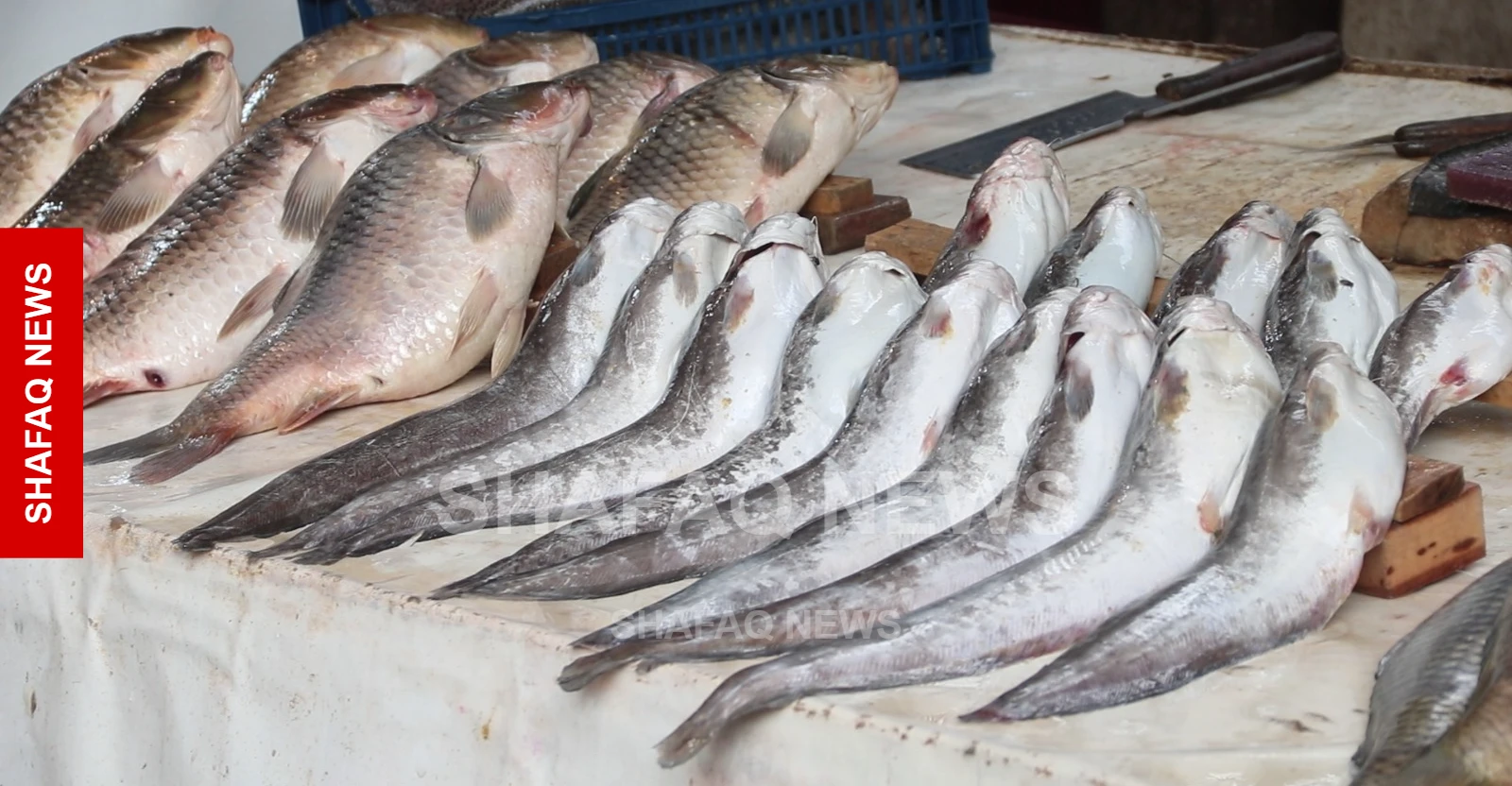
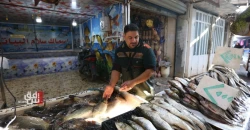
Sales have fallen sharply at the historic fish market in Mosul’s Old City as concerns over water pollution and food safety keep customers away, leaving vendors with unsold fish and daily losses, Shafaq News learned on Sunday.
Abu Mohammed, a fish seller at Al-Midan market, attributed the decline to recent statements and rumors linking fish to serious diseases, including HIV, as well as exchange-rate fluctuations.
“Problems are coming at us from every direction,” Abu Mohammed told Shafaq News. “After the fluctuations in exchange rates, we were hit by rumors about fish transmitting serious diseases and viruses, bringing trade to an almost complete standstill.”
Customer numbers have also dropped on the market’s busiest days, from Thursday through Saturday, Abu Mohammed added, urging health and regulatory authorities to provide clear information about the safety of fish sold in local markets.
“Where are the health and regulatory authorities?” he asked.
“Fish spoils within two or three days, and most vendors are now throwing away
quantities every day because they cannot sell them. Fish is cooked or grilled
at high temperatures; it is not eaten raw.”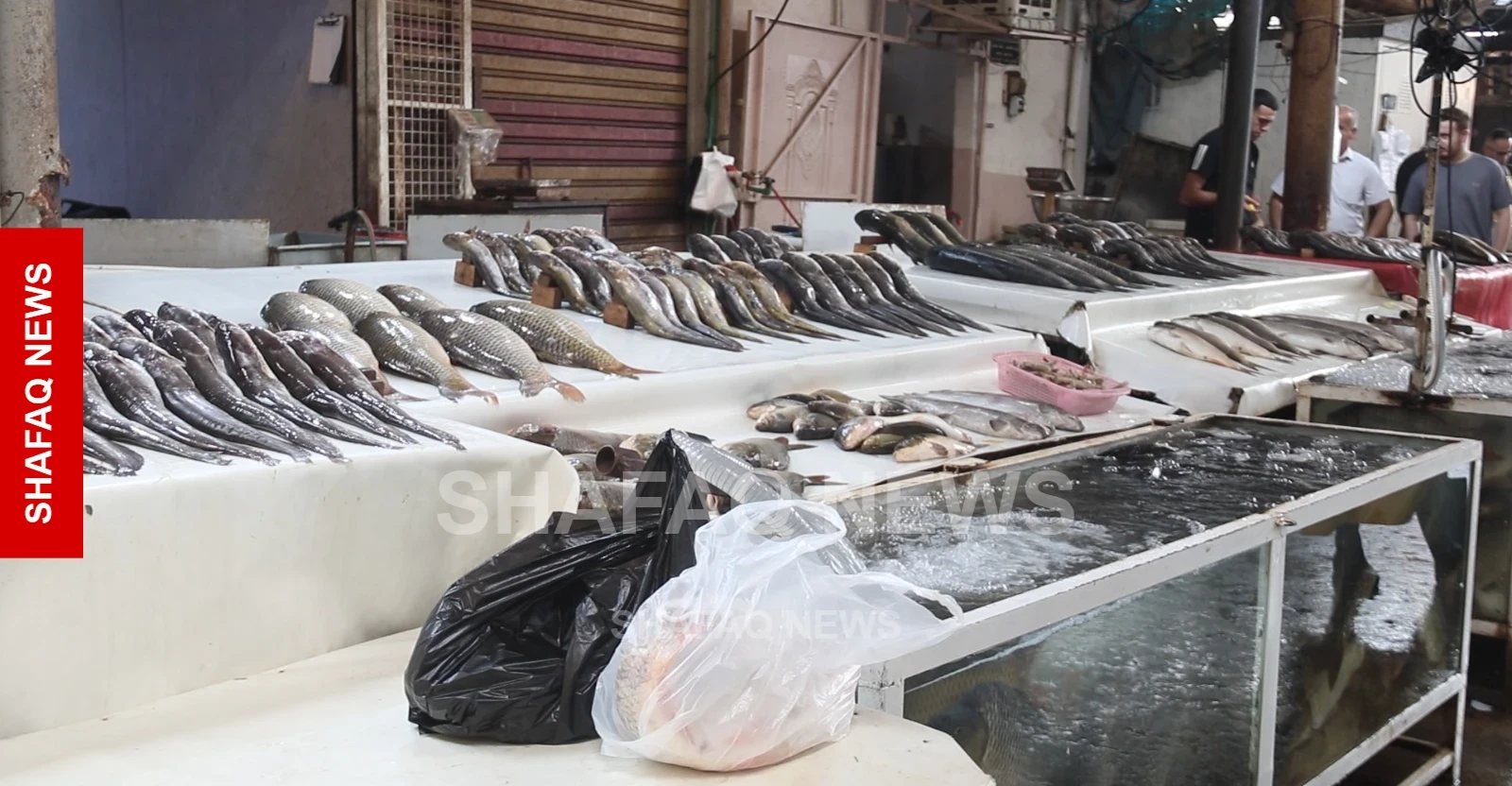
Abu Ali, another trader, joined fellow vendors in calling on government authorities to test river water and fish sold in markets and publish the results. They argued that warnings circulating without supporting technical evidence were hurting their businesses and livelihoods.
The concerns follow earlier remarks by Environment Minister Sarwa Abdulwahid, that hospital waste and untreated water were being discharged into the Tigris River, raising concerns about potential effects on public health and aquatic life. She, however, clarified that HIV cannot be transmitted through fish, drinking water, or food.
Iraqi officials later explained that the warnings were intended to prompt action against sources of pollution, not to discourage people from eating fish that meet safety standards.
Read more: What is killing Iraq’s fish? The evidence points to no single cause