Pollution and drought threaten livelihoods in Iraq’s oil-rich Bani Hashim


Shafaq News– Maysan
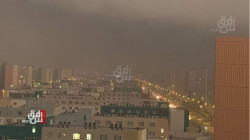
Bani Hashim subdistrict in Maysan province, southeastern Iraq, is facing severe environmental pollution and acute water shortages despite accounting for nearly 60% of provincial oil and gas extraction, an Iraqi official told Shafaq News on Tuesday.
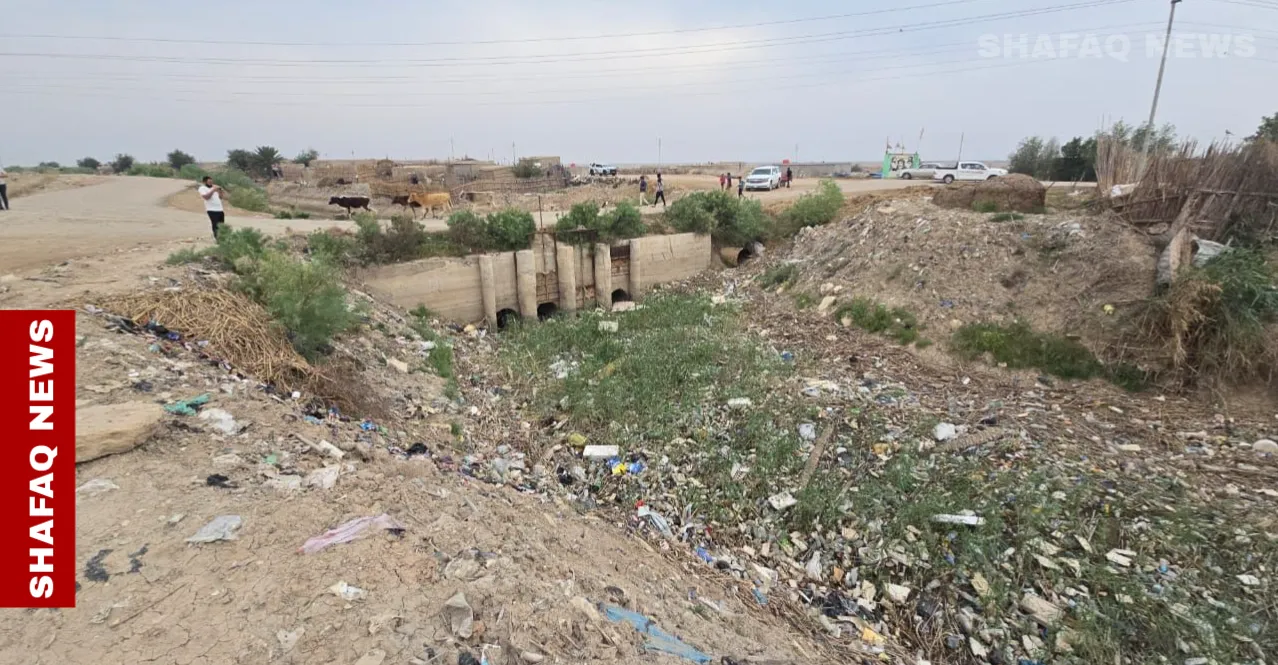
According to Mustafa Ajil, head of the Bani Hashim subdistrict, the majority of oil companies operating in Maysan are concentrated within the subdistrict’s boundaries, leading to widespread pollution of water, air, and soil from oil and gas extraction activities. He added that the area also faces what he described as a “clear lack of services” at the provincial level.
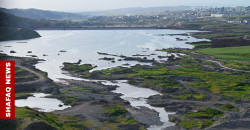
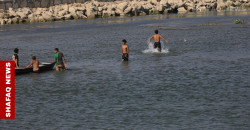
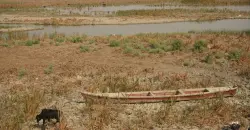
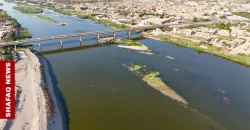
Ajil pointed out that water shortages have reached critical levels after rivers dried up and all water purification and testing stations shut down, forcing authorities to rely on water tankers to supply residents. This measure remains temporary and unsustainable, he said, noting that the subdistrict has only one tanker available.
On relief projects, Ajil said current efforts remain limited to road paving and a handful of minor initiatives that fail to match the scale of the challenges, while strategic projects remain absent. Pointing to a provincial government plan to build a strategic water-pumping station with a capacity of up to 1,000 cubic meters to supply areas affected by river drought, he described it as a potential long-term solution to the water crisis, but urged the central government to fast-track procedures to finalize contracts and launch implementation.
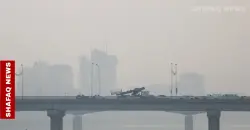
Iraq is grappling with an environmental crisis driven by severe air pollution and chronic waste mismanagement. Baghdad ranks among the region’s most polluted capitals, with PM2.5 concentrations frequently exceeding safe limits, while environmental degradation extends far beyond the capital. Across the country, water quality has deteriorated sharply, with up to 90% of rivers contaminated by untreated sewage, industrial discharge, and agricultural runoff, compounding public health risks and straining already fragile ecosystems.
Read more: The air we breathe: How pollution is quietly rewriting Iraq’s future