Nippur: Iraq’s ancient city still revealing Mesopotamia’s secrets


Shafaq News- Al-Diwaniyah
More than 4,000 years after emerging as the spiritual heart of ancient Mesopotamia, the archaeological city of Nippur in Iraq’s Al-Diwaniyah province continues to yield discoveries that deepen understanding of the Sumerian, Akkadian, and Babylonian civilizations.
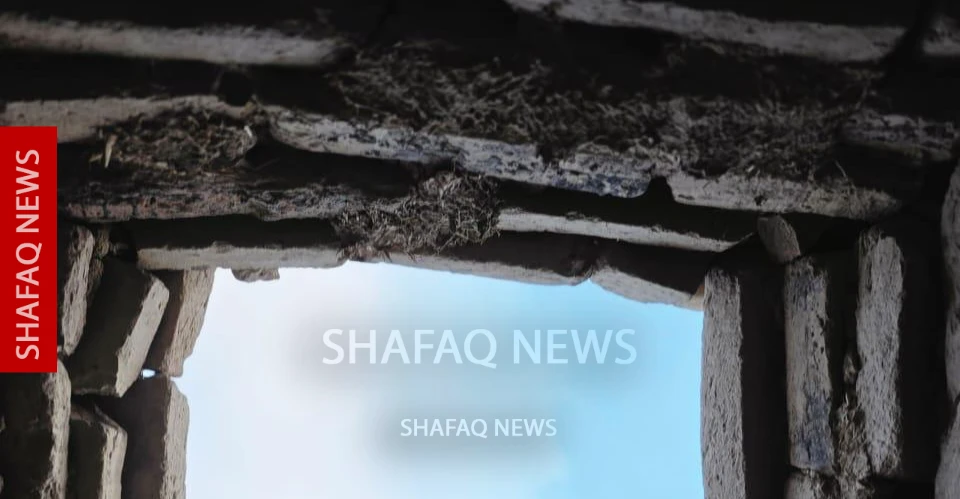
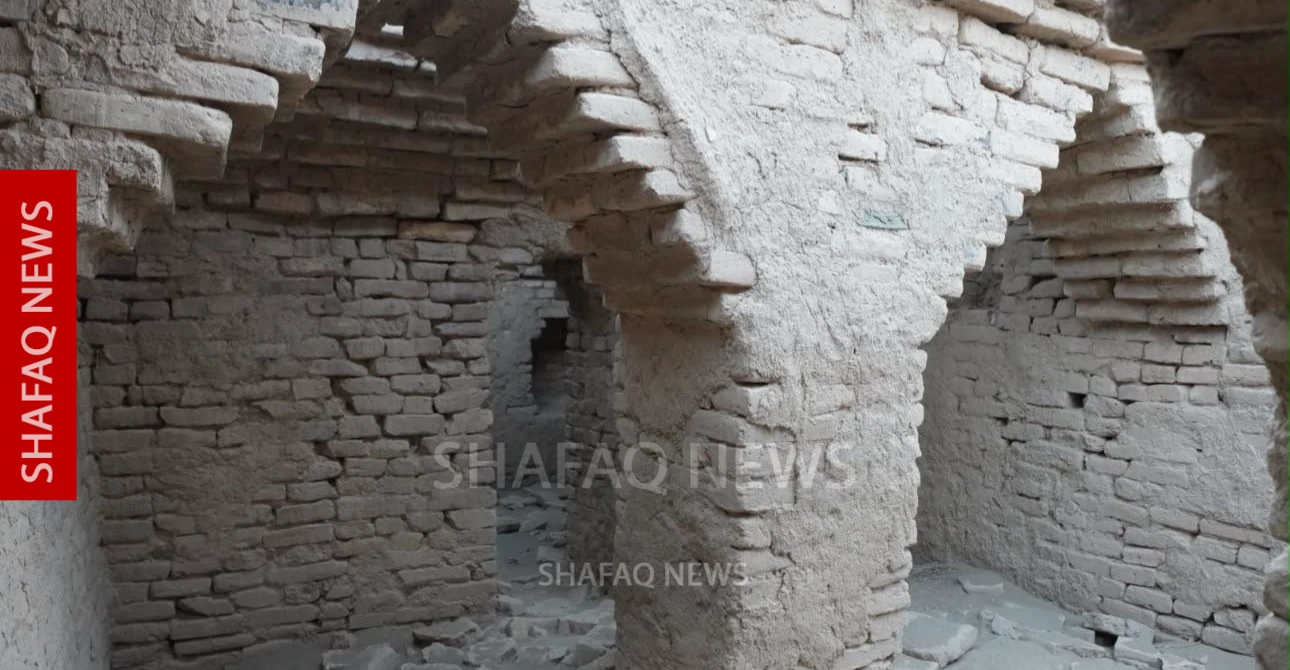
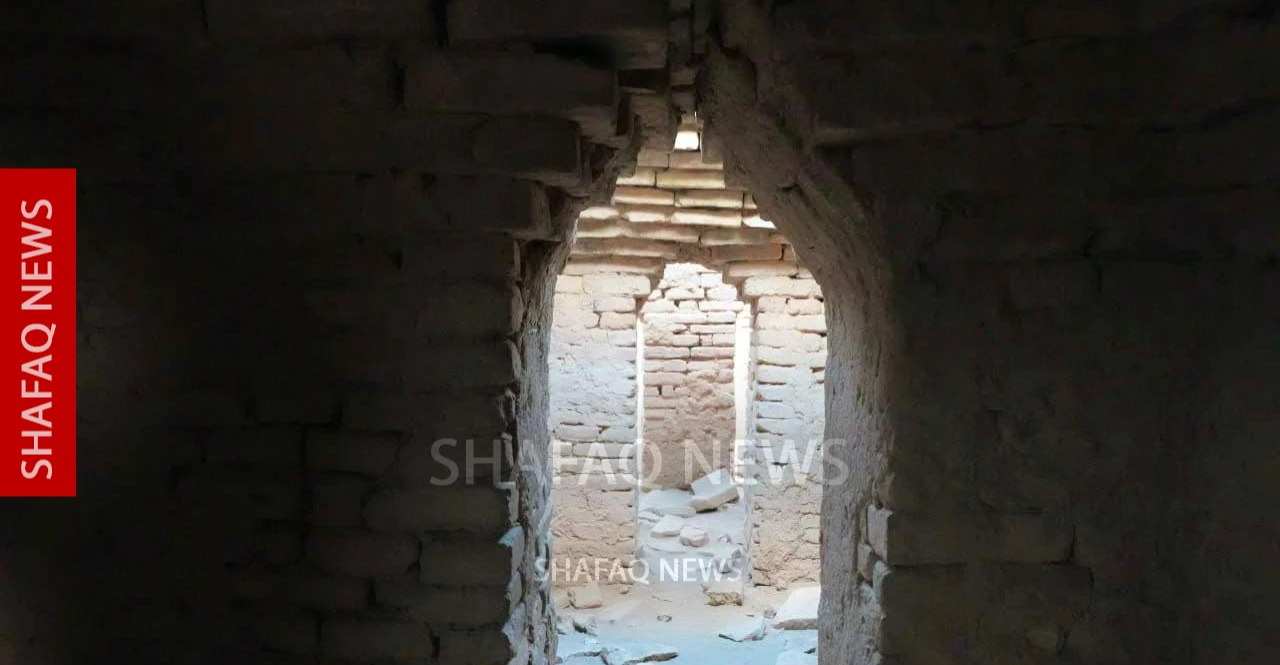
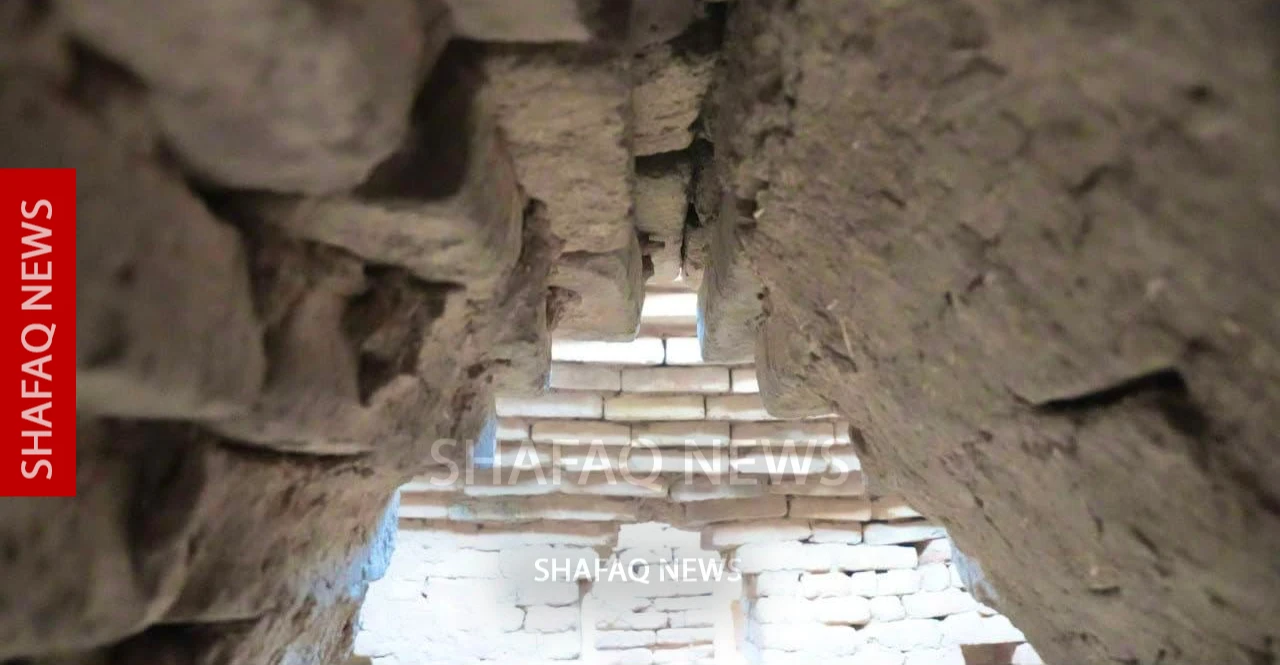
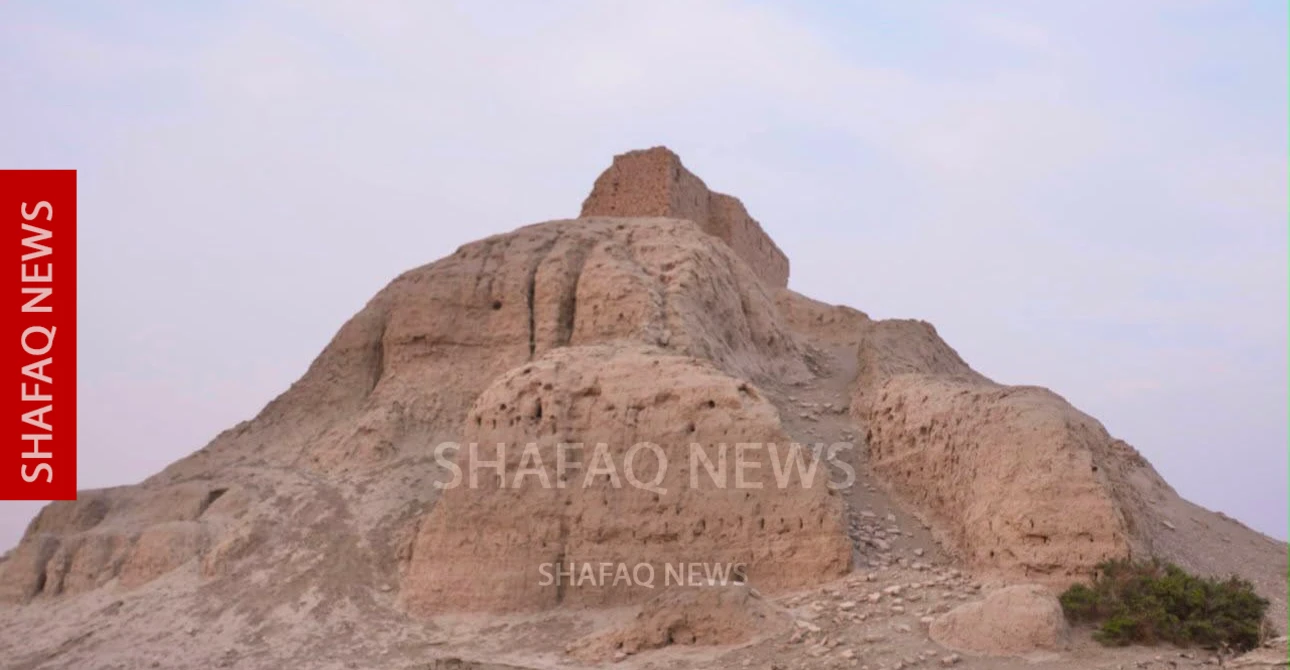
Near the town of Nafar in Afaq district, the sprawling ruins are marked by towering mounds, mud-brick structures, and scattered pottery fragments. At their center stand the remains of the ancient ziggurat and adjoining temples, once among the most revered religious complexes in Mesopotamia.
Shafaq News observed visitors walking among pottery shards and ancient remains, enduring traces of a settlement that for centuries shaped the religious life of southern Mesopotamia. Bassem Jabbar, director of Al-Diwaniyah’s Antiquities and Heritage Department, explained that Nippur’s exceptional standing rested on the Temple of Enlil, dedicated to the supreme deity of the Sumerian pantheon.
“Although Nippur was never the political capital of a Sumerian or Babylonian kingdom, its religious status gave it exceptional influence throughout Mesopotamia.”
Read more: Al-Diwaniyah: a city of happiness with lost potential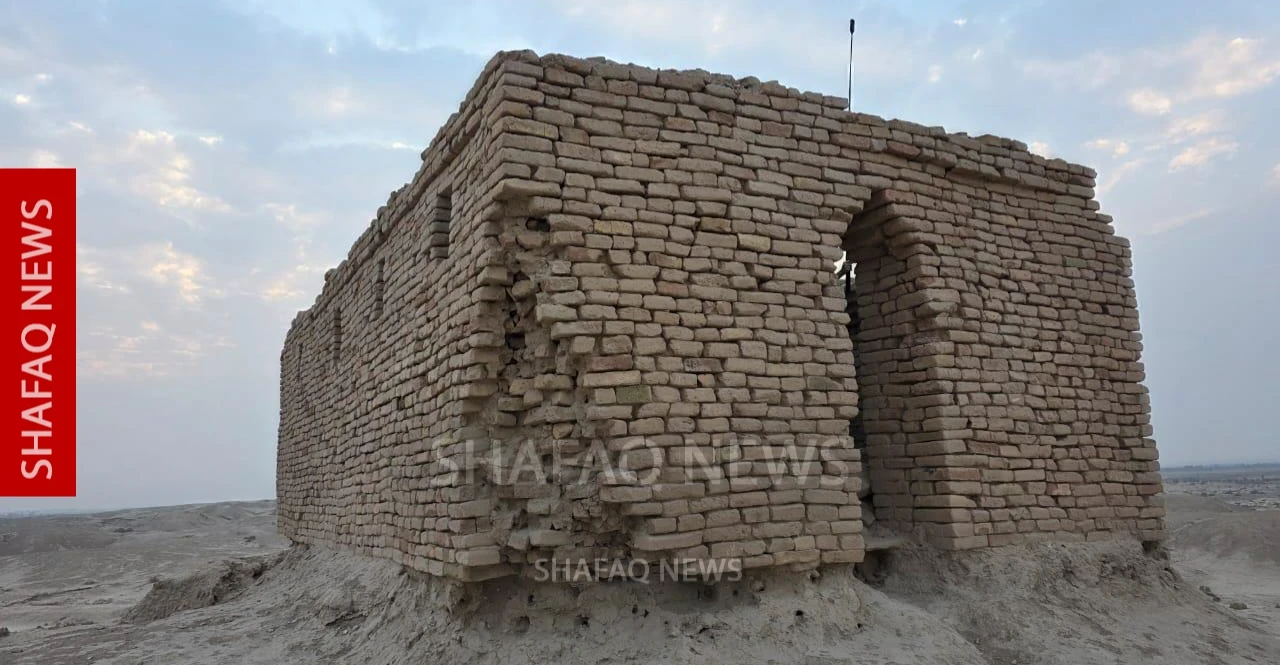
He traced archaeological exploration of Nippur to 1851, with large-scale excavations beginning in 1889 under the University of Pennsylvania. Those missions unearthed thousands of cuneiform tablets, one of the world’s oldest known city maps, the ziggurat, temples, and an extensive library preserving Sumerian, Babylonian, and Assyrian writings on religion, literature, administration, economics, mathematics, and astronomy.
Today, Iraq’s State Board of Antiquities and Heritage and an American archaeological mission conduct annual excavations that continue to uncover artifacts and expand knowledge of the ancient city, Jabbar added.
Among the most important discoveries are the monumental ziggurat dedicated to Enlil and the Ekur Temple, or “Mountain House,” a principal sanctuary and one of Mesopotamia’s holiest religious sites. Archaeologists have also identified dozens of occupation layers dating to the Uruk period, alongside bronze statues, clay tablets, cylinder seals, pottery, and metal tools.
From the summit of the ziggurat, visitors can overlook the remains of a city that influenced Mesopotamian religious traditions for millennia. Nippur is also linked to Enheduanna, daughter of the Akkadian king Sargon and the earliest known named author in recorded history. Although she served as high priestess of the moon god Nanna in Ur, Enlil’s sanctuary retained its position as one of the region’s foremost places of worship.
The thousands of cuneiform tablets recovered from Nippur, according to Jabbar, form one of the richest documentary archives from the ancient Near East, preserving commercial contracts, administrative records, school exercises, scientific writings, myths, and religious texts.
He also pointed out that the archaeological city remains on UNESCO’s Tentative List of World Heritage Sites while Iraqi authorities continue to fulfill the technical and administrative requirements for full inscription.
Read more: Discover Iraq: Al-Diwaniyah, a province of untapped potential and neglect