Iraqis hail death sentence for Nugrat al-Salman torturer


Shafaq News- Kirkuk
The death sentence handed down by Baghdad's Rusafa Criminal Court against a former Saddam-era prison official drew widespread welcome across Iraq on Thursday, with political parties, genocide researchers, legal activists, and citizens describing the ruling as a long-overdue moment of reckoning for victims of the Anfal campaigns.
The Patriotic Union of Kurdistan (PUK), led by Bafel Talabani, described the sentencing as "just punishment" for a man it called one of the worst perpetrators of the Anfal operations. The PUK warned that the trial stands as a lesson to all enemies of the Kurdish people, that accountability for criminals and the restoration of rights to the wronged "will inevitably come, sooner or later."
وجه المكتب السياسي للاتحاد الوطني الكوردستاني، برقية تهنئة الى جماهير شعب كوردستان عامة وذوي المؤنفلين بشكل خاص، بمناسبة صدور حكم الإعدام بحق عجاج أحمد حردان التكريتي، جلاد نقرة السلمان وقاتل المؤنفلين..للمزيد أنقر على الرابطhttps://t.co/xpEyaAdQSb
— PUKmedia Arabic (@ArabicPukmedia) May 14, 2026
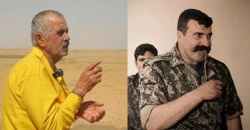
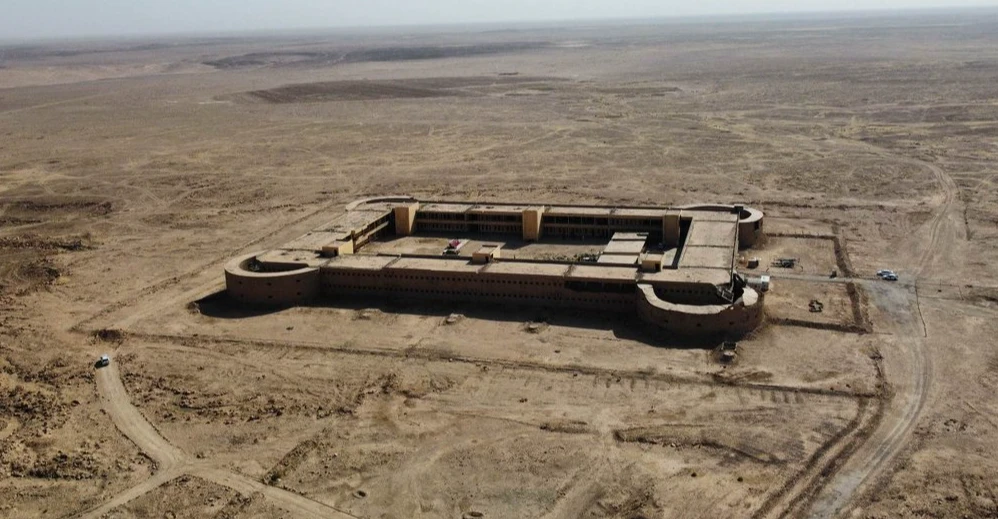
Ajaj Ahmed Hardan al-Tikriti —known as the Hajjaj of Nugrat al-Salman and also identified as Ajaj al-Abidi— was convicted of torture, murder, and rape against detainees, including women and children among Anfal victims, at Nuqrat al-Salman prison in Al-Samawah during the former regime.
Hemin Haseeb, a researcher and activist specializing in genocide prevention, told Shafaq News that al-Abidi ranks among the most notorious perpetrators linked to abuses against Kurdish Anfal victims at Nugrat al-Salman. Survivors, he said, had spent years recounting atrocities inside the facility, the torture of elderly detainees, women, and children, systematic starvation, and sexual violence against female prisoners. As prison director during that period, al-Abidi bore direct responsibility for everything that occurred within its walls.
"The ruling carries significant humanitarian and legal weight," Haseeb said. "It restores dignity to victims who endured the worst forms of torture and abuse, and confirms that crimes against humanity cannot be erased by the passage of time."
Activist Rozgar al-Barzanji welcomed the verdict as a meaningful step forward in Iraq's transitional justice process, telling Shafaq News it reflected the judiciary's willingness to confront the darkest chapters of the former regime. Justice for the victims, he said, would only be complete through the continued prosecution of all those implicated —and through the rigorous legal documentation of testimonies and evidence to ensure such crimes are never repeated.
At a press conference following the ruling, lawyers representing Anfal victims' families said the defendant had attempted throughout the trial to deny the charges. The effort failed. "The convergence of witness testimonies with investigative findings and evidence presented to the court established his full culpability," they said.
On social media, the hashtag "وانتصرت العدالة" —Justice Has Prevailed— circulated widely following the announcement of the verdict.
أحد ذوي ضحايا الأنفال يسجد شكراً لله عقب صدور حكم الإعدام بحق المجرم عجاج التكريتي. pic.twitter.com/cgfhbWtaun
— سعد شنگالي | Saad Shingali (@SaadSh1ingali) May 14, 2026
#وانتصرت_العدالة القضاء يحكم بالإعدام على عجاج التكريتيلعنة الله على صدام وجلاوزته الاوباش
— أبوالأكبر الحسني (@iq_c) May 14, 2026
Outside the courthouse, scenes of raw emotion unfolded as families of Anfal victims broke down in tears upon hearing the verdict, some embracing one another after decades of waiting for a measure of justice for what their relatives endured inside Nugrat al-Salman.
Transitional justice specialists said prosecutions of this kind are essential to entrenching accountability, preserving the memory of victims, and rebuilding trust in Iraq's judiciary, not only for Anfal survivors, but for all Iraqis who lived through the violations of the former era.
Read more: Nugrat Al-Salman horrors: 44 years Since the plight of Feyli Kurds