Fires threaten UNESCO’s Iraqi Marshes for oil exploitation


Shafaq News – Maysan
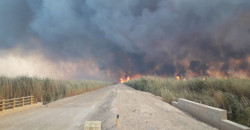
On Saturday, an Iraqi environmental activist warned of deliberate fires engulfing parts of the Hawizeh Marshes in Maysan province. These fires are clearing the way for oilfield development, endangering one of Iraq’s most precious ecosystems.
Mortada al-Janoubi told Shafaq News that the blazes are concentrated in the al-Azeem section of the marsh, reportedly set by an Iraqi company in partnership with a Chinese firm.
“The company is building embankments up to seven meters high and cutting roads through the marsh,” al-Janoubi said, stressing that dense reeds are being burned to prepare the area for development.
This site is part of Iraq’s “fifth licensing round,” signed in February 2023, which includes six oilfields and exploration blocks. China’s Geo-Jade Petroleum was awarded the Huweiza field, covering approximately 17 by 8 kilometers.
Drilling in this Ramsar-designated wetland, al-Janoubi cautioned, risks long-term ecological harm and may breach international conservation treaties.
“This is not ordinary land,” he added. “It’s a World Heritage Site that shelters thousands of species.”
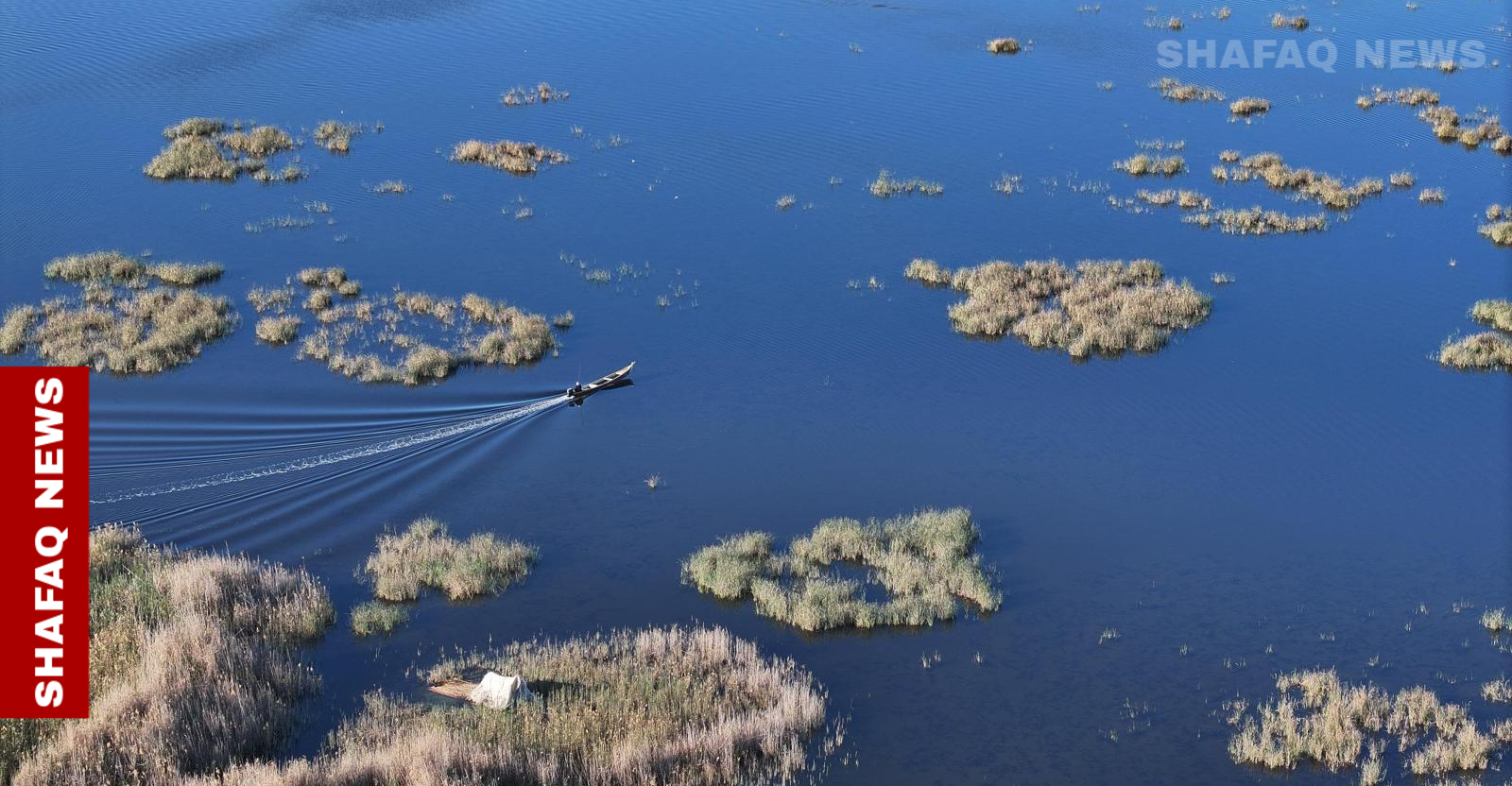
The Mesopotamian Marshes—comprising the Central Marshes, Hawizeh, and the Eastern and Western Hammar—form the largest inland wetland system in the Middle East. For centuries, these marshes have sustained fishing, buffalo herding, and reed craftsmanship, nurturing a unique cultural heritage.
In 2016, UNESCO recognized the Iraqi Marshes on its World Heritage List, highlighting their rich biodiversity and deep historical ties to ancient Mesopotamian civilizations.