Basra water "UNFIT” for human consumption, rights body warns


Shafaq News – Basra
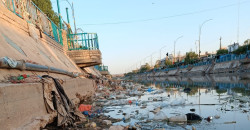
Basra’s water crisis has reached a “beyond critical” stage, the Iraqi High Commission for Human Rights warned on Thursday, citing worsening salinity, pollution, and persistent delays in long-promised infrastructure projects.
Mehdi al-Tamimi, Director of the Commission’s Basra office, told Shafaq News that conditions have become intolerable in many parts of the province—particularly in Shatt al-Arab, Abu al-Khasib, al-Faw, central Basra, and much of the northern districts—where residents are exposed to increasingly undrinkable water.
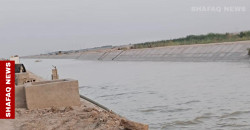
Key strategic interventions remain stalled, he added, despite earlier government pledges. Chief among them is the Hadhama pipeline, which is 95% complete and considered vital for improving water quality in affected districts.
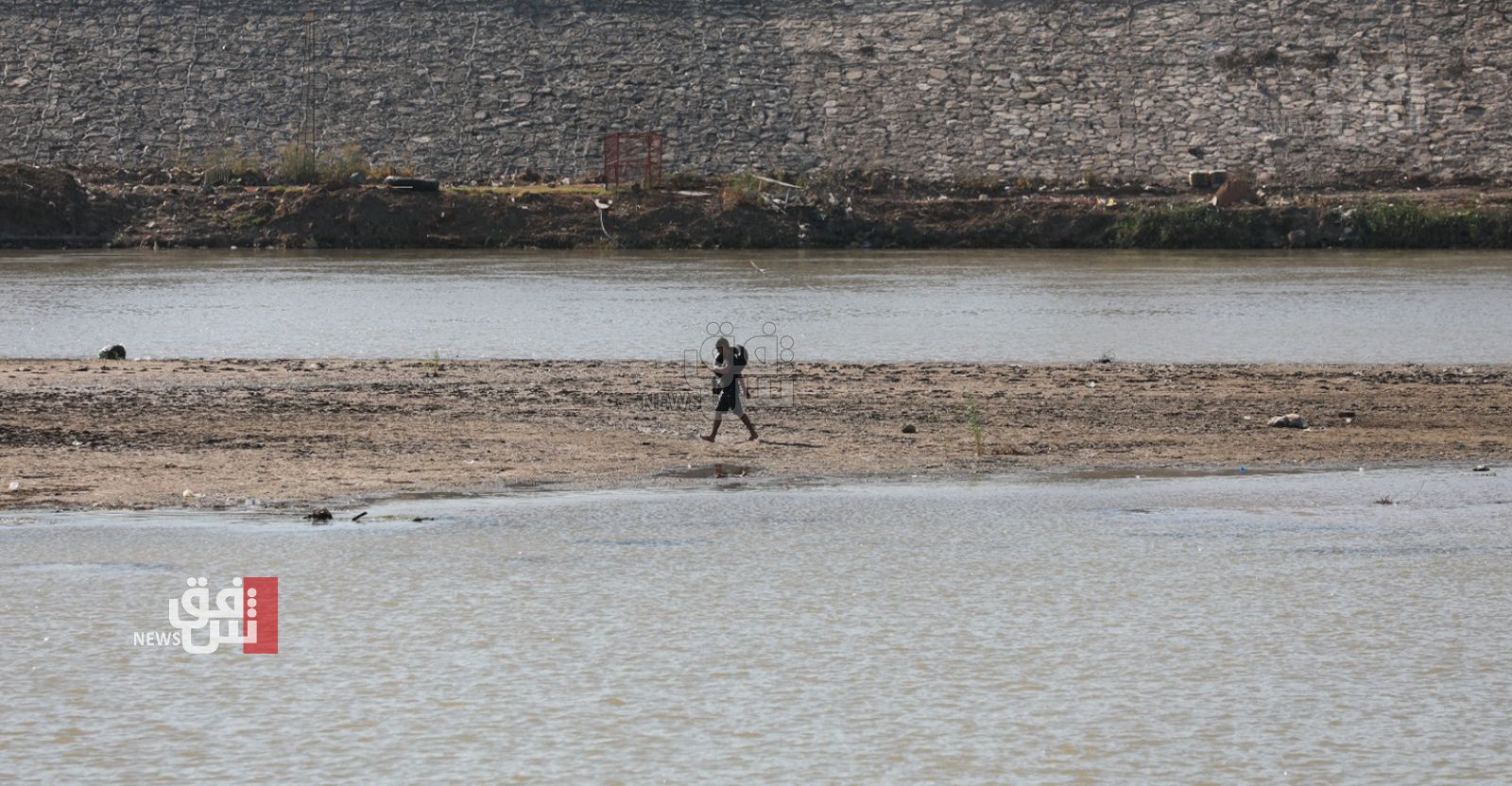
Meanwhile, salinity levels continue to spread southward from northern areas, reaching the city center and outer districts. In many neighborhoods, water delivered to homes is now deemed "unfit for human consumption" due to reduced freshwater flows and the absence of effective solutions.
Basra has endured recurring water emergencies for over a decade, due to chronic upstream damming, decreased flow from the Tigris and Euphrates, and seawater intrusion into the Shatt al-Arab have compounded the problem. In 2018, a sharp escalation in contamination led to mass hospitalizations and widespread protests.