Baghdad hosts first Yazidi studies session


Shafaq News- Baghdad
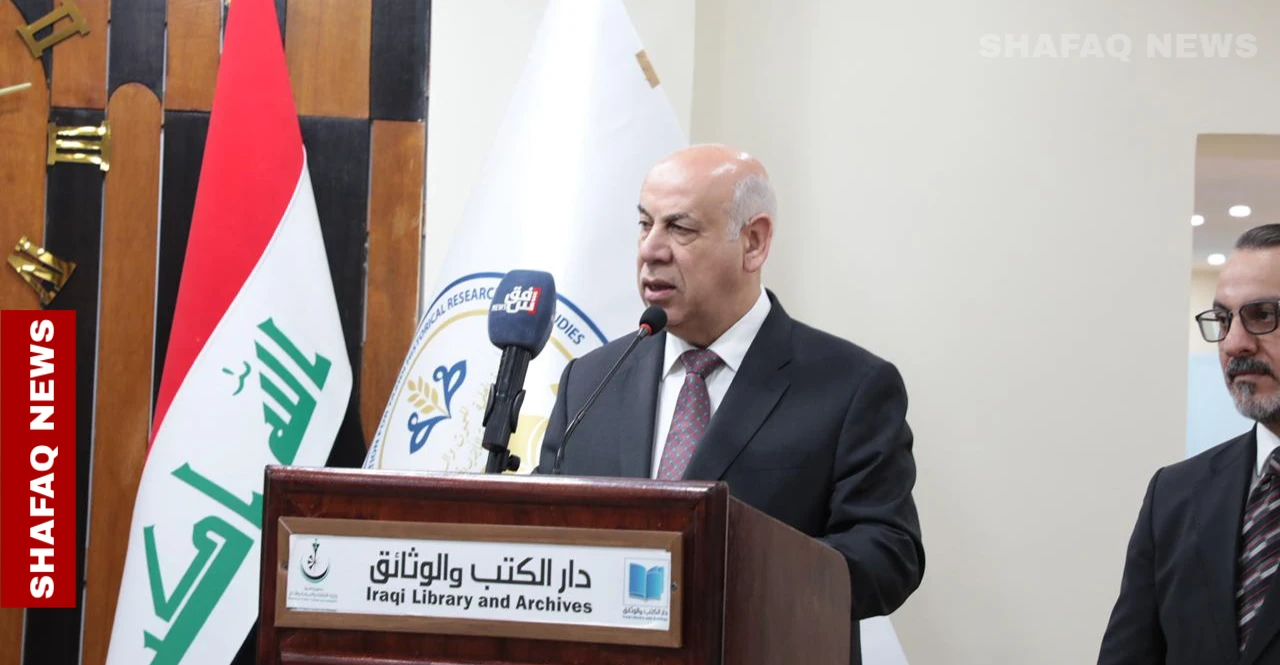
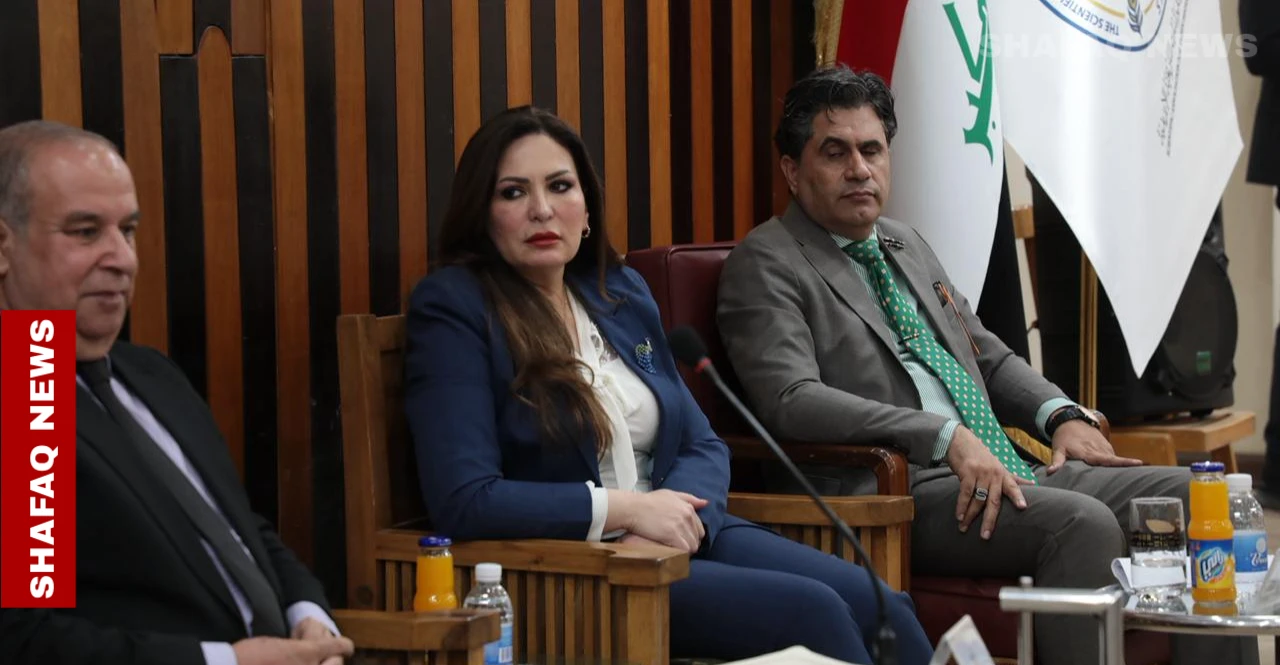
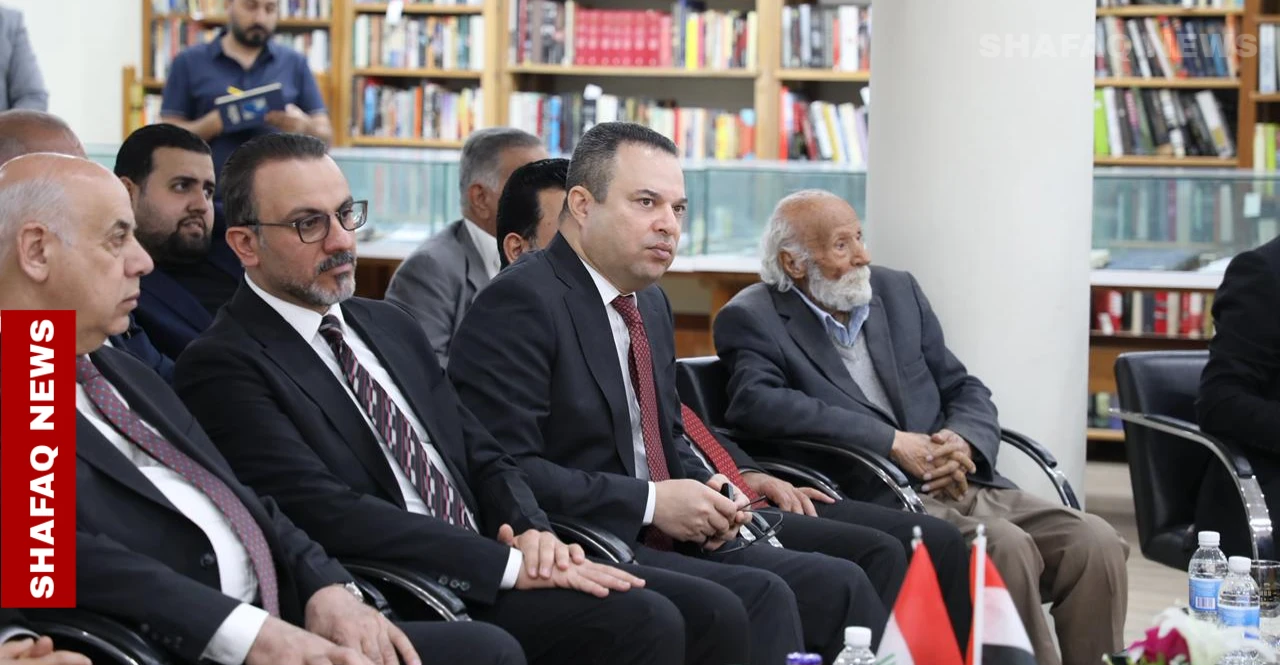
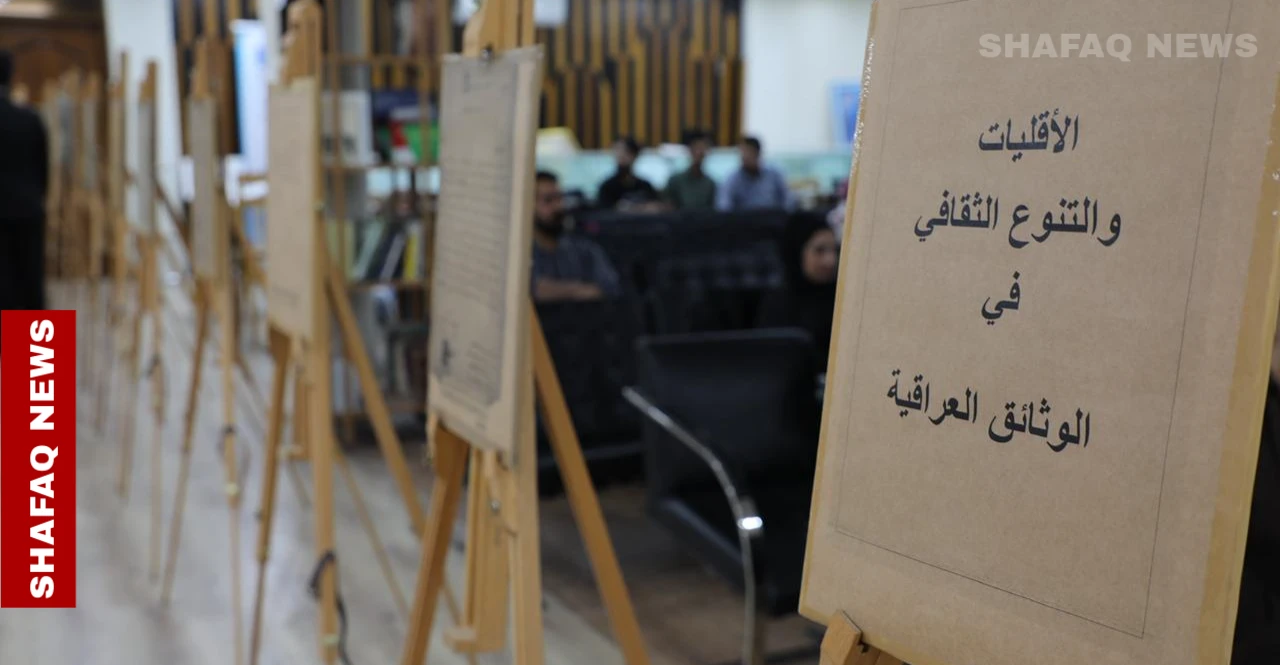
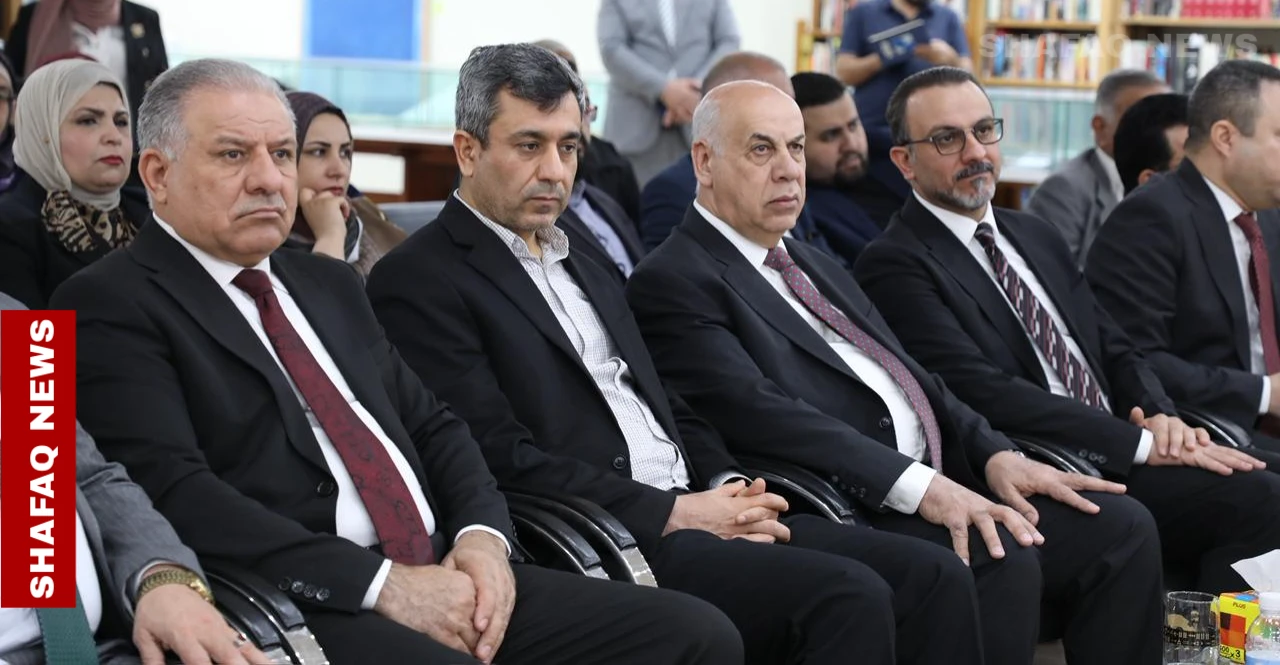
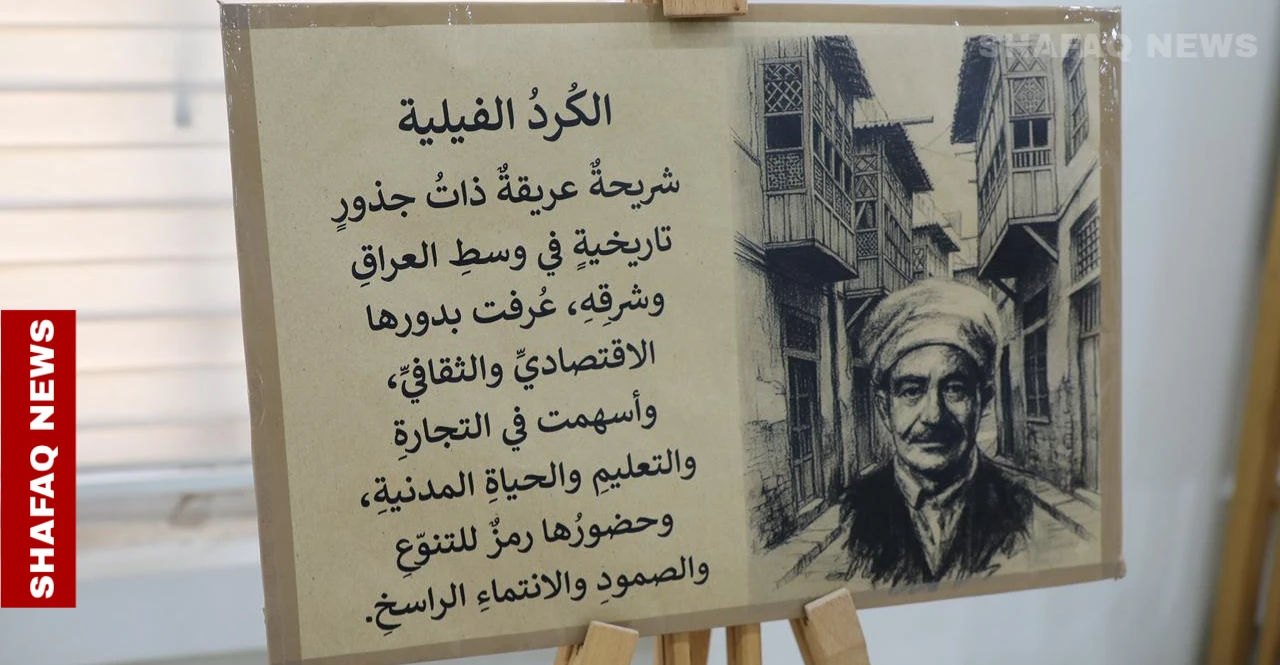
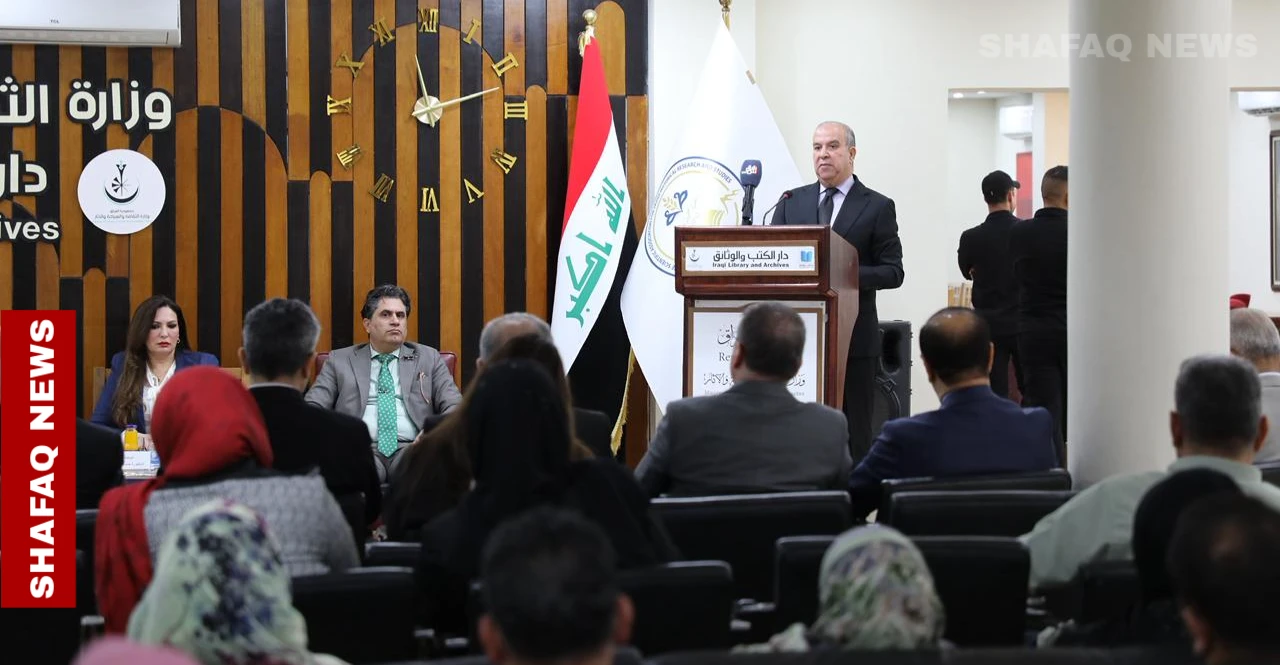
Iraq’s House of Books and Documents, affiliated with the Ministry of Culture, held the first session of the Scientific Association for Yazidi Research and Studies on Monday during a forum in Baghdad titled The Future of Yazidi Studies in Iraq and the Arab World.
The session brought together the association’s founders and
experts in religious diversity and Yazidi studies, in the presence of Culture
Minister Ahmed Fakak Al-Badrani, along with officials, researchers, and
specialists.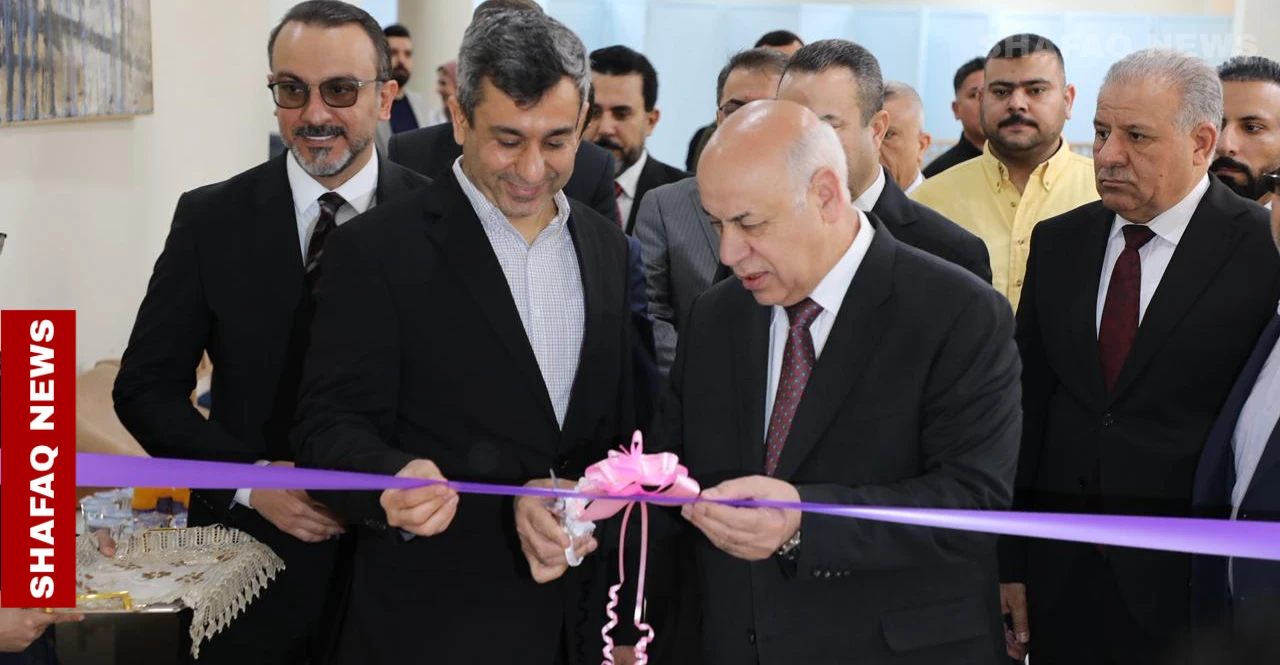
Speaking to Shafaq News, Al-Badrani described the establishment of the association as a “pioneering step,” noting that “the Yazidi community is an integral part of Iraq’s identity despite historical misrepresentations.”
Director-General of the Conference Palace Department,
Muntasir Al-Hasnawi, indicated that the Ministry of Culture seeks to strengthen
a unified national identity which includes diverse sub-identities, with the
Yazidi identity as a core component of Iraqi society. He also called for
development and reconstruction in Sinjar based on justice and equality.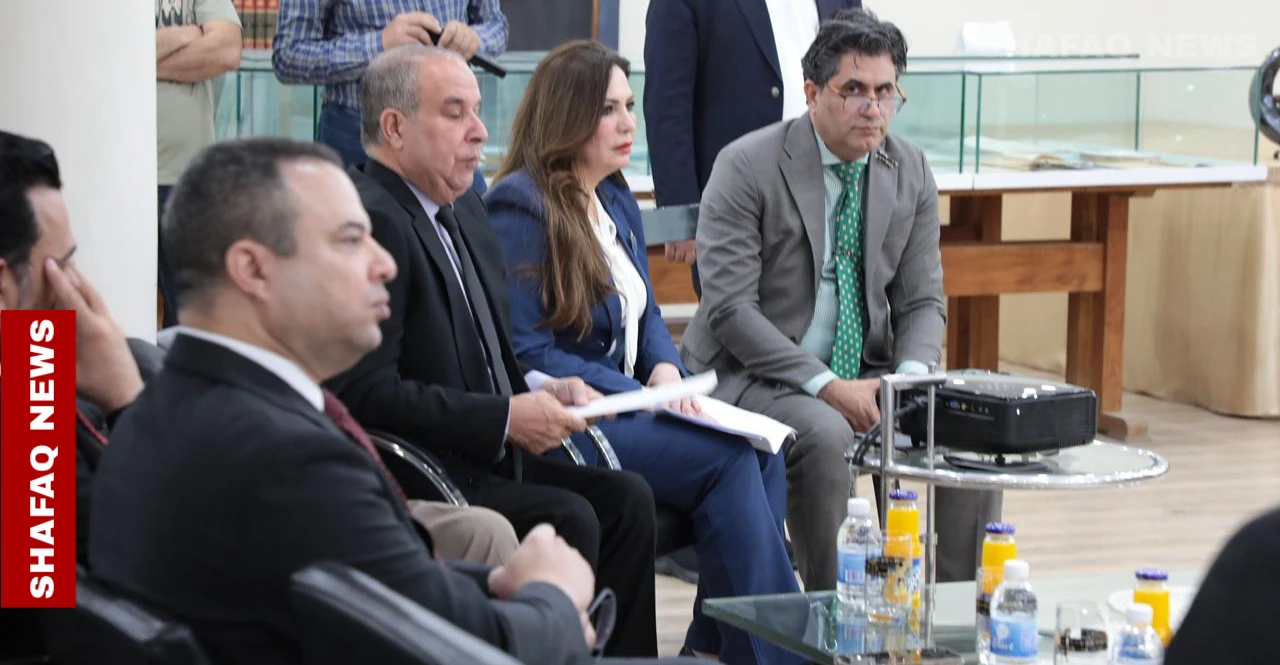
MP Murad Ismail Hassan told Shafaq News that perceptions of the Yazidi community have improved following the genocide they endured, pointing out that more work is needed, particularly through serious academic research to address both material and psychological consequences. He noted that Yazidis often feel marginalized or unwelcome, citing personal experiences of discrimination based on religious beliefs.
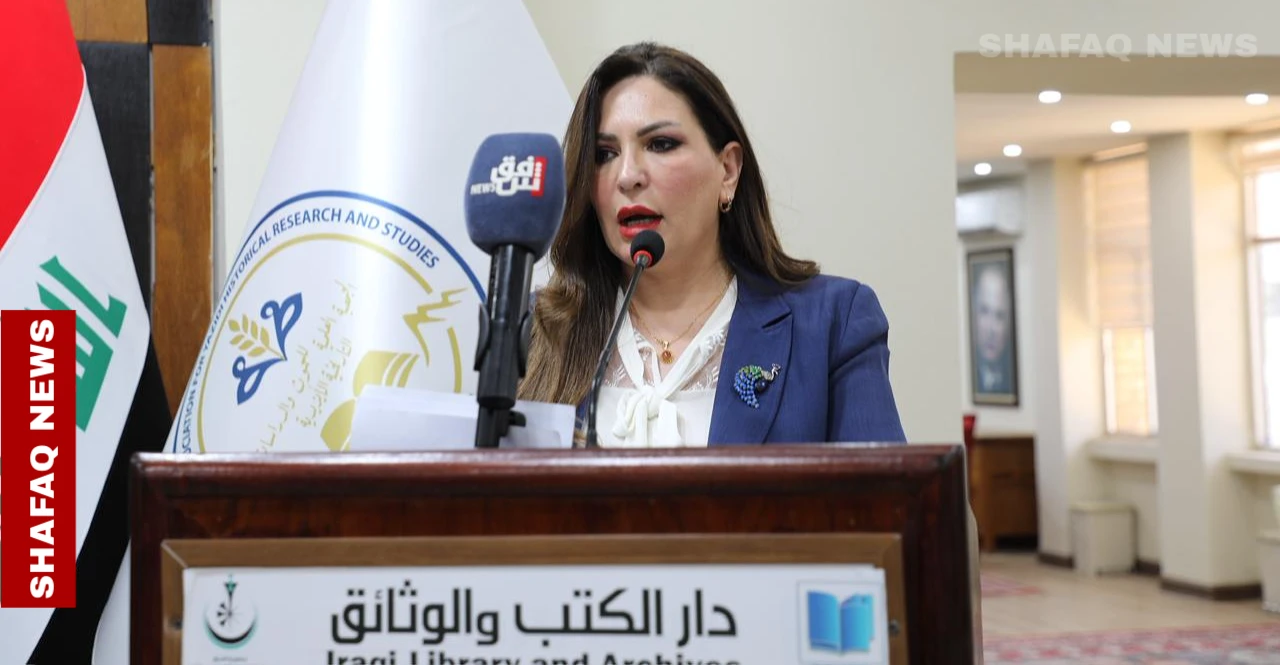
According to the Head of the Association, Yusra Khalil, “the
initiative is based on a rigorous scientific approach focused on documentation
and specialized studies, as well as supporting researchers at local, regional,
and international levels.” She added that the association aims to build
partnerships to advance research and address humanitarian issues.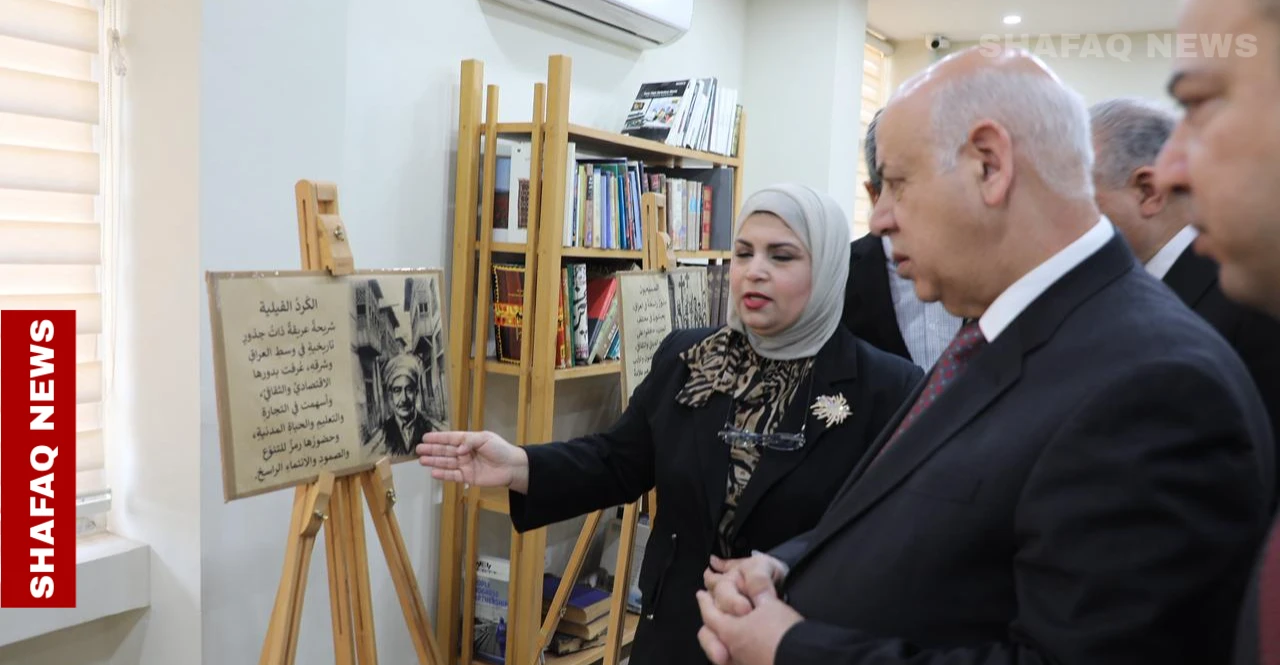
Highlighting challenges facing Yazidi women, academic Mouj Youssef pointed to legal issues related to children born under complex circumstances. She called for legislation to protect their rights and emphasized the need for psychological rehabilitation and social reintegration, while also noting limitations on academic freedom when addressing sensitive topics, stressing that expanding research freedom is essential to understanding and addressing the challenges facing the Yazidi community.
Read more: Yazidis struggle to return home a decade after ISIS atrocities