Assyrian Lamassu uncovered in Nineveh, scholars dispute novelty


Shafaq New - Nineveh
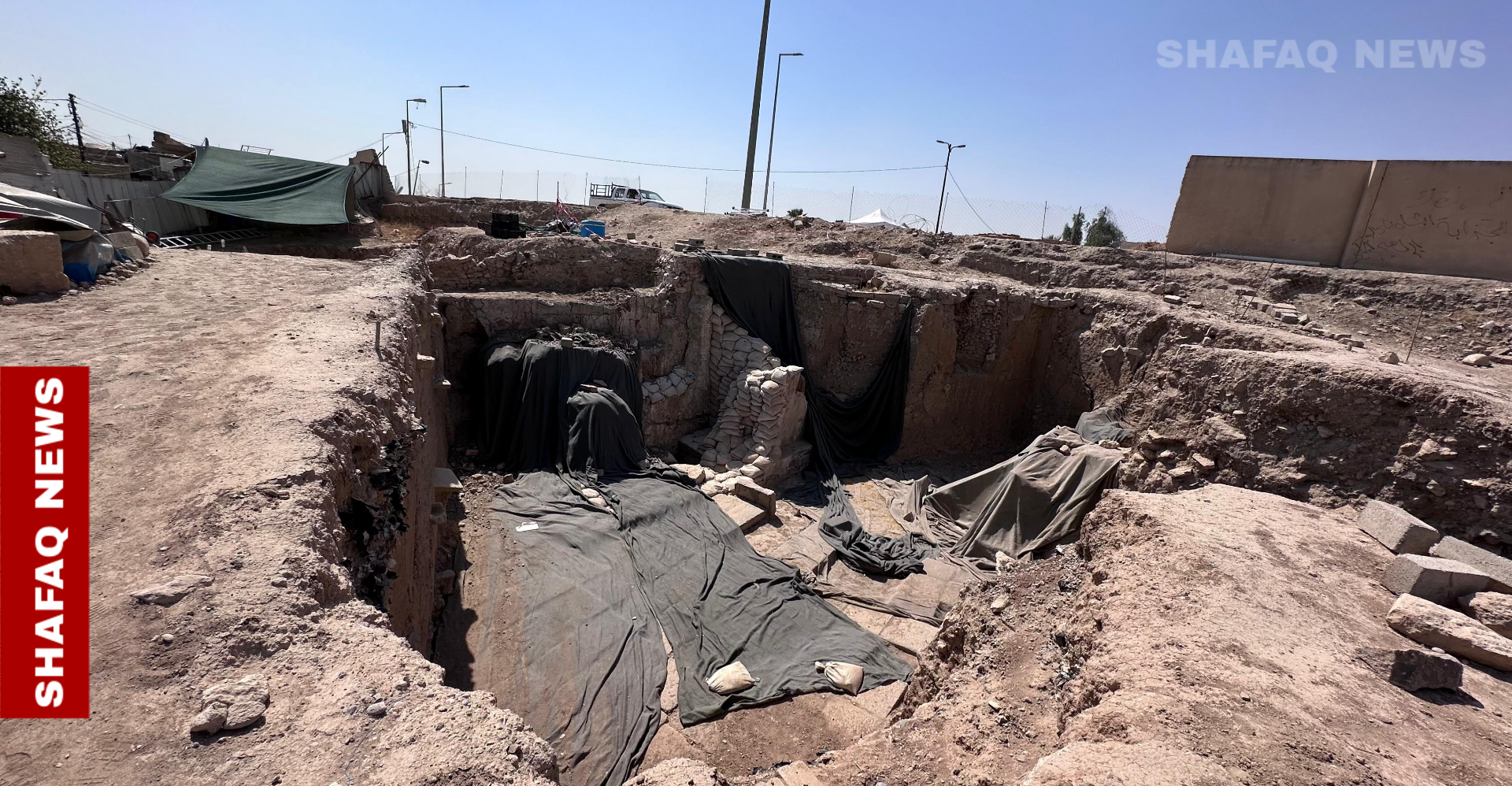
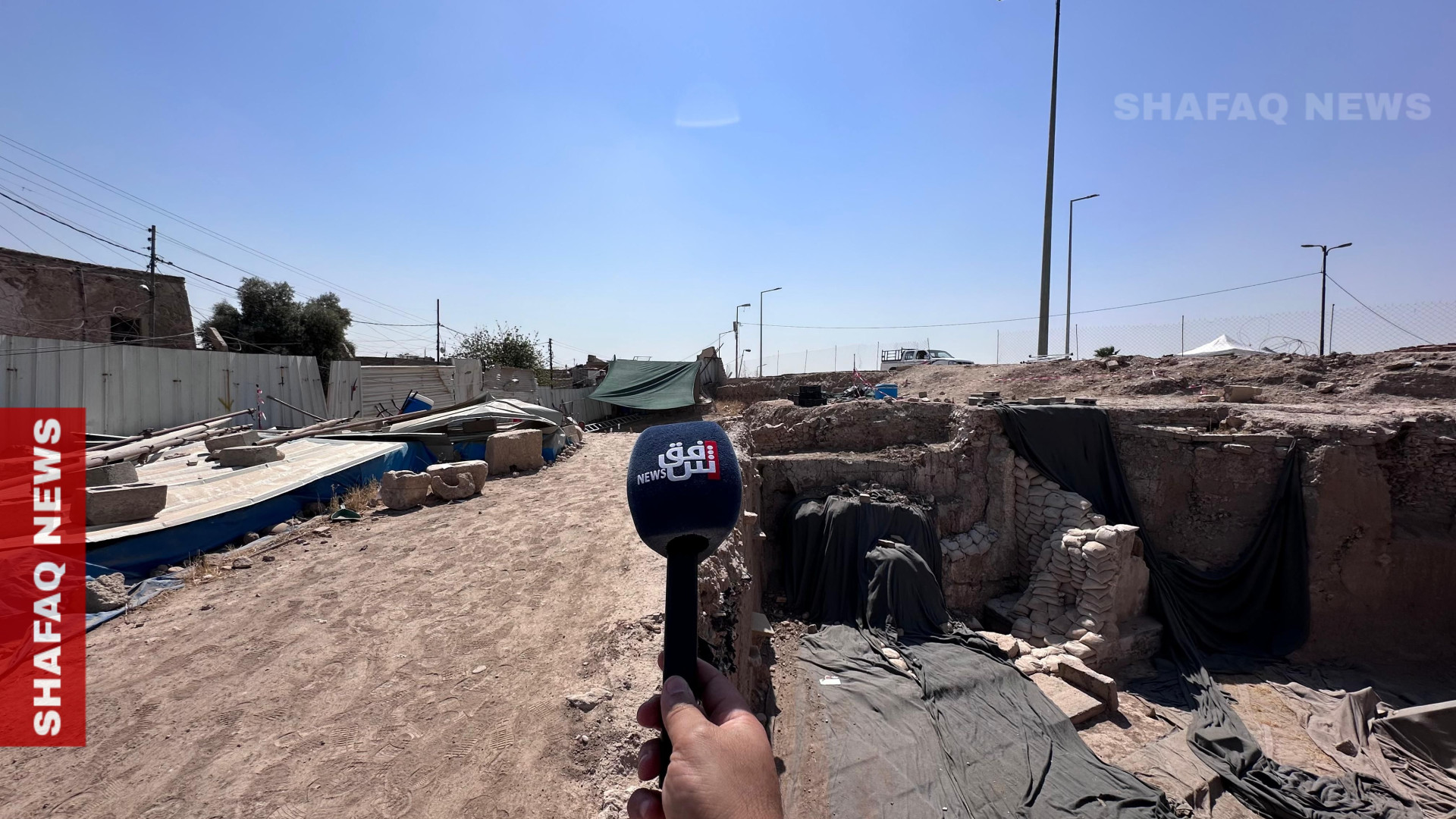
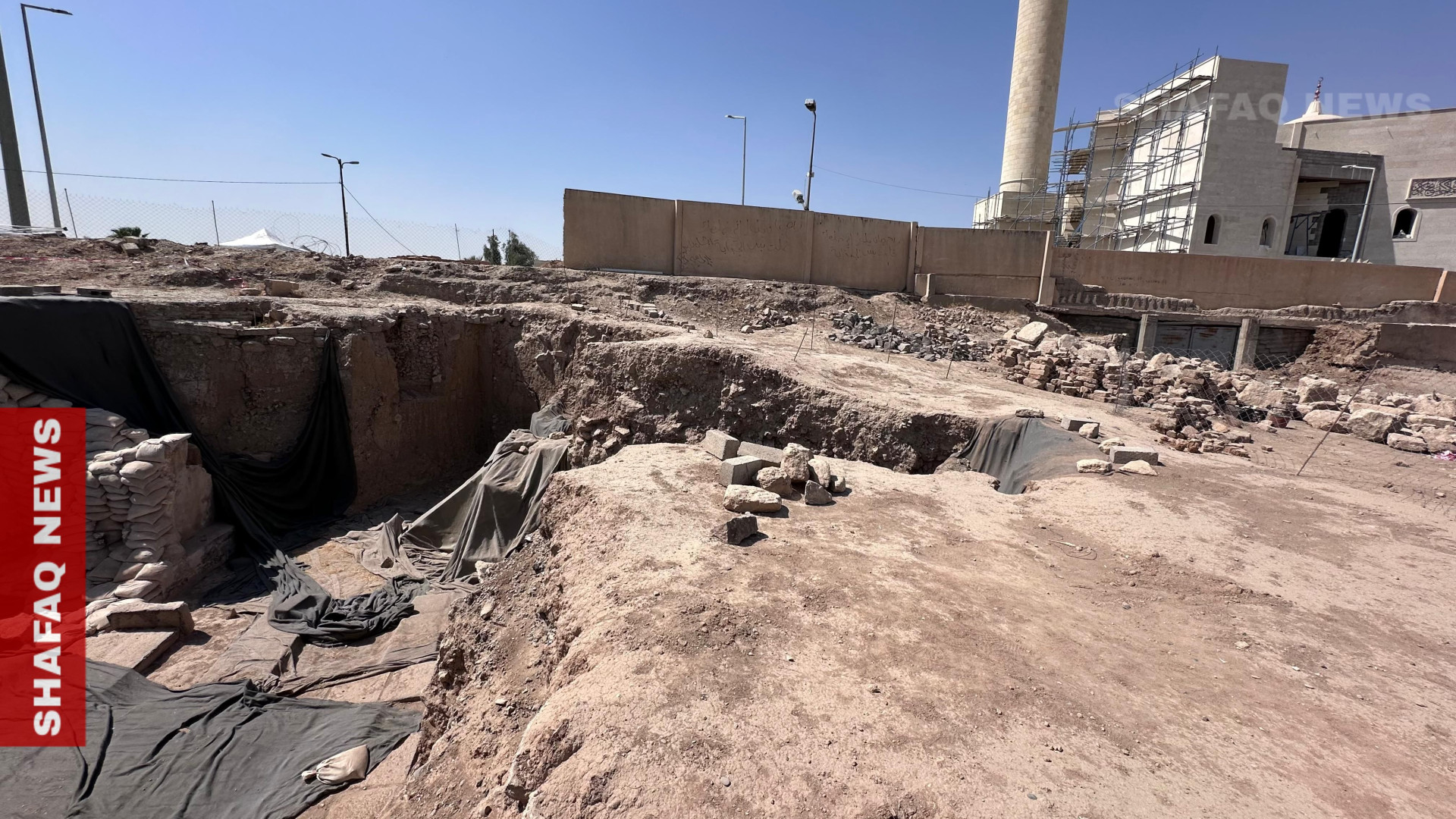
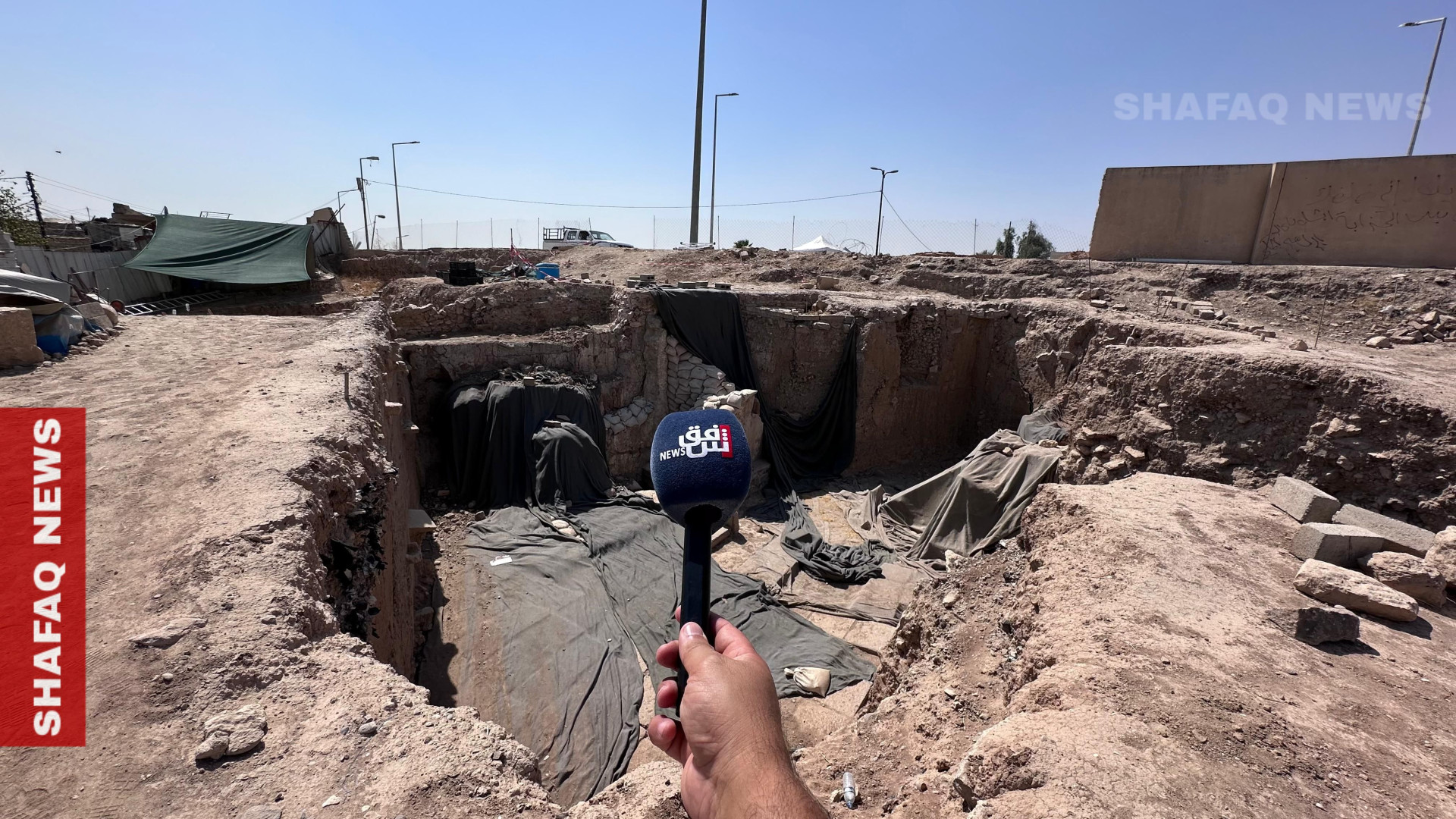
Archaeologists uncovered a massive Assyrian winged bull, or Lamassu, in Nineveh, though the site has reportedly been known for decades.
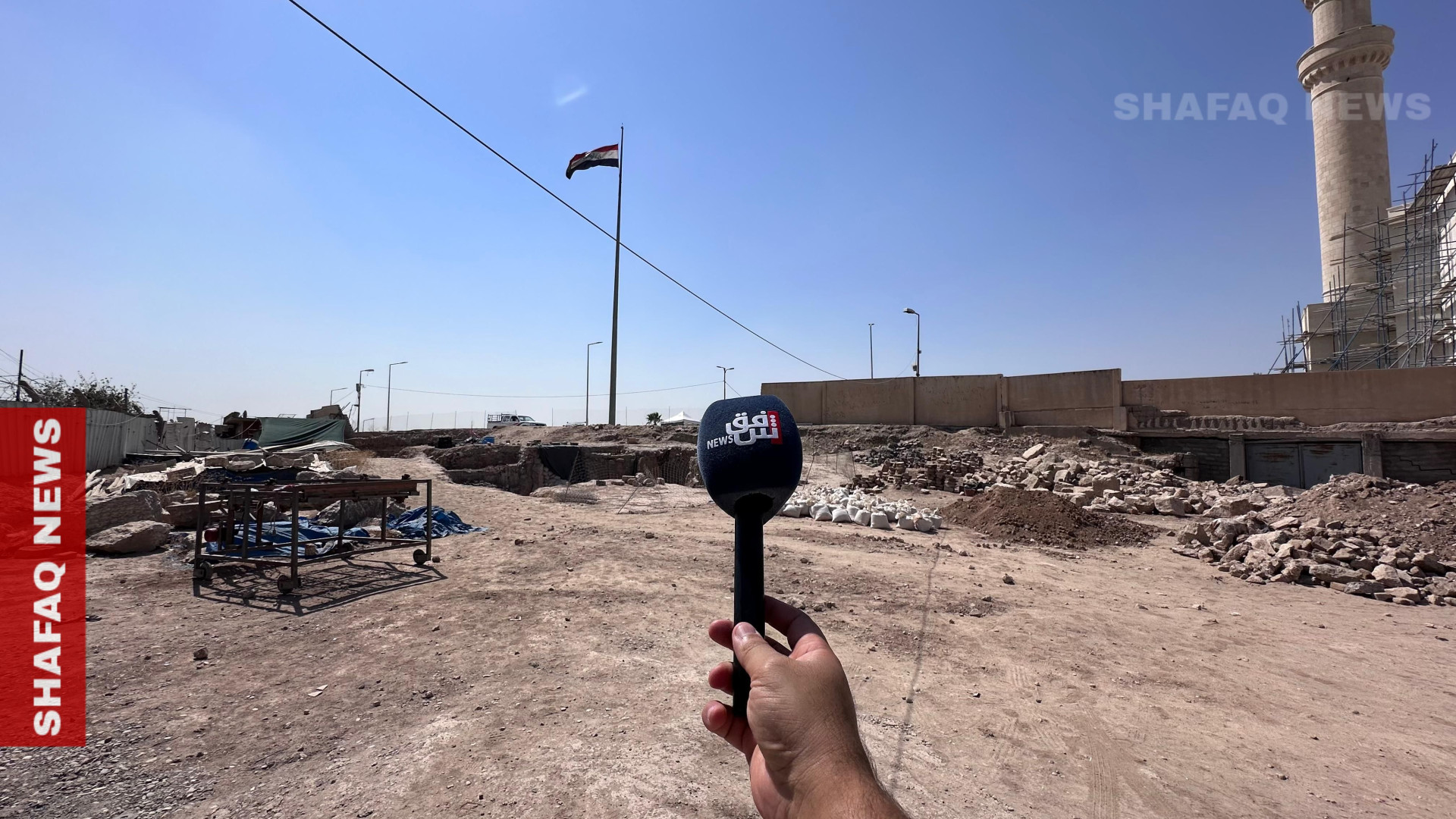
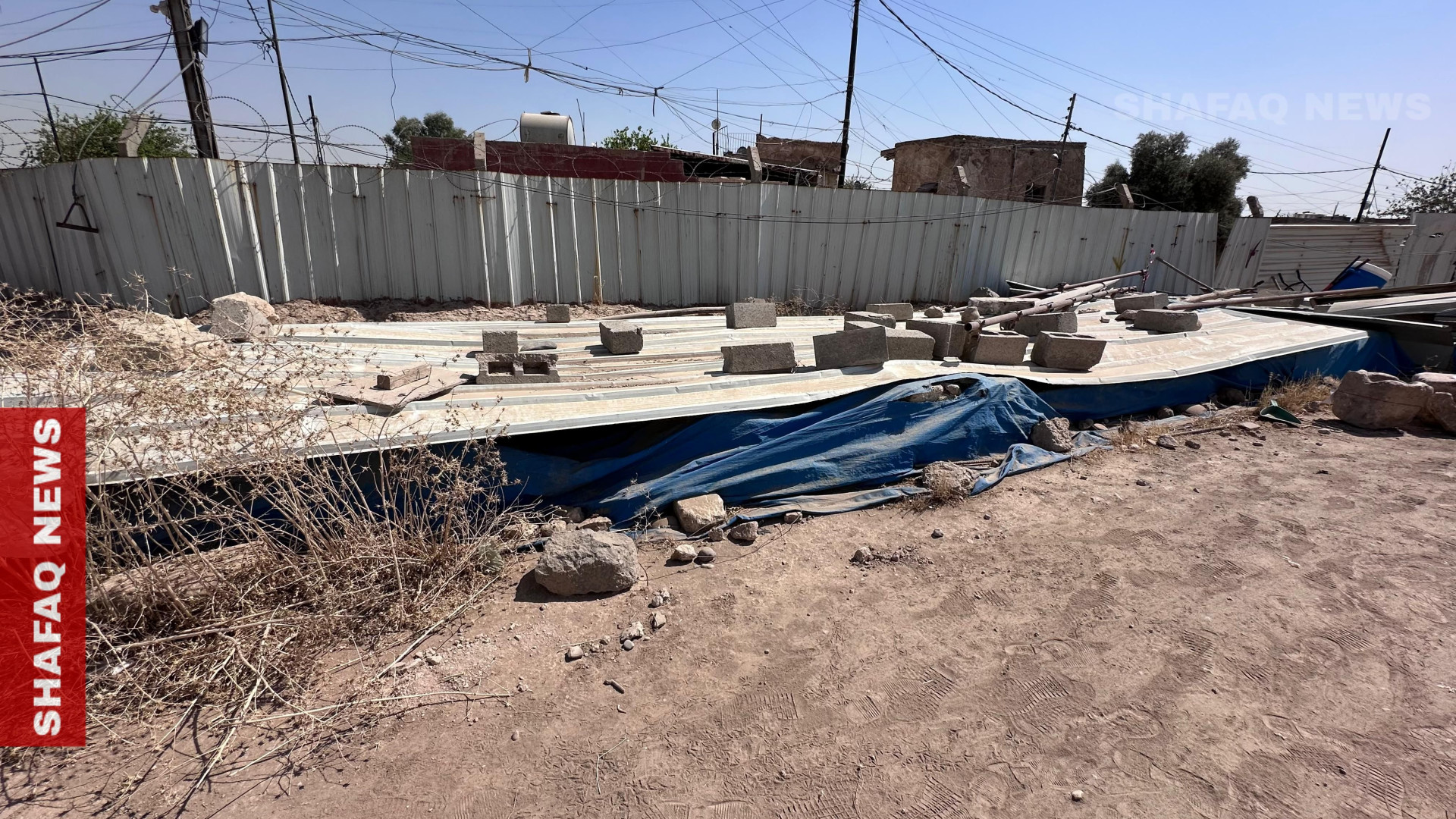
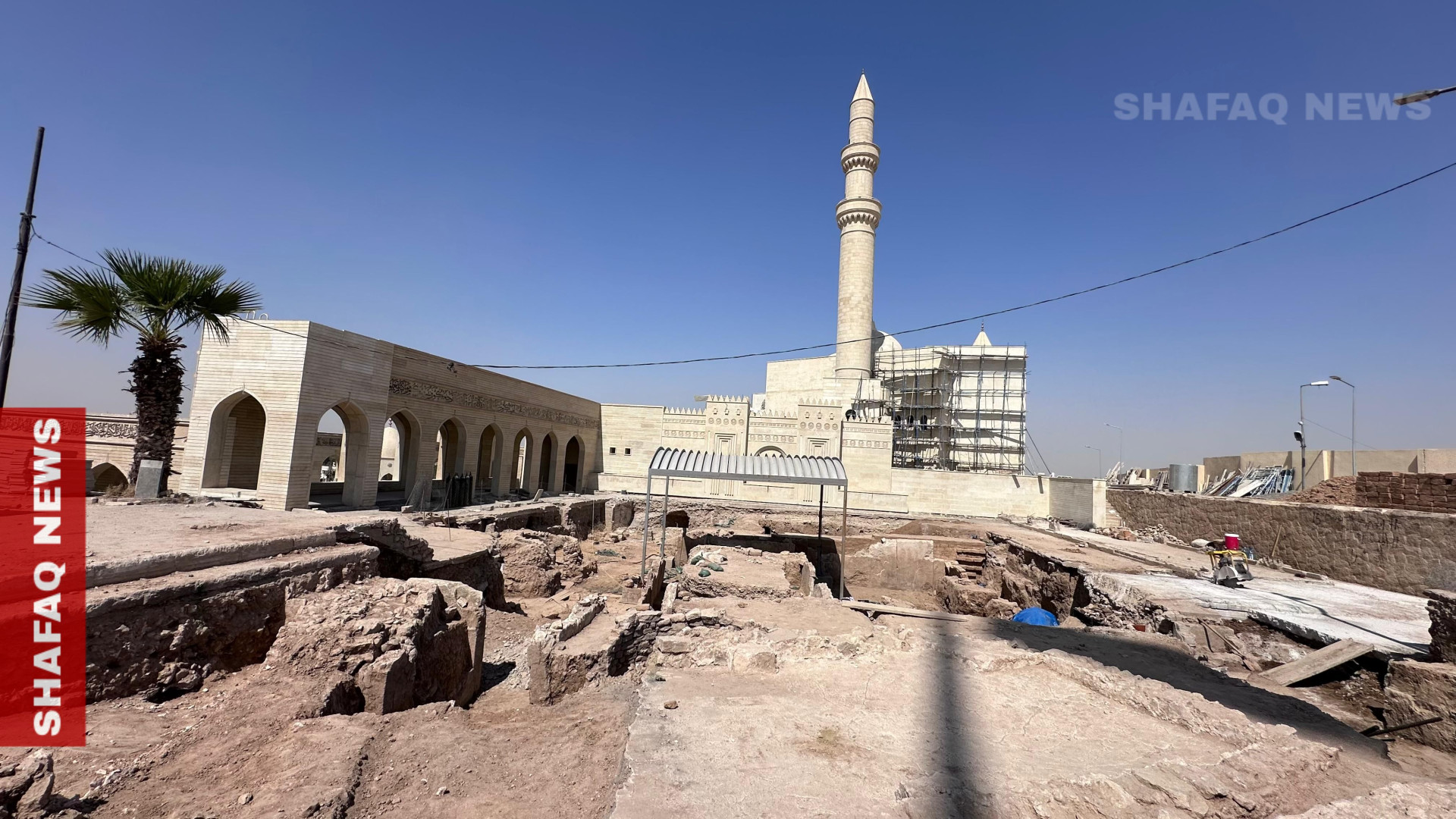
In a conference on Friday, Iraq’s Minister of Culture, Tourism and Antiquities Ahmed Fakak al-Badrani said that a joint German–Iraqi team also revealed the throne room of King Sennacherib’s palace at the Nabi Yunus site in Mosul.
Al-Badrani added that paired Lamassu statues traditionally stood at the entrances of Assyrian palaces, symbolizing power and protection.
The newly exposed winged bull measures nearly six meters in height, according to the minister.
However, archaeologists at Mosul University’s Department of Antiquities contested the characterization of the find as entirely new. They told Shafaq News that Iraqi experts had identified the site in the 1970s, and previous foreign excavation seasons had already documented parts of the same structures. “What is being presented now is more of a re-exposure of earlier discoveries rather than a completely new find,” one academic explained.