Climate crisis will cause falling humidity in global cities
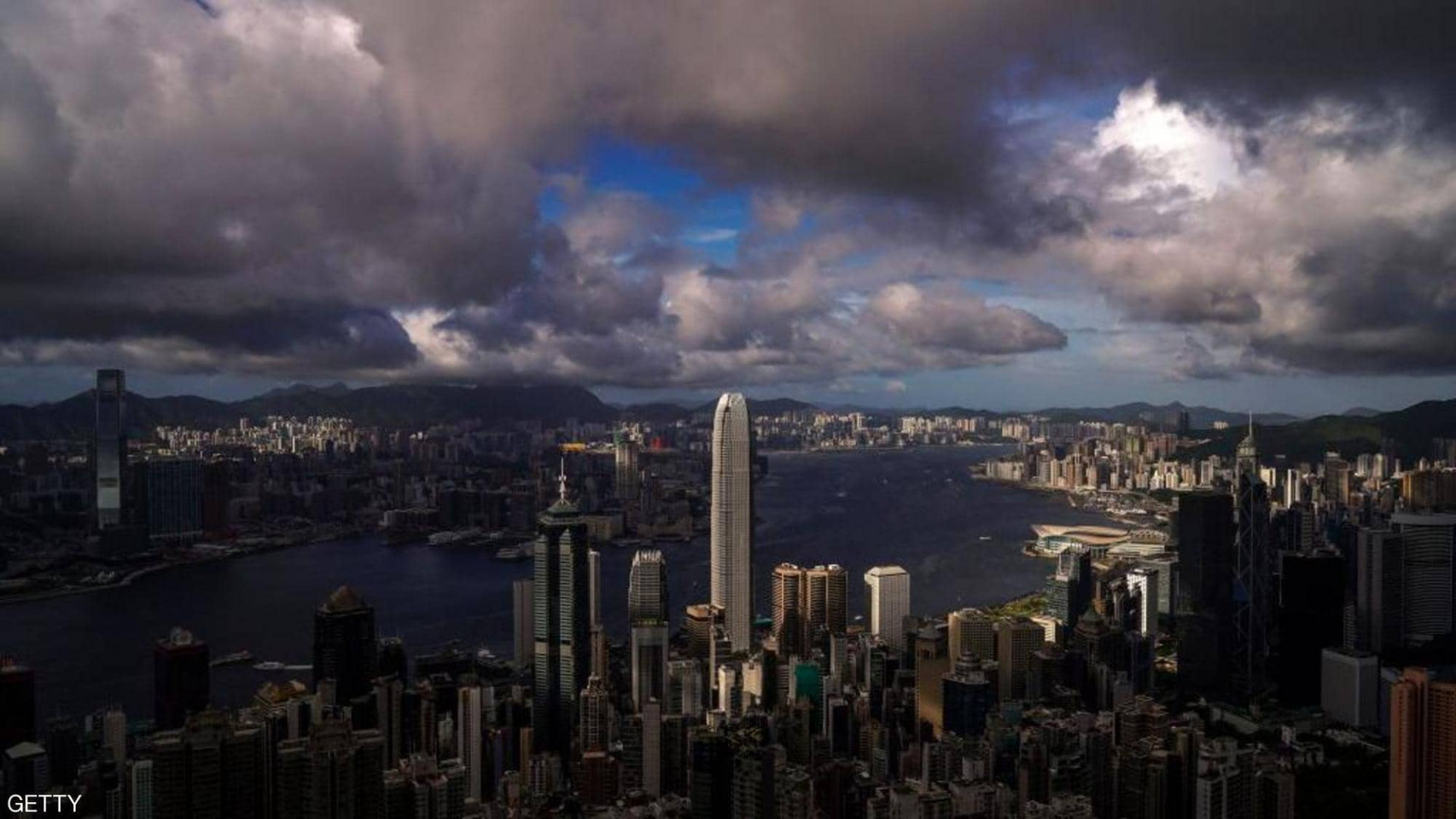


Shafaq News/ Urban regions around the world are likely to see a near-universal decrease in humidity as the climate changes, a study has found.
The research –as the Guardian stated- suggests that building green infrastructure and increasing urban vegetation might be a safe bet for cities looking to mitigate against rising temperatures.
Half of the world's population lives in urban areas, but cities only account for about 3% of global land surface. Lei Zhao, a scientist from the University of Illinois and the lead author of the paper published in Nature Climate Change, says this has meant that previous climate models have not produced data specific to cities.
"Almost all the models do not have urban representation," Zhao said. "Although cities occupy such a small area, that's where a lot of the human impact [of global warming] takes place. So we closed this gap by providing multi-model climate projections which are specific to urban areas.”
Scientists and concrete planners have recognized for a very long time that temperatures in cities are larger than in rural areas. Infrastructure resembling darkish asphalt and concrete surfaces take up extra photo voltaic radiation, whereas diminished tree protection contributes to what’s referred to as the “urban heat island effect”. This implies that temperatures in cities could be as much as 5C (9F) hotter than in the encircling rural areas.
However, Zhao explains that city and rural climates differ in extra methods. “The urban heat island is one of the reasons why urban warming signal is different from other landscapes,” Zhao mentioned. “But it’s not just temperature, it is also humidity. A lot of urban climate variables are different from other landscapes.”
The mannequin predicts that inexperienced infrastructure could be funding for practically all cities. Trees and vegetation assist to cut back temperature by releasing water into the environment, which cools down the air. This was seen as having a restricted impact in locations that are already humid, however the brand new mannequin predicts that air in most non-coastal cities will change into drier in the subsequent century.
This would make floor evaporation extra environment friendly, which means elevated ranges of city vegetation could be more practical at preventing global heating.
Zhao hopes the information will permit city planners and policymakers to make extra knowledgeable selections about mitigating rising temperatures in their cities.
“Some strategy might work for a city, but not necessarily for your city,” he mentioned. “When you look at large-scale projections, you can see if the warming signal is different from other places, and how humidity levels vary, so it can help you form the strategy differently.”