The War that Never Ends: A century in Palestine


Shafaq News
The Gaza war of 2023 did not begin on October 7. It began in the camps of 1948, in the curfews of 1967, and in the checkpoints that split families into two.
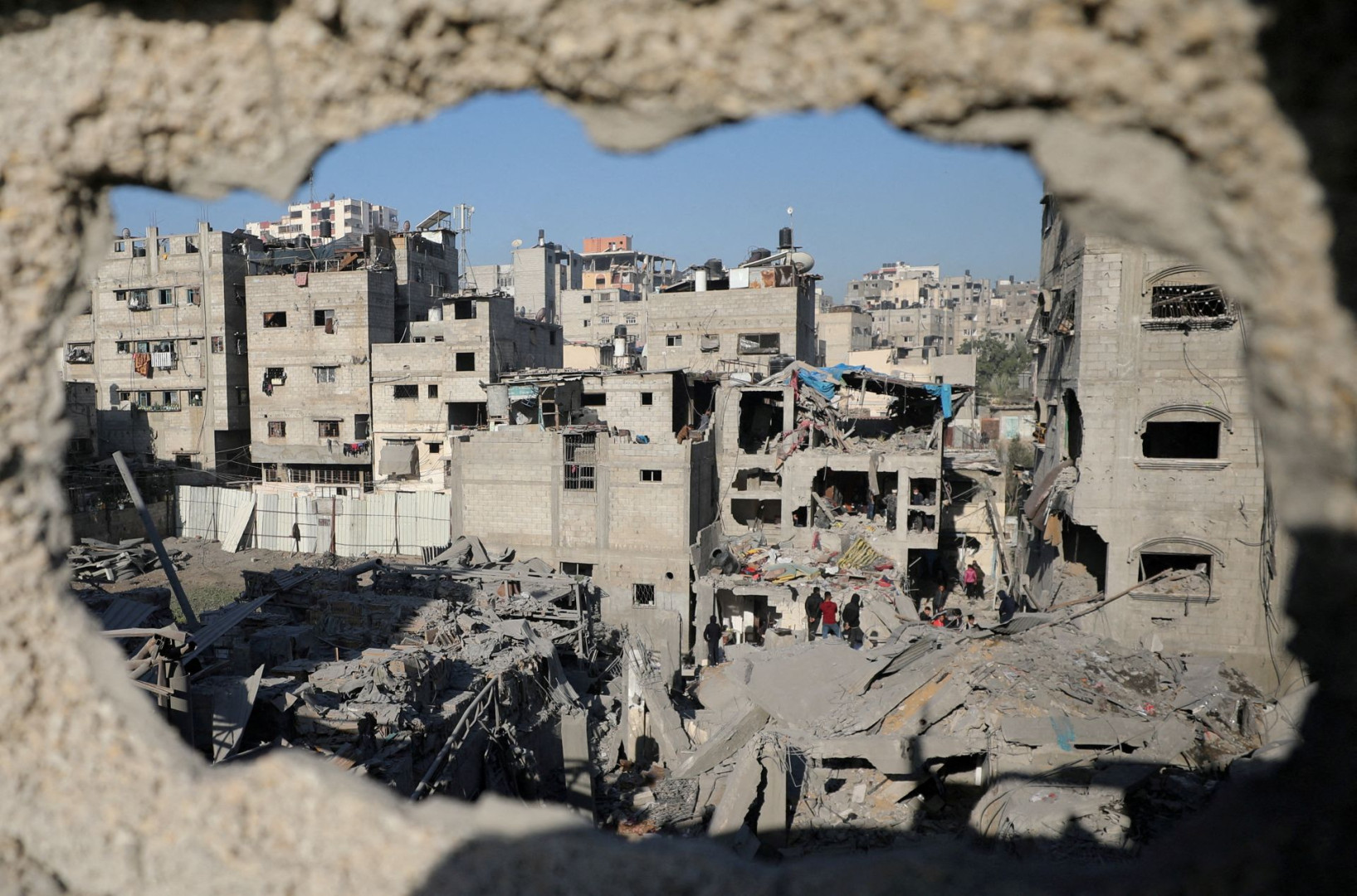
Hamas’s assault pierced Israel’s sense of security; Israel’s response erased entire neighborhoods, burying children under the ruins of homes built by refugees from an older war. The world called for calm — the same word it used each time before.
In Gaza, silence is only the space between explosions. Hospitals run on empty tanks; families live on rationed bread and water. The displaced pitch tents on the same sand where their grandparents once fled. Each war resumes the last, and each truce expires before it begins.
The Paper That Divided the Land (1917–1948)
The first shot was ink. In 1917, Britain’s Balfour Declaration promised a “national home for the Jewish people” in Palestine without consulting its Arab majority. The League of Nations, the United Nations’ predecessor, turned that line into law, tasking Britain to foster Jewish immigration while “protecting” native rights — two missions that could not coexist.
As Europe descended into fascism, Jewish refugees arrived in waves, buying land from absentee landlords. Peasants became trespassers in their own fields. By the 1930s, revolt spread, but Britain crushed it and jailed its leaders.
Then came 1947, and the UN voted to partition Palestine. Jews, one-third of the population, were granted more than half the land. The Jewish Agency accepted; Arab leaders refused. Violence followed.
On May 14, 1948, Israel declared statehood. The next day, Arab armies invaded. By year’s end, the borders and the balance were gone.
The Nakba: When Home Became Memory (1948–1967)
For Palestinians, 1948 was less a war than an erasure. Three-quarters of a million people were expelled or fled. Over 400 villages vanished. UN Resolution 194 affirmed their right to return, yet it was never enforced.
The refugees built lives from canvas and ration cards. “Temporary camps” hardened into permanent cities of loss. Under Jordanian and Egyptian control, Palestinians lived without a state, their identity defined by what they had lost.
Out of that void, the Palestine Liberation Organization (PLO) was born in 1964 — a government without territory, representing a people without borders. Three years later, the last fragments of their land were occupied again.
Occupation: Control Without End (1967–1993)
Israel’s six-day victory in 1967 placed all of Palestine under its control. UN Resolution 242 demanded withdrawal from occupied lands; none followed.
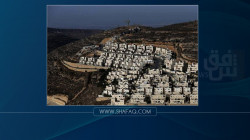
Israel built settlements across the West Bank and Gaza. In 1979, the UN declared them illegal, but expansion continued. Life under occupation meant permits, curfews, and military courts.
In 1987, the First Intifada erupted — a generation of youth confronting soldiers with stones and slogans. The uprising, televised and relentless, forced both sides to the table after decades of silence.
The Mirage of Peace (1993–2000)
Oslo promised statehood. It delivered administration. The 1993 accords created the Palestinian Authority and the illusion of progress: Flags were raised, but borders stayed closed, settlements doubled, and movement remained under Israeli control.
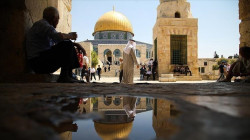
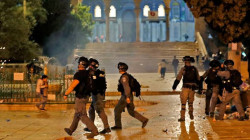
By 2000, peace collapsed at Camp David. Ariel Sharon’s visit to Al-Aqsa Mosque triggered the Second Intifada. Hope turned to smoke.
Walls and Blockades (2000–2023)
The Second Intifada killed more than 4,000 Palestinians and 1,000 Israelis. Israel reoccupied West Bank cities and built a barrier through Palestinian land. In 2004, the International Court of Justice ruled it illegal. It still stands.
Israel withdrew from Gaza in 2005. Two years later, Hamas seized control; Israel and Egypt sealed the borders. The Red Cross called the blockade collective punishment.
Three wars followed — 2008, 2012, 2014 — each ending in rubble. By the 2020s, more than 620,000 settlers lived beyond the Green Line. The two-state solution survived only on paper.
The Fire of 2023 (2023–2025)
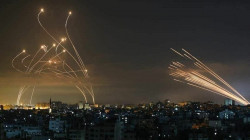
On October 7, 2023, Hamas launched a coordinated assault, killing about 1,200 Israelis and taking hostages. Israel declared war.
Bombardment flattened entire districts. A total siege cut off water, food, and fuel. By October 2025, the Health Ministry in the strip reported about 70,000 Palestinians killed and nearly all of Gaza’s population displaced. The UN called it “a graveyard for children.”
The International Criminal Court issued warrants for leaders from all sides over alleged war crimes. In 2025, talks in Egypt focused on rebuilding ruins, not resolving causes.
The Constant: Endurance
Across a century of promises — Balfour, Oslo, normalization — the outcome remains the same: Palestinians under occupation, Israelis paranoid, and the world calling for restraint while nothing changes.
Each generation inherits a single truth: justice deferred becomes survival.
Palestinians endure through memory; Israel endures through might. Between them lies the silence of the international community — a silence measured in decades.
History in Palestine does not repeat itself – it refuses to end.
Written and edited by Shafaq News staff.