Iraqi Police battle legal gaps and tribal power


Shafaq News – Baghdad
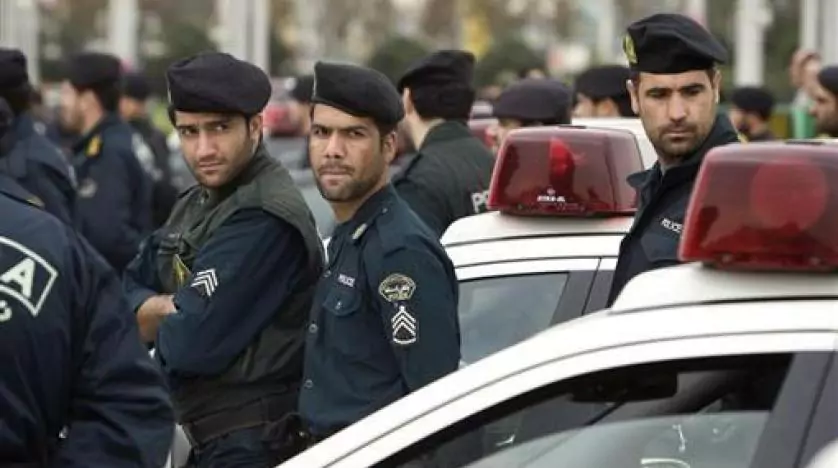
Iraqi police continue to suffer heavy casualties in tribal disputes and armed confrontations, raising concerns about the force’s vulnerability within the country’s security apparatus.
In recent days, two federal police officers were killed and five others injured while attempting to end an armed tribal conflict in eastern Baghdad. According to the Interior Ministry, the unit came under direct fire during the operation in the al-Saada area.
Tribal disputes, criminal pursuits, and arrests of high-profile suspects represent some of the gravest risks for police forces. While security agencies remain central to state stability, tribal clashes often escalate into battles involving medium weapons and mortars, particularly in southern provinces such as Maysan, Dhi Qar, and Basra, where tribal arsenals sometimes surpass police firepower.
Interior Ministry spokesman Abbas al-Bahadli told Shafaq News that the ministry is “determined to enforce the law and assert the authority of the state against anyone who threatens public security and community peace.” He highlighted major achievements in crime prevention, counter-narcotics operations, and the arrest of key drug traffickers, stressing that tribal conflicts now rank alongside terrorism and cross-border crimes in the ministry’s priorities.
Al-Bahadli noted that the recent attack on police officers was complicated by the presence of women and children used as human shields, preventing security forces from storming a house under fire. “Police will not abandon their duties or submit to tribal pressure,” he added, citing 166 arrests carried out in Baghdad’s al-Rashad and al-Ma’amel districts in recent operations targeting drug traffickers, thieves, and armed groups.
Security analyst Sarmad al-Bayati warned that “officers often face ambushes from hidden firing positions or sudden armed assaults inside residential areas, which leaves them exposed to serious losses.” He called on the government to provide advanced weapons, better field training, and stronger institutional protection against tribal retaliation.
Tribal leaders, meanwhile, insist they stand behind the state. Sheikh Nafe’ Faiq of the al-Bu Shama tribe told Shafaq News that Iraq’s clans “stand as one with the security forces in enforcing the law and strengthening state authority,” rejecting any attack on police. He dismissed claims of widespread tribal settlements in cases involving security personnel, describing them as rare exceptions.
Legal experts argue that outdated legislation is another factor undermining the police. Consultant lawyer Kamil Wadi told Shafaq News that “Iraq still relies on the Penal Code of 1969, forcing police to apply outdated provisions to modern crimes,” pointing out that the absence of updated legal tools leaves officers exposed in complex tribal disputes, where existing laws fail to protect them.
“The lack of modern policing legislation has created dangerous gaps that neither the government nor parliament has seriously addressed, despite repeated tragedies,” Wadi added.
A federal police officer, speaking on condition of anonymity, told Shafaq News that bureaucratic delays often weaken response. “In many incidents, we cannot intervene without direct orders from superiors, which costs precious time in armed disputes or terror attacks,” he said. Fear of reprisals in southern regions with strong tribal influence also discourages officers from acting decisively.
The officer warned that unless the government closes the legal gaps, modernizes police protection laws, and strengthens coordination with tribes, Iraq’s police will remain “the weakest link in the country’s security system.”
Written and edited by Shafaq News staff.