Kurdistan’s Al-Sulaymaniyah: Residents link new oil deal to fair pay
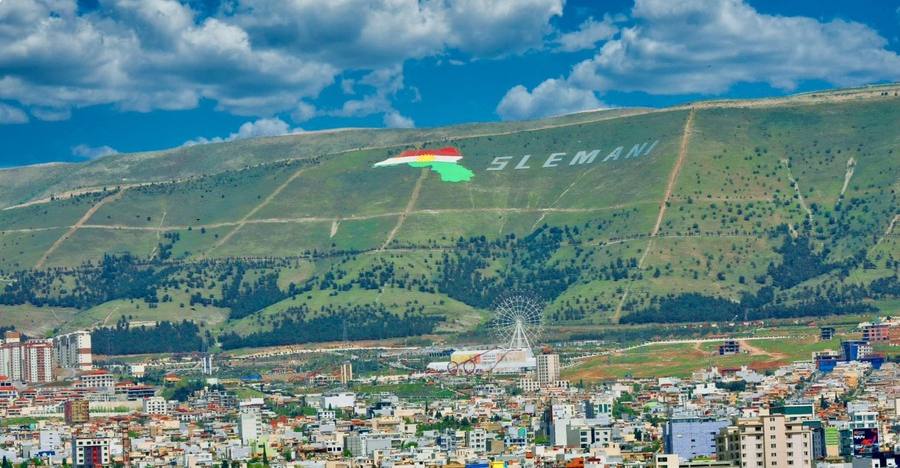


Shafaq News – Al-Sulaymaniyah
Residents of al-Sulaymaniyah on Sunday welcomed the new oil agreement between the Kurdistan Regional Government (KRG) and Baghdad, stressing that its success depends on whether it improves living conditions through consistent salary payments.
After more than two years of suspension, Kurdistan’s oil exports resumed on Saturday at a rate of 190,000 barrels per day from Fishkhabour to Turkiye’s Ceyhan port. The restart followed a series of meetings between the Kurdish Ministry of Natural Resources, Iraq’s Oil Ministry, and international companies, which produced a trilateral deal placing SOMO in charge of marketing the Region’s crude.
Read more: Pipe dream or partnership? Iraq’s oil restart tests a fragile federal compact
“This is an important step toward solving long-standing crises, but its value will only appear if the Iraqi government pays salaries on time like other provinces,” resident Hassan Ali told Shafaq News. He underlined that people of the Kurdistan Region “are not second-class citizens” and insisted that if its oil wealth is handed over, citizens must receive their full rights.
Read more: Kurdistan’s salaries: A lingering injustice beyond numbers
Schoolteacher Haifa Ahmed highlighted the toll of irregular wages. “We have suffered for years from unstable income and unequal treatment. Our demand is simple: to receive our salaries regularly and to see our resources used for stability and a decent life, not for political disputes.”
Meanwhile, economist Dara Karim described the accord as a chance to rebuild trust between Erbil and Baghdad. He noted that routing exports through SOMO was a necessary regulatory step but cautioned that “delayed salaries or unequal treatment of employees will weaken the agreement and revive old disputes.”
Political analyst Shorsh Mahmoud framed the deal as a test of both governments’ commitment to the constitution, which he described as the safeguard of all Iraqis’ rights. He warned that political conflicts should never be used to punish citizens and urged both sides to prove that “service to the people comes before all else.”