Iraq’s tax system reaches Kurdistan as Parliament reviews non-oil revenues


Shafaq News– Al-Sulaymaniyah
Iraq’s newly implemented tax and customs system will also apply to border crossings in the Kurdistan Region, the head of the Al-Sulaymaniyah Chamber of Commerce and Industry affirmed on Sunday, warning that the move could sharply raise prices for some goods.
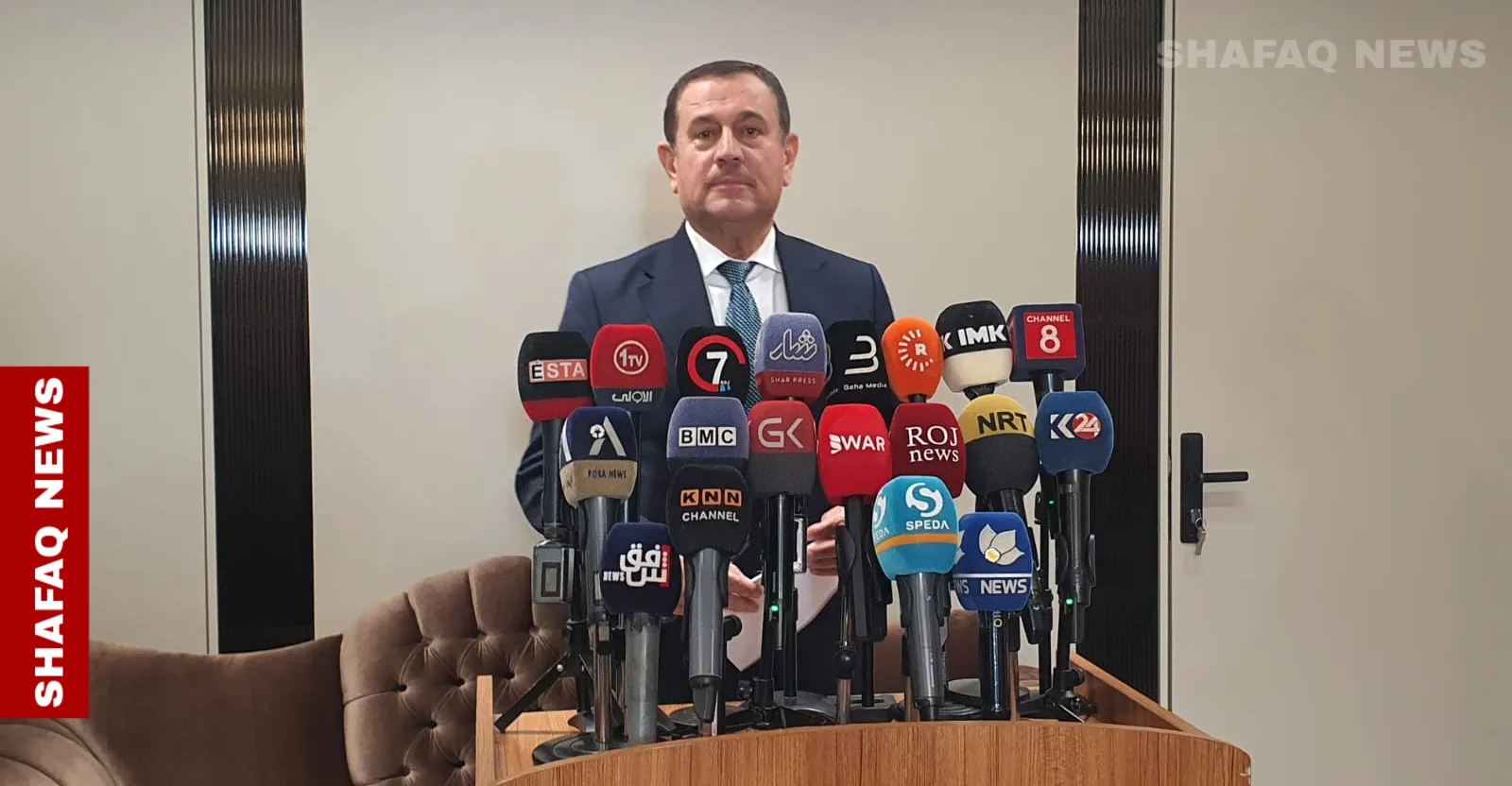
Speaking at a press conference, Chamber president Nawzad Ghafour described the expansion of the system as “a major burden” on trade, noting that the cost of importing one kilogram of certain goods has risen from about $1.50 to nearly $8 under the new framework.
Market prices, Ghafour added, have not yet fully reflected the increases because goods currently available were imported under the previous tariff regime, urging the Iraqi government to revisit the structure of taxes and customs duties to strike a balance between protecting domestic production and avoiding harm to traders and consumers.
“This increase has fueled widespread dissatisfaction among traders in both the Kurdistan Region and the rest of Iraq,” he cautioned.
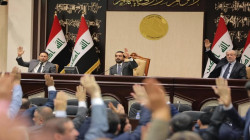
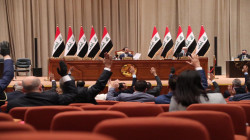
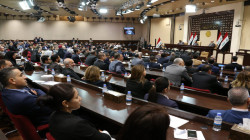
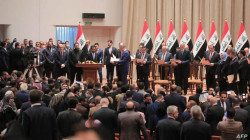
The developments come as Iraq’s parliament continues discussions on non-oil revenues, attended by the heads of the Border Ports Authority, the General Commission for Taxes, and the General Customs Authority, according to a statement. The talks follow a Saturday session in which lawmakers examined taxes, fees, and collections, focusing on a cabinet decision imposing new levies that, lawmakers said, have already slowed market activity.
The system, which entered into force this month, imposes charges ranging from 5% to 30% on selected imported goods and is expected to cover around 6,000 items nationwide. As the measures began taking effect, opposition quickly surfaced among traders, with dozens staging a protest earlier on Sunday in the capital, Baghdad, rejecting what they described as “unjust” measures and warning that demonstrations would continue unless authorities respond to their demands.
Government officials and allied lawmakers have denied that the steps amount to new taxation, as already affirmed by the country’s General Customs Authority. They described the measures as tax deposits to be settled later through electronic customs procedures, attributing the controversy to misinformation and the circulation of outdated footage that misrepresented the new mechanisms.
Read more: Delayed reform or fiscal shock? Iraq’s tax measures test state capacity