Iraq’s “Swiss dinar” still lives in Kurdistan livestock markets


Shafaq News- Erbil
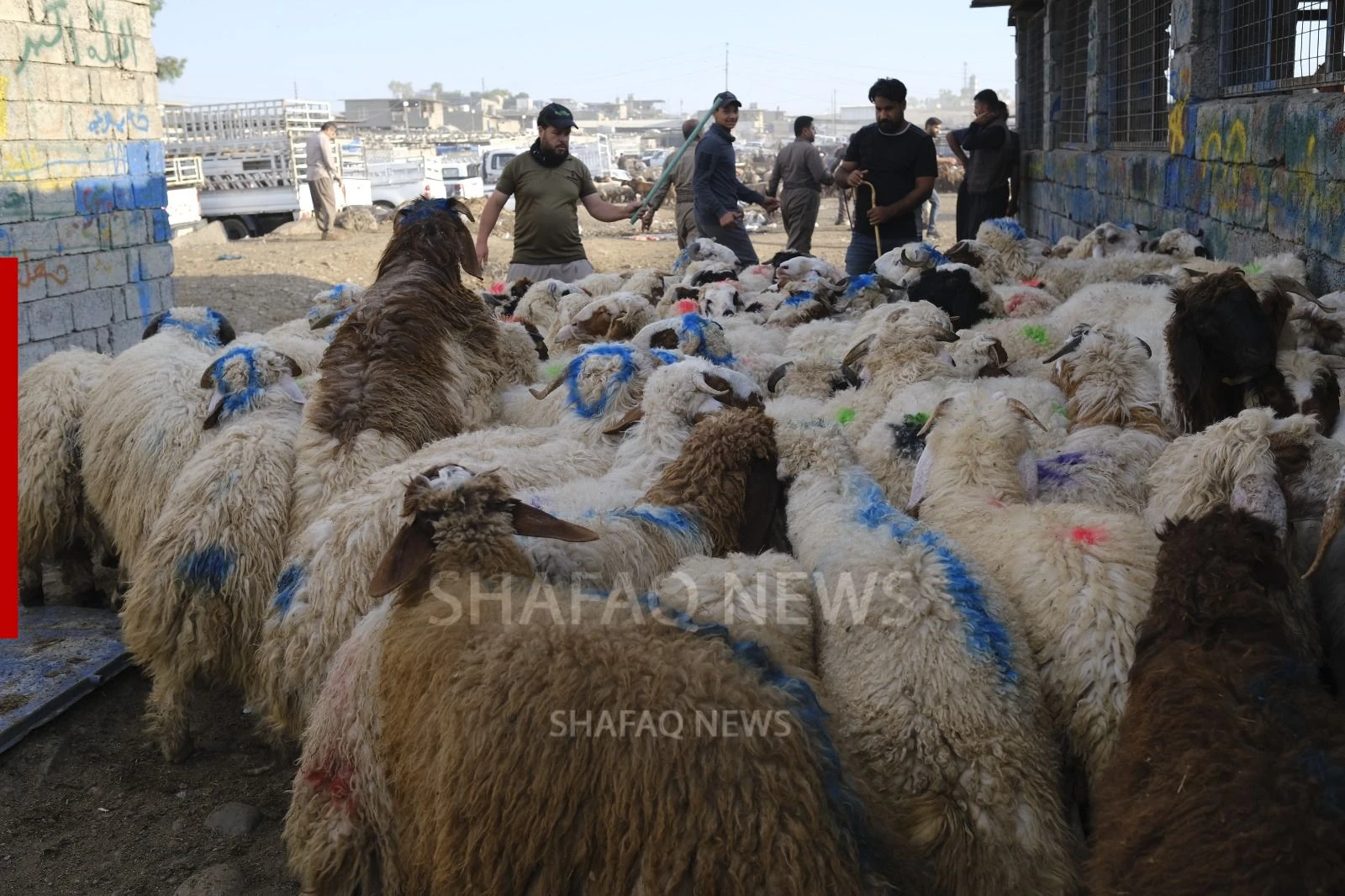
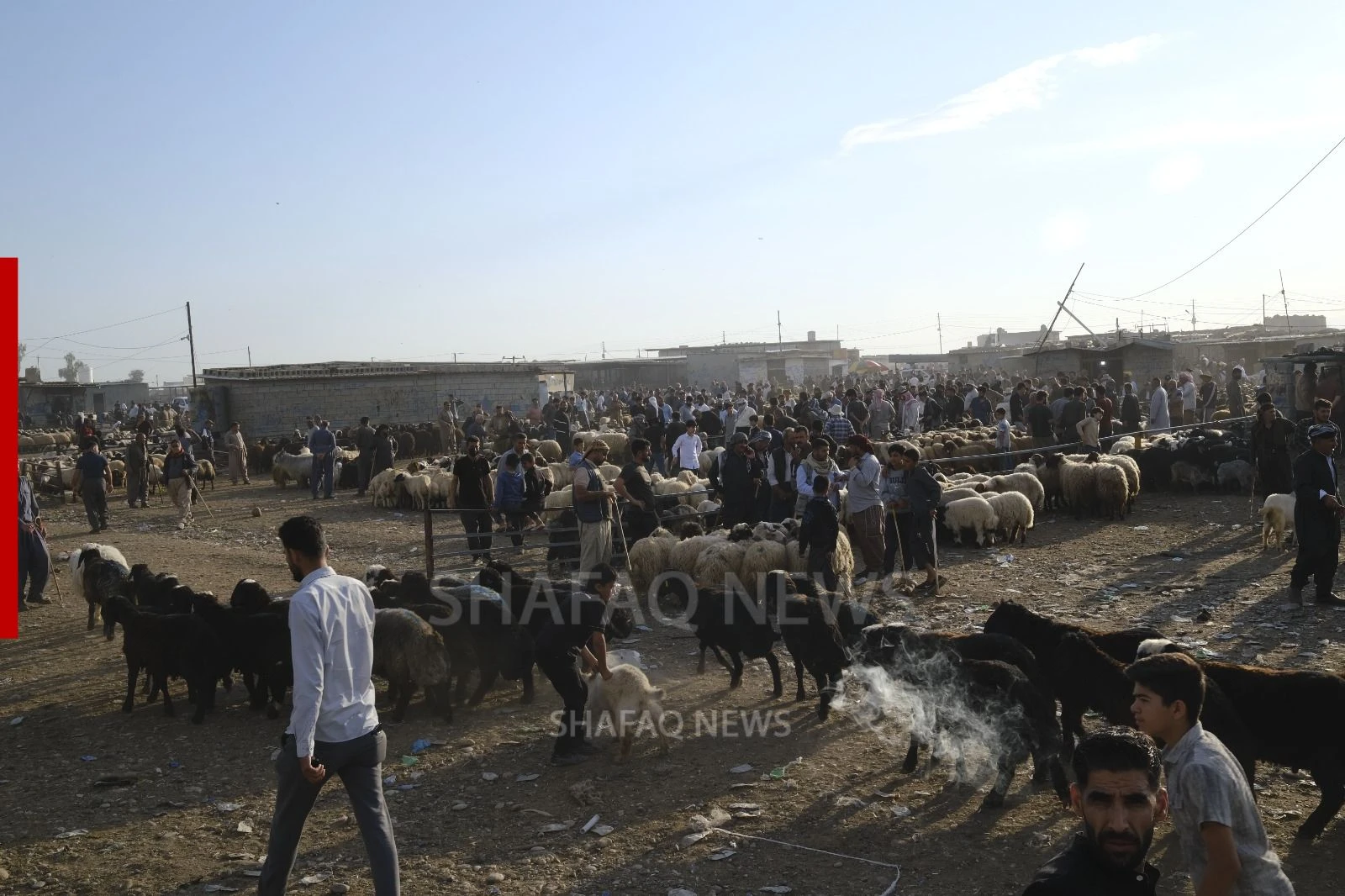
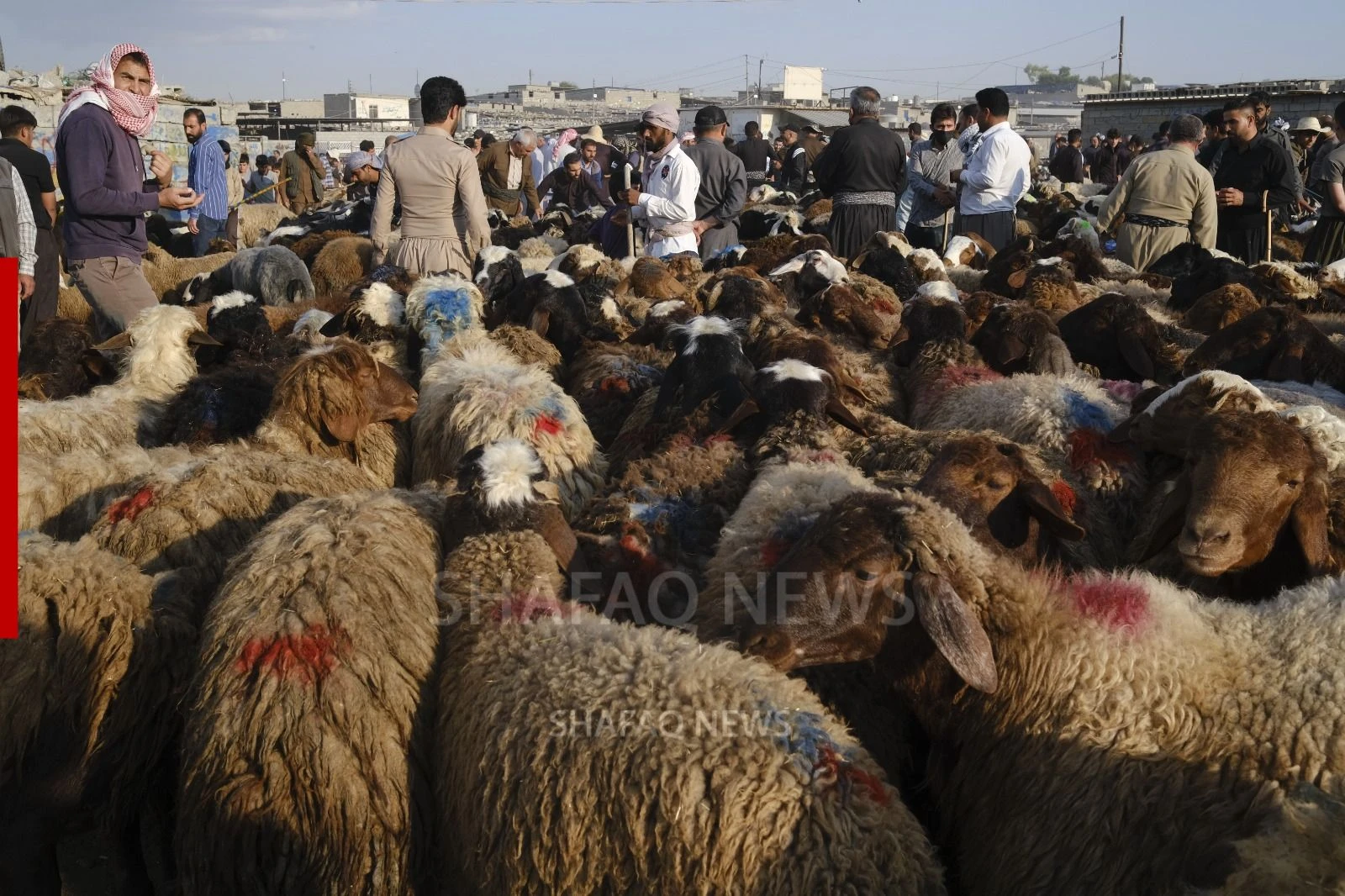
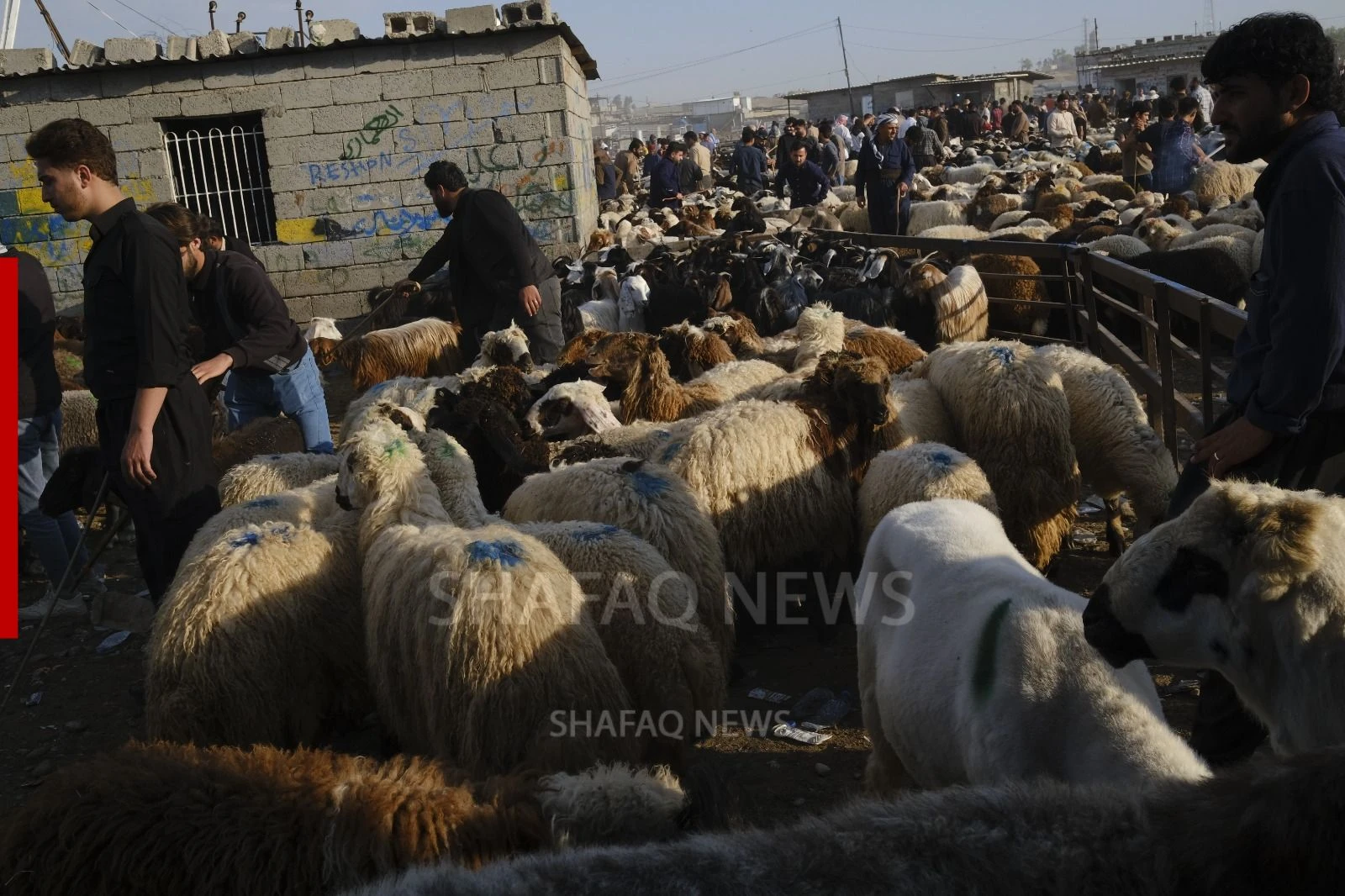
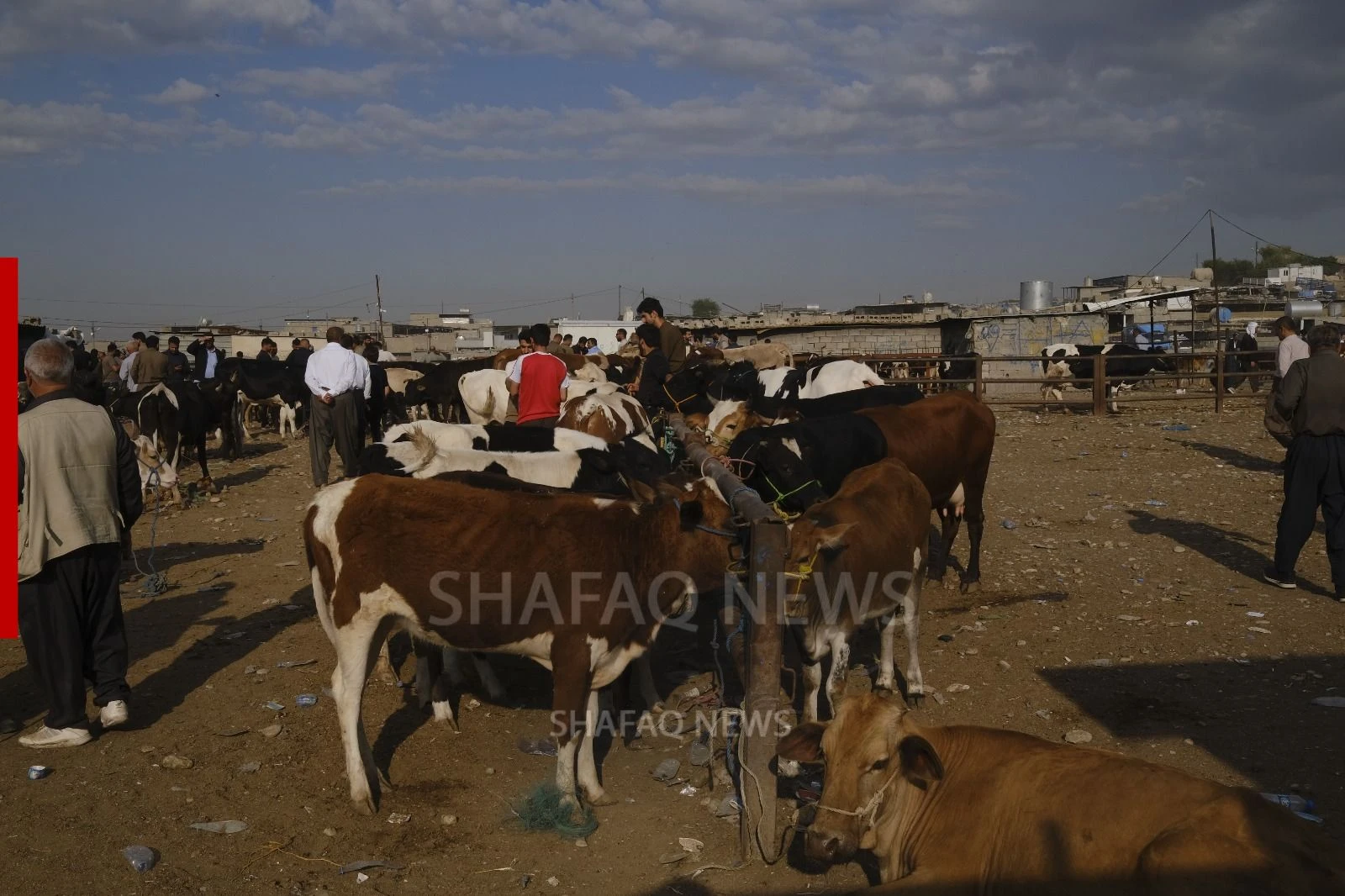
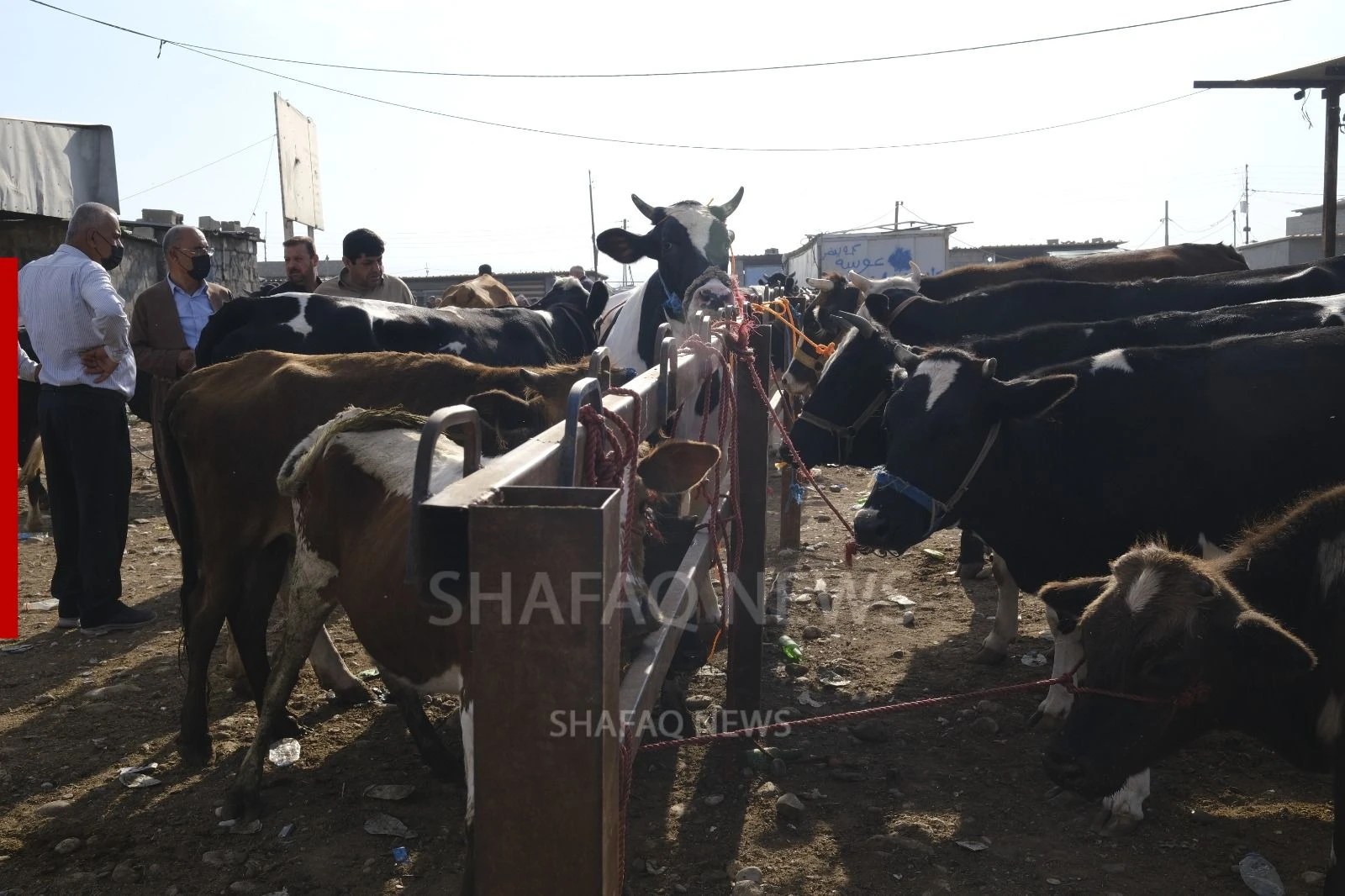
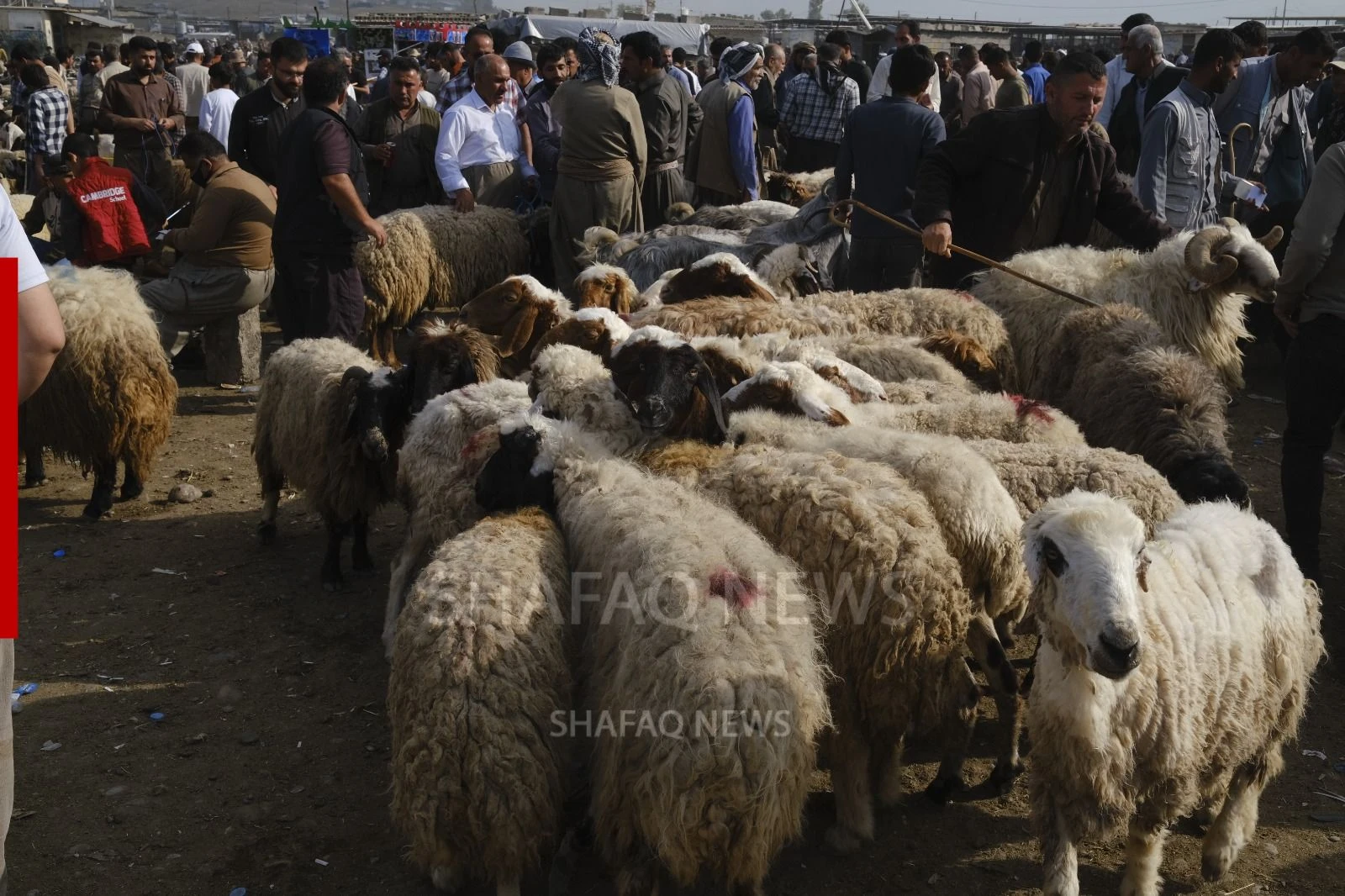
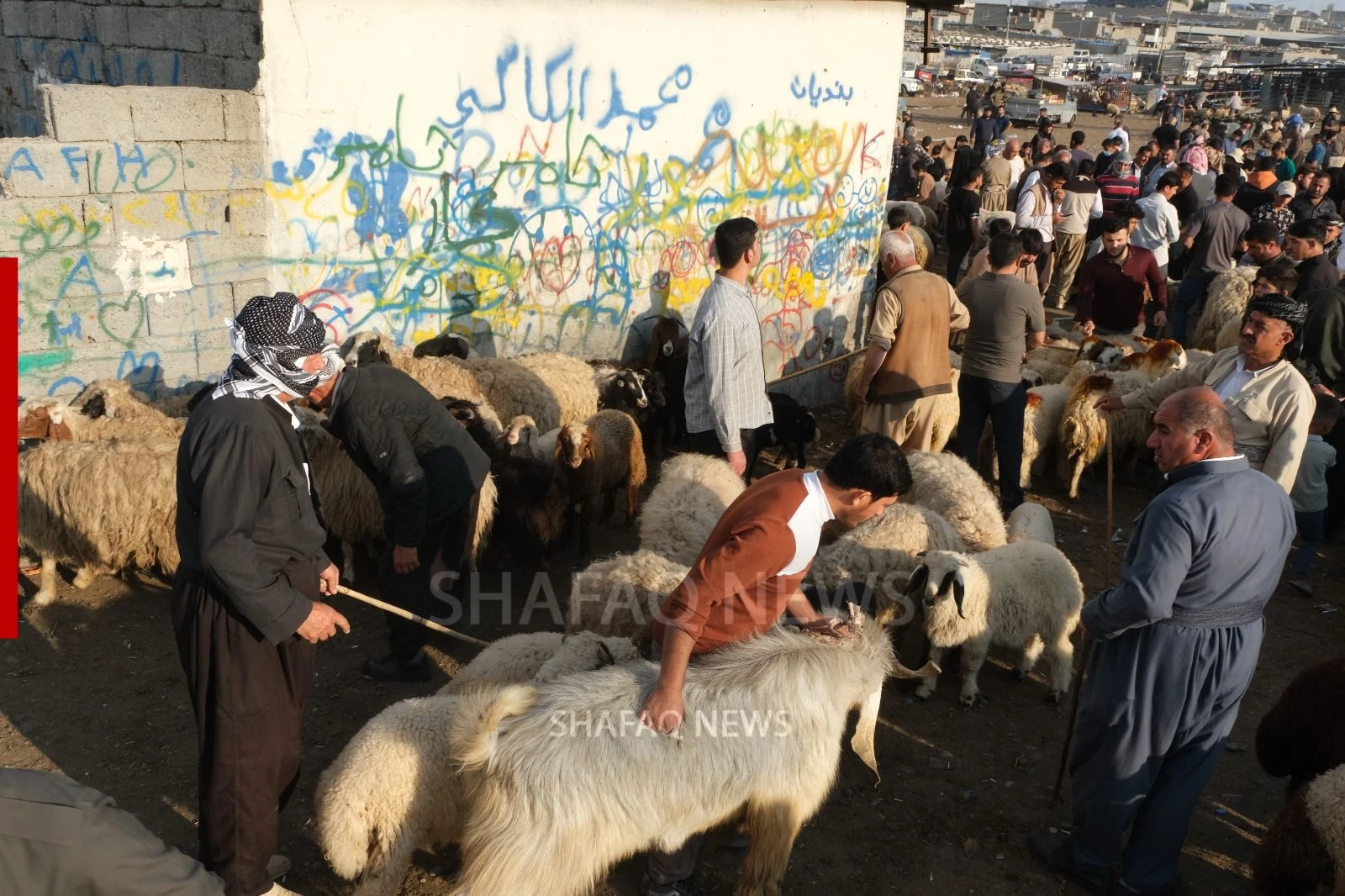
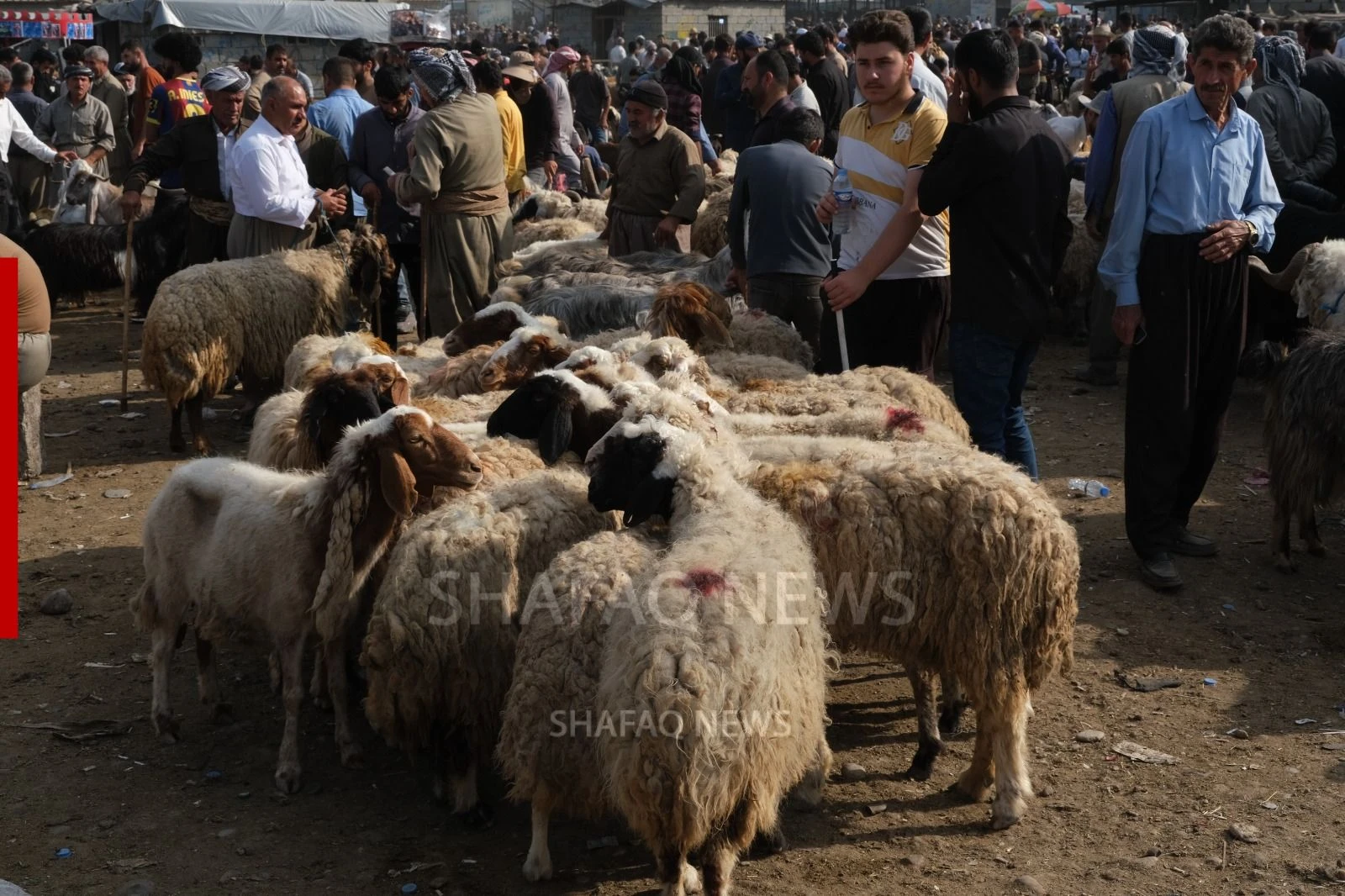
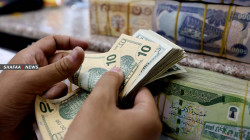
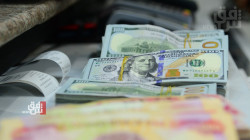
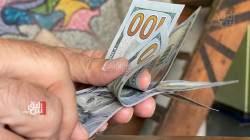
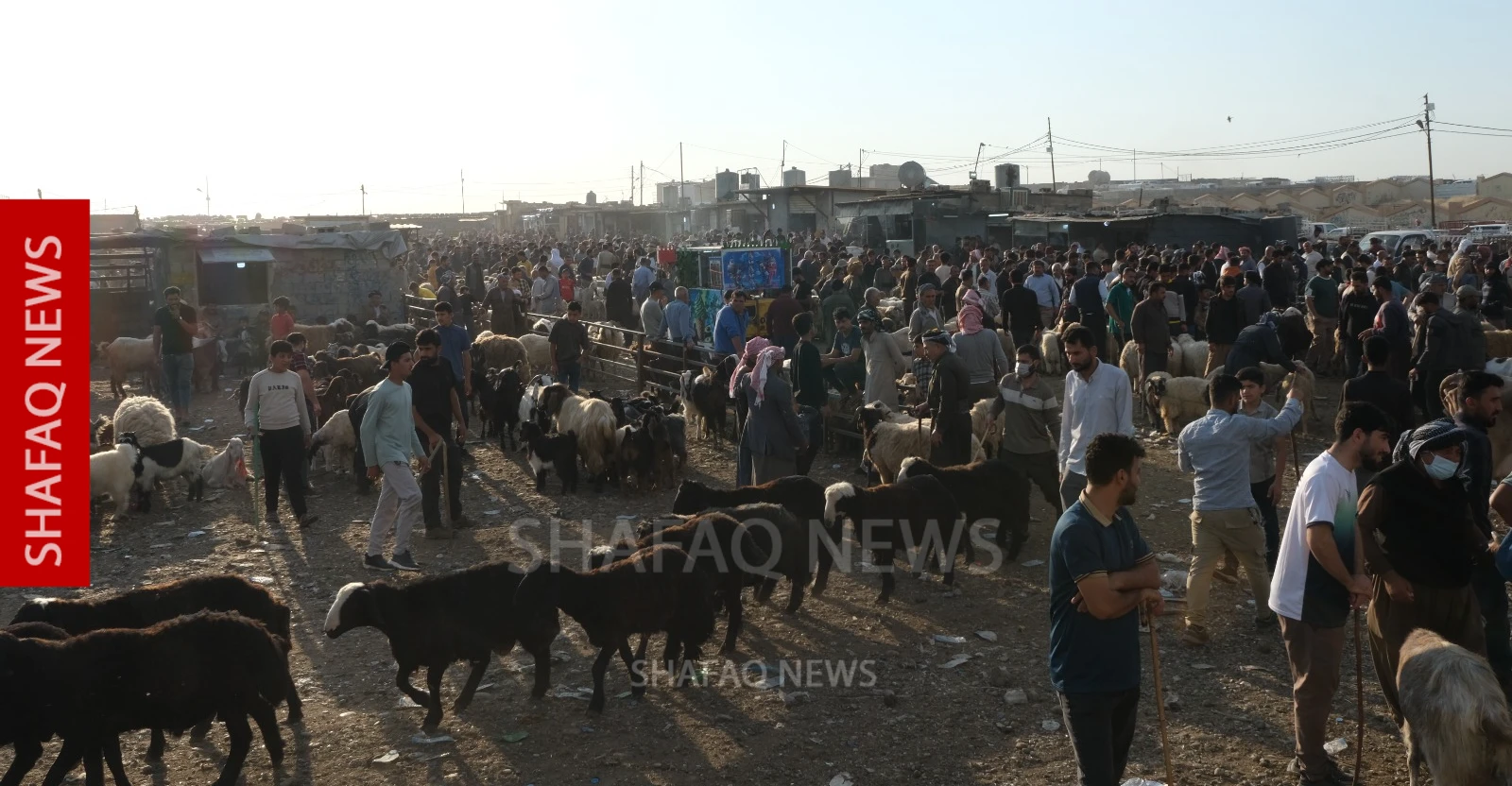
More than 35 years after Iraq’s old “Swiss dinar” disappeared from circulation, livestock traders across the Kurdistan Region still use the former currency as the main pricing reference in cattle and meat markets.
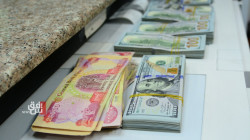
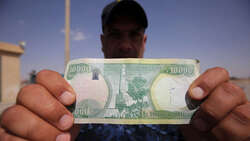
The “Swiss dinar” was Iraq’s internationally recognized currency until the early 1990s, before the former Iraqi regime replaced it with locally printed banknotes, which later lost value outside Iraq. After the Kurdistan Region broke away from Baghdad’s control in 1991, it continued using the Swiss dinar until the fall of the regime in 2003. Traders commonly calculate one Swiss dinar as equivalent to around 150 current Iraqi dinars, even though all actual payments are made using today’s Iraqi currency.
“For livestock trading, we still rely on the old currency when setting
prices,” livestock seller Ghazi Qabban told Shafaq News. “For example, one
kilogram of meat may be priced at 60 dinars according to the old system, but
that actually equals around 9,000 dinars (about $5.85) in today’s currency.”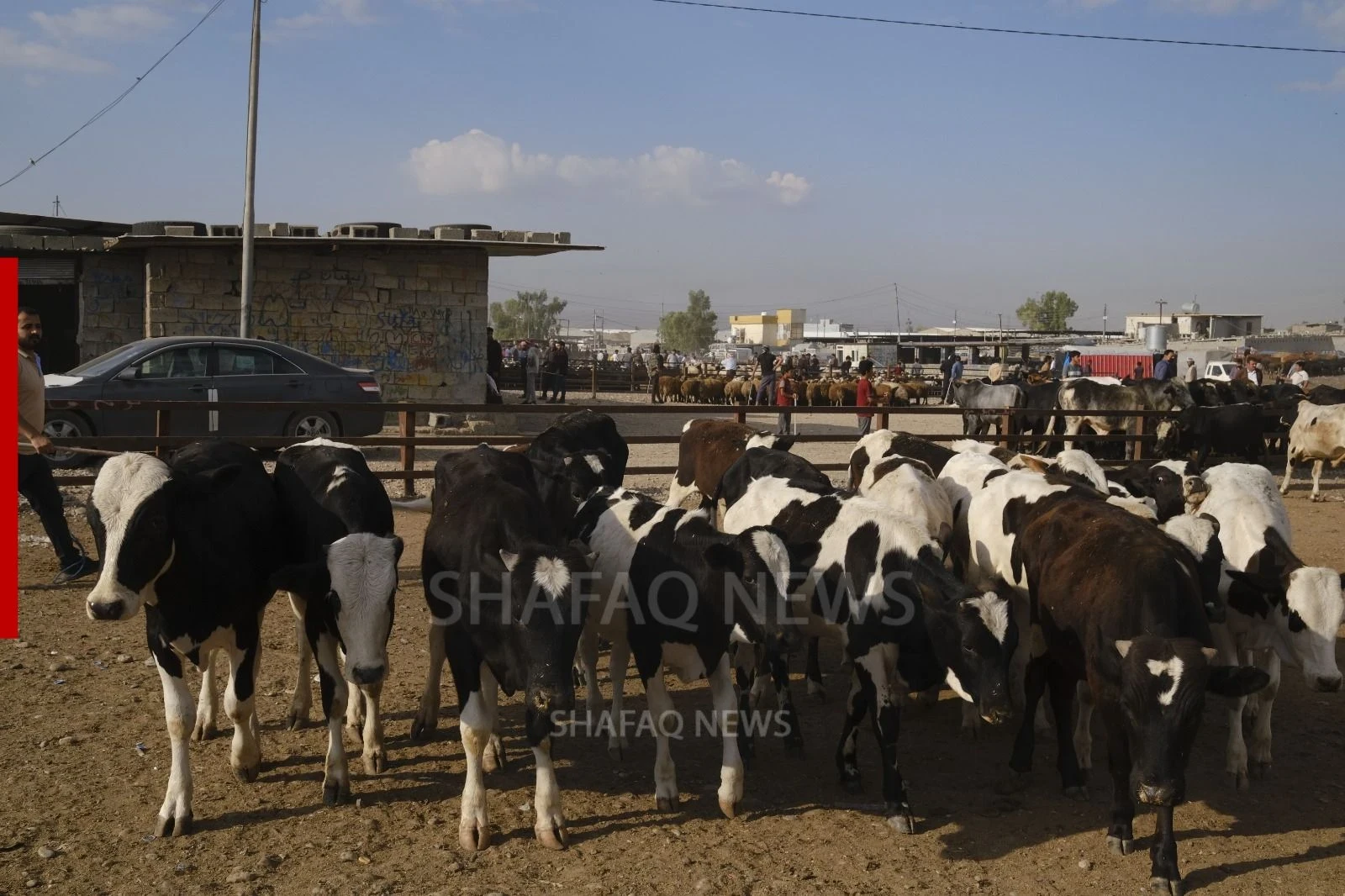
Many traders, particularly older sellers, Qabban explained, still prefer the former currency because it avoids dealing with the large figures attached to the current Iraqi dinar, stressing that the Swiss dinar today functions only as “a unit of calculation.”
The practice is no longer limited to Kurdish livestock traders, according to market worker Faisal Abdullah, who noted that many Arab customers visiting the markets also prefer using the old pricing method.
“We usually multiply the old price by 150 to directly obtain the value in the current currency,” Abdullah said, describing the formula as the market’s shared financial language.