Scoop: Iraqi Shiite leaders propose ‘weapons management’ compromise


Shafaq News- Baghdad
Senior Shiite political leaders have proposed placing decisions over the use of armed factions’ weapons under the authority of Prime Minister Ali al-Zaidi as commander-in-chief rather than requiring their immediate disarmament, as part of efforts to defuse tensions between the factions and the government, a Coordination Framework source told Shafaq News on Wednesday.
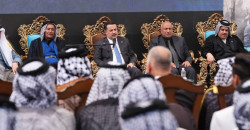
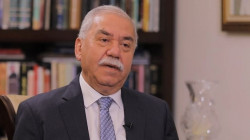
The proposals were put forward by influential Framework figures, including State of Law Coalition leader Nouri al-Maliki, al-Hikma (Wisdom) Movement leader Ammar al-Hakim and Badr Organization leader Hadi al-Ameri, and presented to factions including Kataib Hezbollah and Harakat al-Nujaba, according to the source.
The main proposal would shift the focus from disarming the factions to regulating their use of weapons, a formula the source described as “weapons management.” Any military action would have to be “authorized by the commander-in-chief of the armed forces.”
Read more: Iraq's September deadline undercuts armed factions' case for weapons
The arrangement is intended to prevent military action outside state authority while avoiding immediate disarmament.
A second proposal would introduce a transition period between the withdrawal of US forces from Iraqi bases and the start of measures to bring weapons under state control. The source said the proposed gap is intended to balance the timing of the two commitments and provide reassurance to the factions.
The proposals have been delivered to faction leaders, whose response is pending. If they reject them, the Coordination Framework could convene an extraordinary meeting to consider other options, the source said.
Read more: What happens to Iraq's armed factions after September 30?
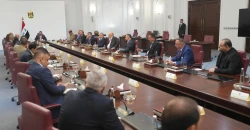
The mediation comes as a Framework committee that includes al-Ameri and al-Hakim holds talks with factions opposed to surrendering their weapons, seeking to “bridge the gap with al-Zaidi and his government team” and prevent the political dispute from escalating into an “armed confrontation.”
Al-Maliki’s coalition had previously proposed separating the timetable for the US withdrawal from efforts to bring weapons under state control through a transitional period intended to reassure the factions.
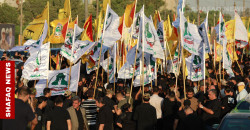
Tensions have intensified between the government and Kataib Hezbollah, which recently threatened to respond to what it described as “provocative government measures” and has conditioned any agreement over its weapons on the complete withdrawal of US forces and guarantees that they will not return.
Read more: Iraq's disarmament deadline pits Baghdad against Iran-aligned factions
Iraq’s four presidencies on Monday reaffirmed their commitment to restricting weapons to state institutions. The State Administration Coalition has set Sept. 30 as a deadline for ending armed activity outside official institutions, warning that any such activity after that date would be dealt with under Iraqi law.
Positions among the factions remain divided. Kataib Hezbollah, Harakat al-Nujaba and Kataib Sayyid al-Shuhada have resisted giving up their military capabilities, while other groups have signaled willingness to regulate their military and security relationship with the state.