Iraq Parliament examines Victims Compensation Law amendment to prevent “misuse”


Shafaq News- Baghdad
Iraq’s Parliament is reviewing the third amendment to Law No. 20 of 2009 on Compensation of Victims of War Operations, Military Mistakes and Terrorist Operations, amid questions from families of victims over the delay in passing the draft.
The amendment was referred to a temporary parliamentary committee for examination. In the meantime, the Council of Ministers decided to suspend implementation of a clause halting pension payments after ten years, pending completion of the legislative process.
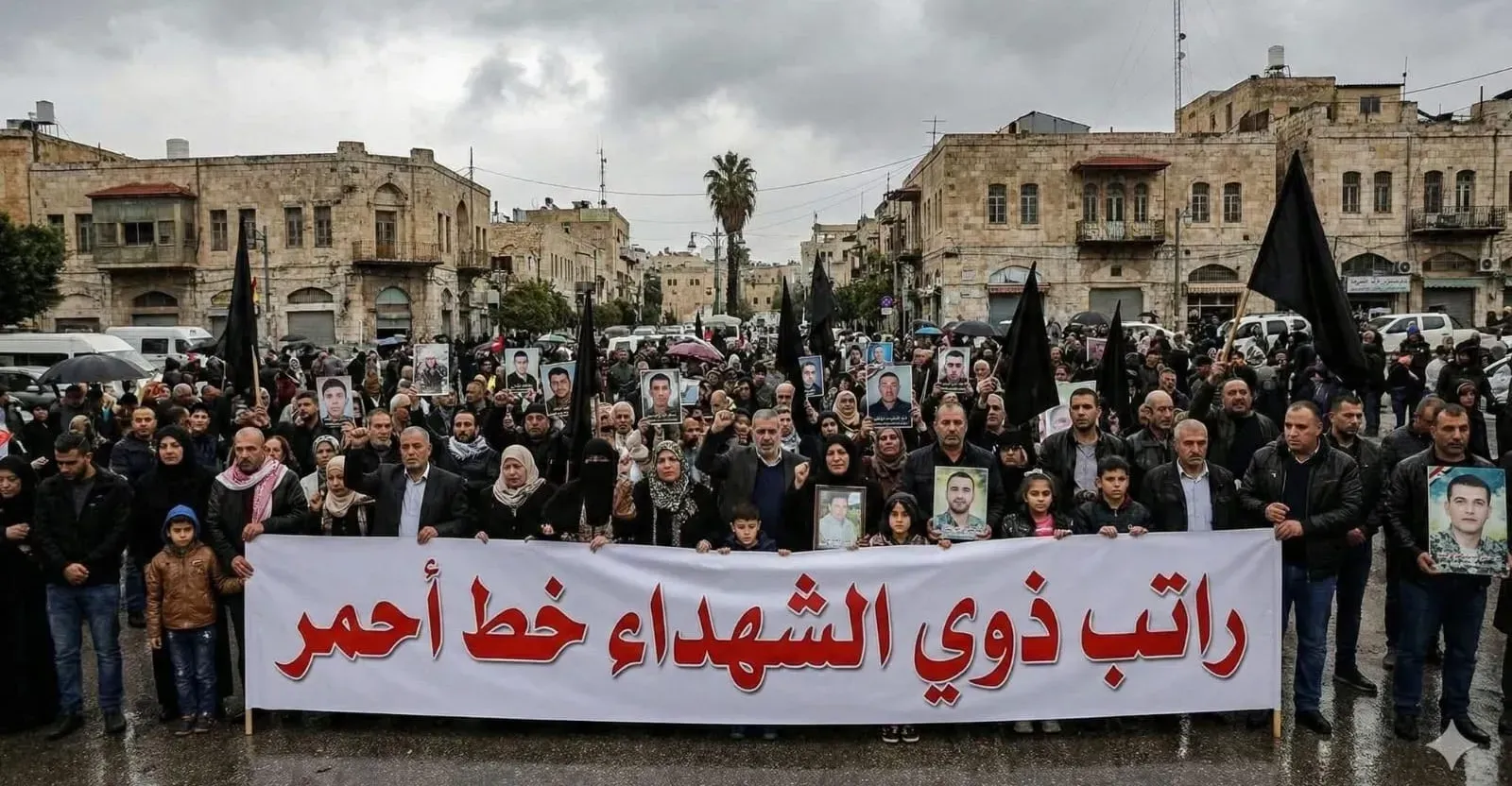
Families of victims have called for full approval of the amendment rather than relying on temporary measures. The family of Ibrahim Mahmoud Ibrahim from Diyala province told Shafaq News that the delay was difficult to understand, describing the law as “one of the most closely linked to tens of thousands of martyrs’ families.” They stressed that merely suspending pension cuts is “a partial and temporary solution” that does not address the inclusion of additional groups still awaiting entitlements.
Speaking with our agency, informed sources affirmed that political differences have emerged between Sunni and Shiite blocs over certain provisions, particularly proposals submitted to the committee. They warned that passing a version that satisfies all sides could give the amendment a financial dimension, potentially exposing it to challenge by the Iraqi government. Some parties, the sources added, have called for removing clauses that “touch the core of the law,” which could result in granting rights to individuals who do not meet the legal definition of a victim.
MP Noor Al-Atabi, a member of the temporary committee, denied the existence of disagreements over the principle of passing the amendment. “There is broad consensus on the need to ensure justice for the groups covered by the law,” she told Shafaq News, explaining that discussions have focused on preventing the suspension of pensions for families of martyrs and addressing the clause limiting payments to ten years.
According to Al-Atabi, coordination with the Martyrs Foundation and the National Board of Pensions, along with several lawmakers, led to the Cabinet’s decision to suspend the pension-cut provision and extend payments until the legislative amendment is completed. She noted that the committee reviewed a draft prepared during the previous parliamentary term, as well as proposals submitted by the Martyrs Foundation and a committee formed within the Cabinet’s General Secretariat, and discussed them in detail.
Law No. 20 covers civilians and military personnel affected by terrorist attacks, military operations, and military errors, including cases of death, injury, total or partial disability, property damage, and employment or academic harm.
The proposed amendment seeks to include deceased personnel from the Defense and Interior ministries, the Popular Mobilization Forces (PMF), and all security agencies who died during or as a result of service. It is also examining a proposal to include civilians killed during the 1991 US bombardment, in line with existing legislation and the principle of fairness among affected groups.
Al-Atabi emphasized that PMF members and other security forces are already covered under the Martyrs Foundation Law No. 2 of 2016 in terms of pension rights and privileges, and that efforts are underway to regulate the relationship between the two laws to prevent duplication or conflict in entitlements.
She stressed that the committee is working to refine legal wording and close gaps revealed during implementation, while standing “firmly against any attempt to introduce clauses that could be broadly interpreted and allow ineligible cases to qualify.” Any amendment, she added, “must preserve the humanitarian and national philosophy of the law and must not be exploited in any way.”
The committee continues to hold meetings with relevant executive bodies to reach a unified draft before submitting it to Parliament for first reading and completing the constitutional legislative process, she confirmed, attributing the relative delay to efforts to produce a comprehensive and balanced amendment that safeguards victims’ rights.