Clean water demanded: Tensions soar in Basra as situation escalates
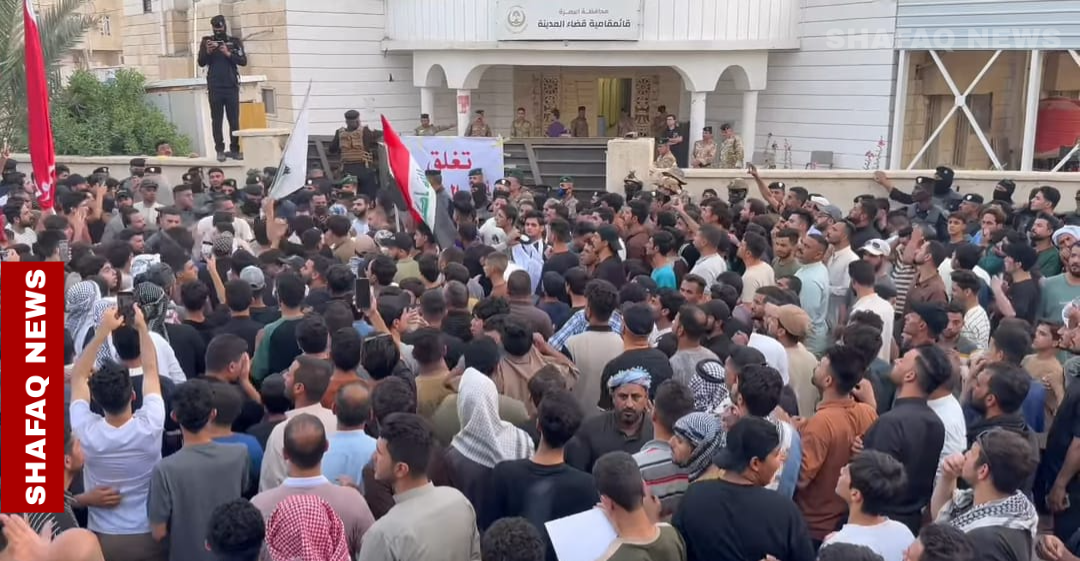


Shafaq News/ Iraqi security forces stormed the Al-Madina district council building in northern Basra on Friday evening, forcibly reopening it after protesters had sealed it off earlier in the day, a security source said.
The source, speaking to Shafaq News Agency, added that mosques across the district were now echoing with calls for unity, urging residents to agree on a collective response to the government's move.
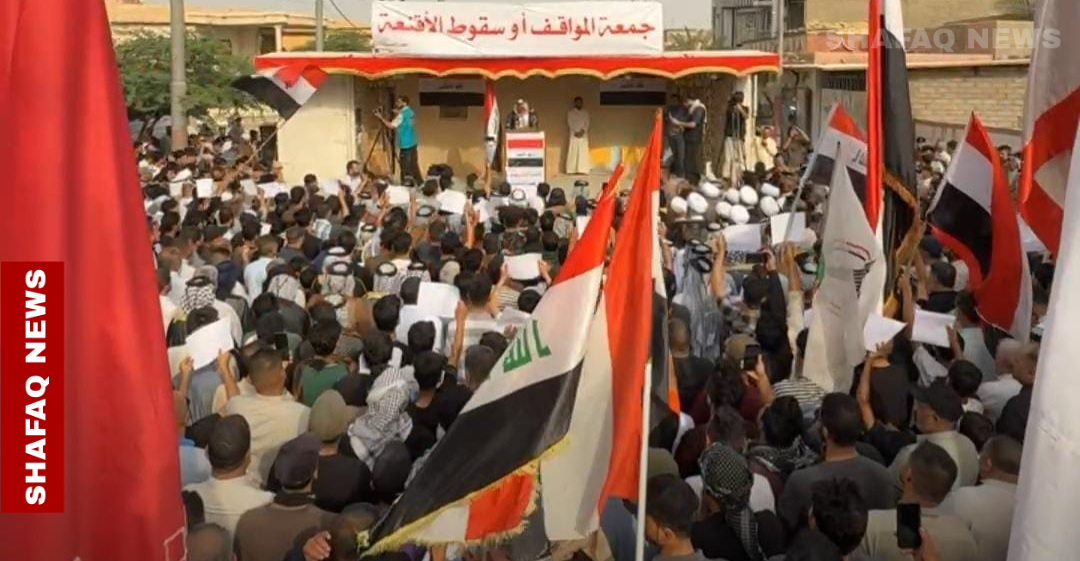
This came after demonstrators in al-Madina District, north of Iraq’s Basra province, shut down the local district administration office, escalating protests over the lack of clean water and essential public services, a security source reported on Friday.
The source told Shafaq News Agency that protesters plan to keep the Qaimaqam office closed for one week, warning it will remain shuttered until their demands are addressed.
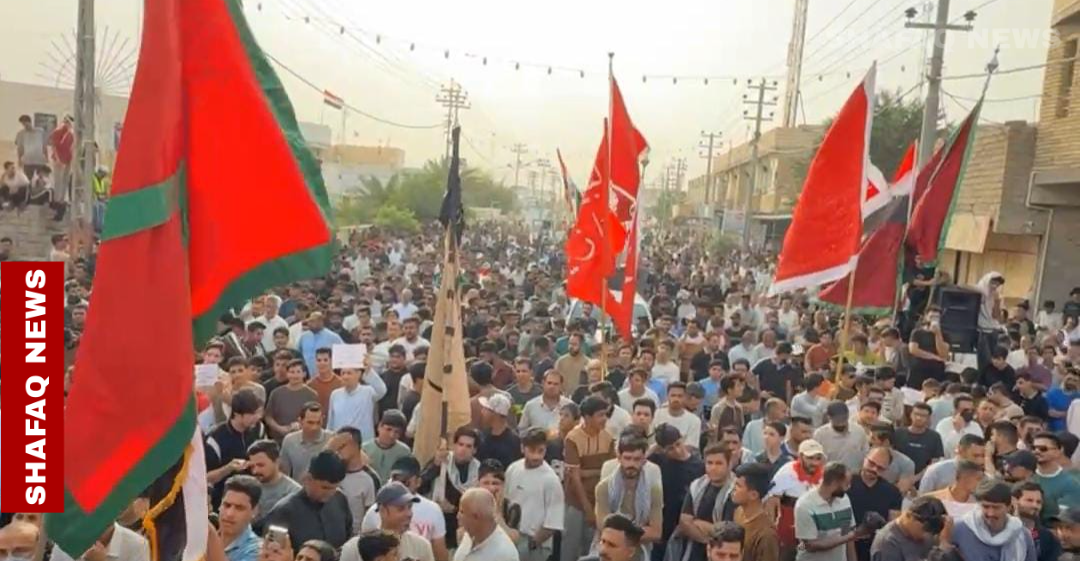
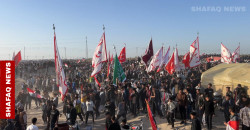
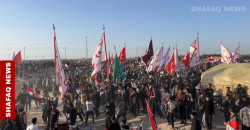
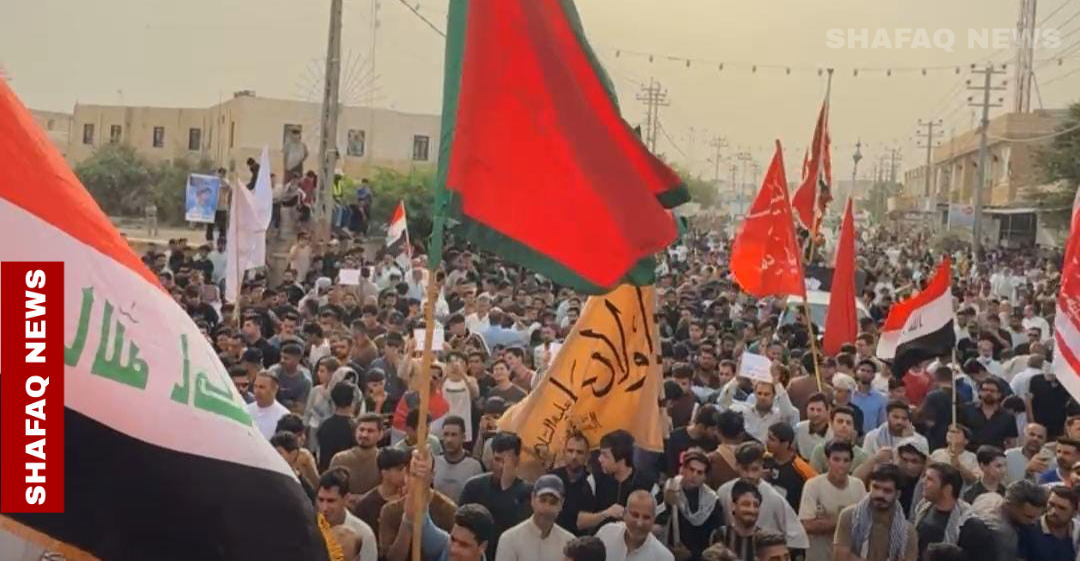
Earlier, thousands of al-Madina’s residents rallied to denounce worsening health and environmental conditions.
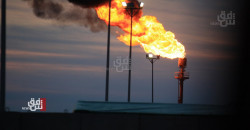
Demonstrators blamed both local and federal authorities for ongoing neglect, particularly regarding pollution from nearby oil operations. Protest leader Sheikh Mohammed al-Issawi told our Agency that access to safe drinking water topped the community’s list of demands.
“People here endure daily contamination, disease, and environmental decline.”
Al-Issawi cited the long-delayed construction of a promised desalination plant as a symbol of “government failure.” Although 30 dunams (approximately 7.4 acres) have been allocated for the project, he noted that no funding has been secured and affected landowners remain uncompensated.
Highlighting the district’s proximity to some of Iraq’s largest oil fields, al-Issawi decried what he described as “chronic disregard” for a region that contributes significantly to the national economy. “Al-Madina fuels Iraq’s wealth but receives nothing but neglect,” he said, adding that continued inaction could trigger wider unrest.
The protest leader also denounced Basra Governor Asaad al-Eidani for what he called a pattern of silence. “The governor has neither visited nor addressed our concerns—despite months of mobilization.”