Iraq restores pre-Islamic Al-Farouq Minaret


Shafaq News- Al-Anbar
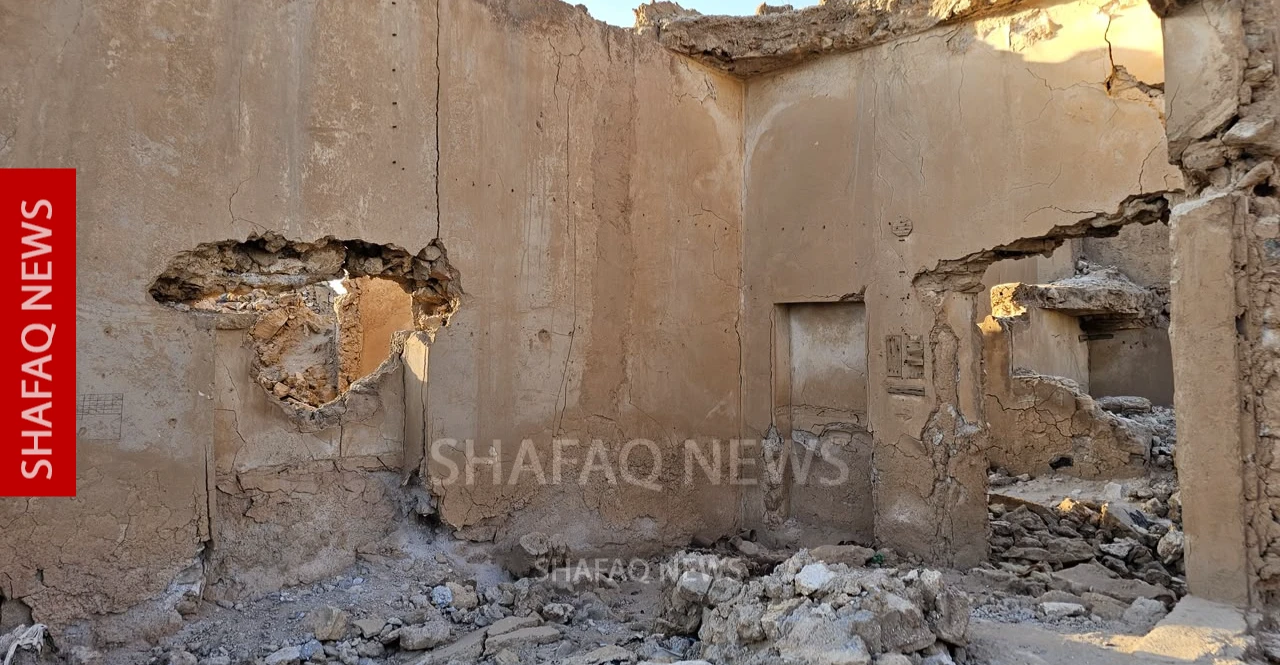
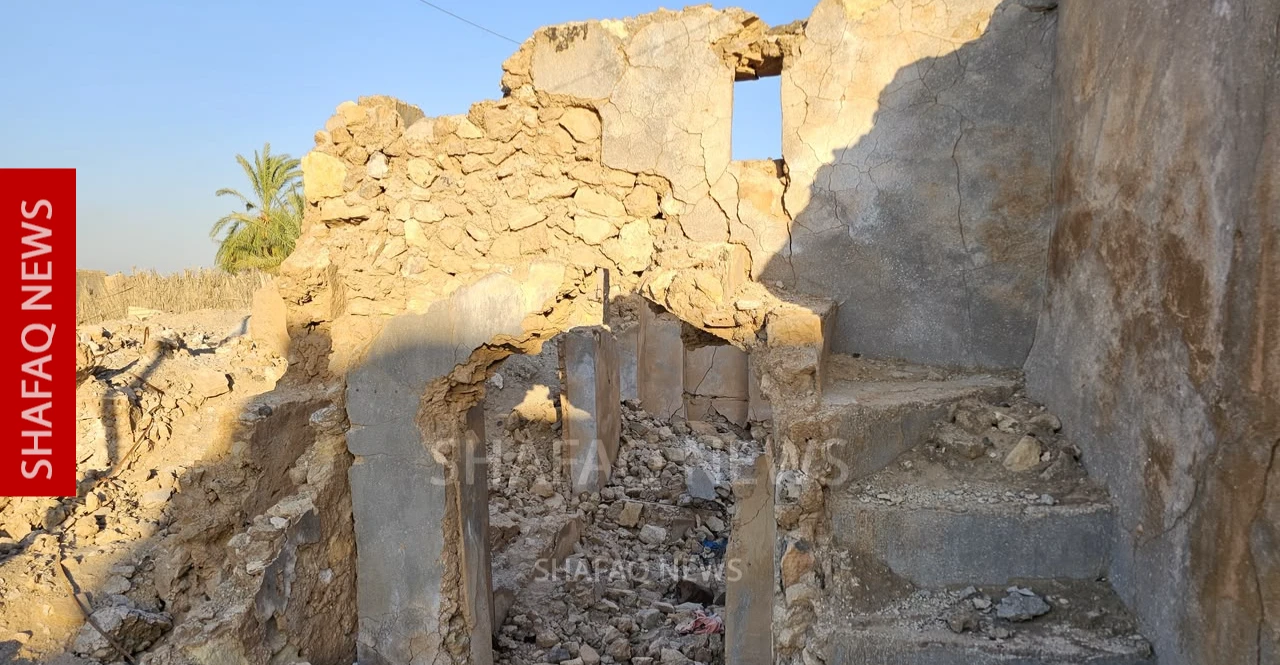
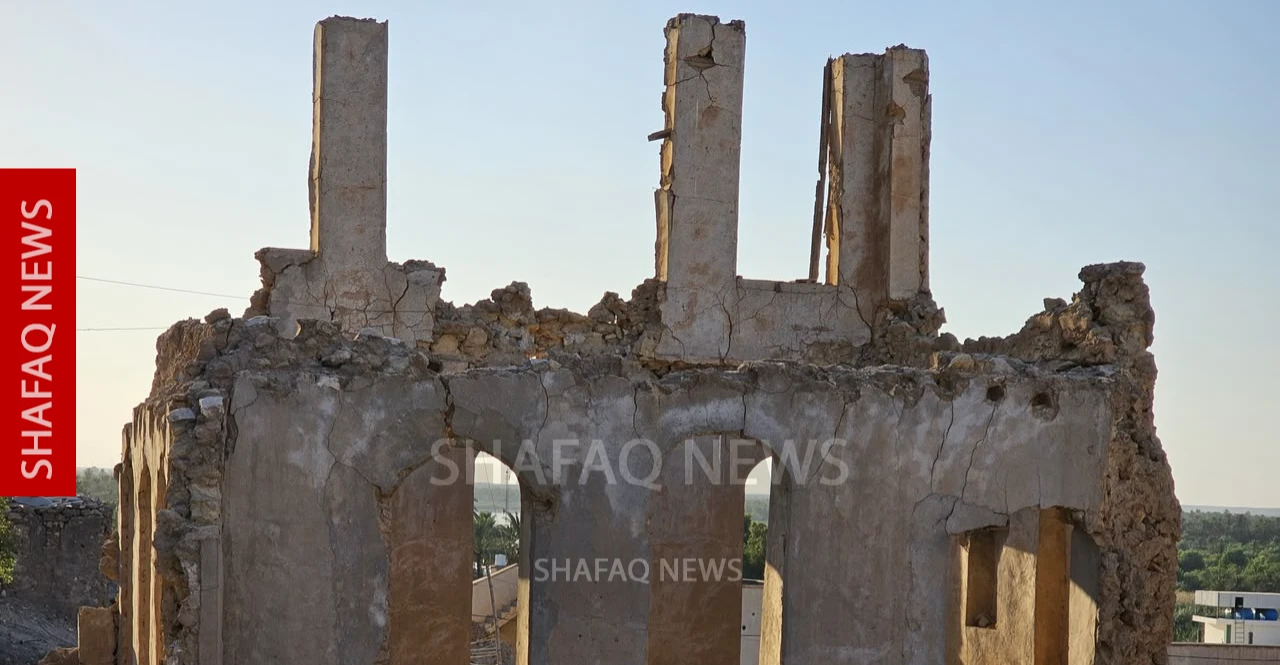
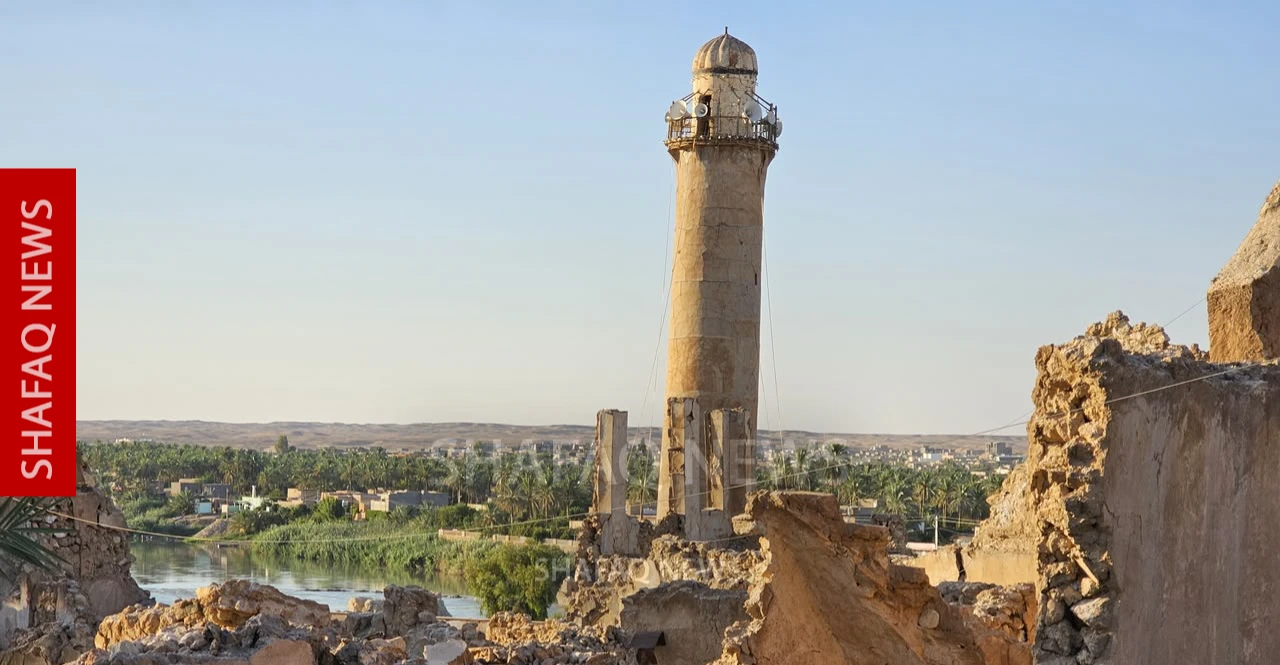
Restoration work has begun on Al-Farouq Minaret in Iraq’s western Al-Anbar province, a centuries-old leaning landmark long threatened by cracks and structural decay, an Iraqi official told Shafaq News on Sunday.
Ammar Ali, director of Al-Anbar Civilization Museum, clarified that the process is being carried out jointly by the State Board of Antiquities and Heritage, Al-Anbar Provincial Council, and with support from a specialized engineering consultancy.
“Technical studies are underway,” he observed, referring to soil
analysis and precision measurements tracking how the structure has tilted over
time.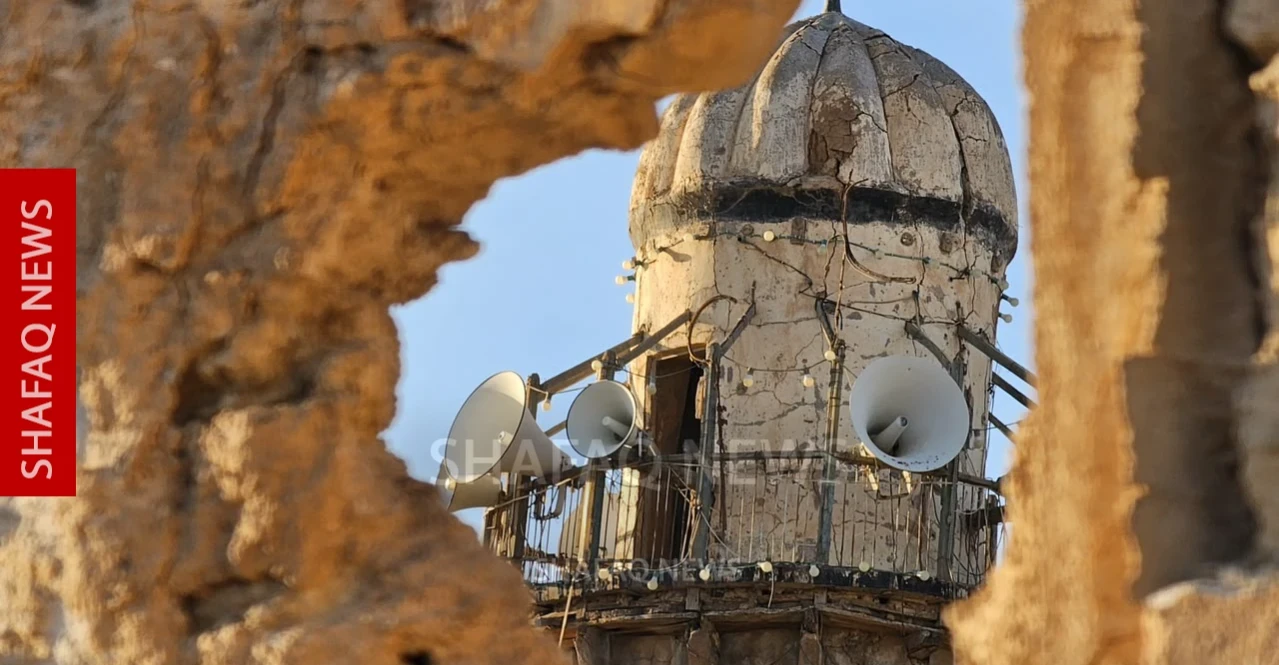
Perched on the edge of the northern citadel above a rocky cliff, the monument occupies a location that slows fieldwork. Dense clay formations and difficult terrain limit access for heavy equipment and complicate on-site inspections.
“For now, no timeline has been set for full restoration,” Ali added, pointing out that surveys and quantity assessments remain ongoing while engineers finalize soil reports. A broader structural evaluation is also being prepared by heritage conservation specialists.
Once completed, the findings will go before a specialized committee for review. Cost estimates and technical work schedules will follow before physical restoration begins, with funding for all stages provided by Al-Anbar Provincial Council.
Rising above the town of Hit, the minaret remains one of Al-Anbar’s most prominent archaeological landmarks. It predates Islam and once served as a reference point for caravans moving between the Levant and Iraq before being incorporated into a mosque in the early Islamic period under Caliph Umar ibn al-Khattab. The most recent recorded maintenance dates back to 1945, when repairs were carried out locally using non-scientific methods.
Read more: Iraq’s Al-Faruq Mosque & Minaret: Living testament to Islamic architecture at risk