Iran-Iraq war landmines still threaten Iraq's Maysan


Shafaq News- Maysan
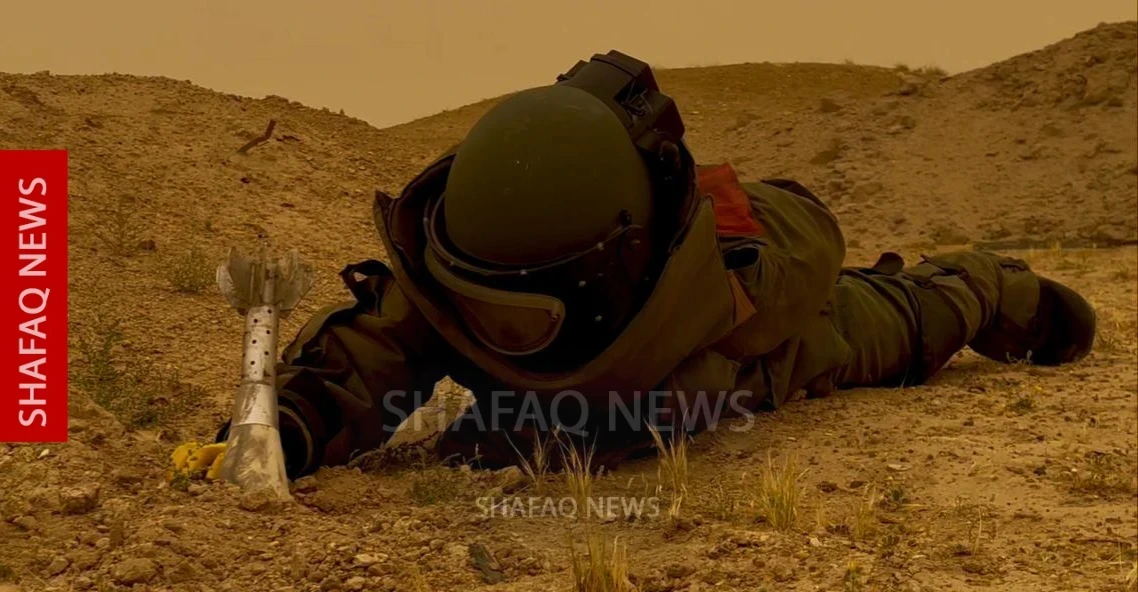
Landmine fields and unexploded ordnance left from the 1980-1988 Iran-Iraq war continue to endanger residents and workers in Al-Tayeb, a border sub-district in Iraq's southeastern Maysan province, the commissioner of al-Amara district said Monday.
Raed Shamil told Shafaq News the munitions threaten people living along the frontier, gravel-plant workers, and staff of the state-run Maysan Oil Company decades after the fighting ended. “The minefields run along the borders at varying depths and distances, reaching several kilometers inland in places, and no accurate maps identify all of their locations.”
Winter floods from higher ground can dislodge mines and carry them into new areas, sometimes tens of kilometers away when the water flows toward Al-Tayeb, according to Shamil.
The sub-district has recorded deaths and injuries from mine explosions since the war ended in 1988. The most recent incident occurred in April this year and killed one person.
Al-Tayeb's administration holds no precise count of mine casualties, though estimates place the figure in the dozens, Shamil said, adding that international humanitarian organizations began clearance work after 2003, but limited resources meant the cleared area remains far smaller than the contaminated one.
Large tracts of the sub-district stay closed to entry, cutting farmers and herders off from land that includes fertile plots already covered by agricultural contracts. The contamination also blocks development projects, among them sites with tourism potential.
“Warning signs mark some hazardous zones but are insufficient, and weather and floods erase them or shift the mines they identify,” the official said, noting that the Maysan Environment Directorate runs mine-risk awareness through posters and warning boards, including signage along the border.
Iraq remains one of the countries most heavily contaminated by landmines and other explosive remnants of war after decades of conflict, according to international monitoring groups. In Al-Muthanna province alone, more than 4,000 casualties and cases of disability linked to war remnants have been recorded since 1991, according to Ahmed Hamdan, head of the province's Environment and Biodiversity Protection Association, who spoke to Shafaq News earlier this year. More than 150 people were killed or injured by mines across Iraq in 2022, while mine explosions killed or wounded 14 people in Basra province in 2023. The International Committee of the Red Cross (ICRC) recorded 78 people killed or injured in mine and war-remnant explosions nationwide between 2023 and 2024.
“Addressing the contamination in Al-Tayeb would require comprehensive survey and clearance operations across the sub-district, given the scale of affected land and the continuing risk to residents, farming, and tourism,” he concluded.
Read more: Floods unearth Iraq’s hidden mines, reviving a wartime threat