Failing climate goals threaten Iraqi human rights


Shafaq News– Baghdad
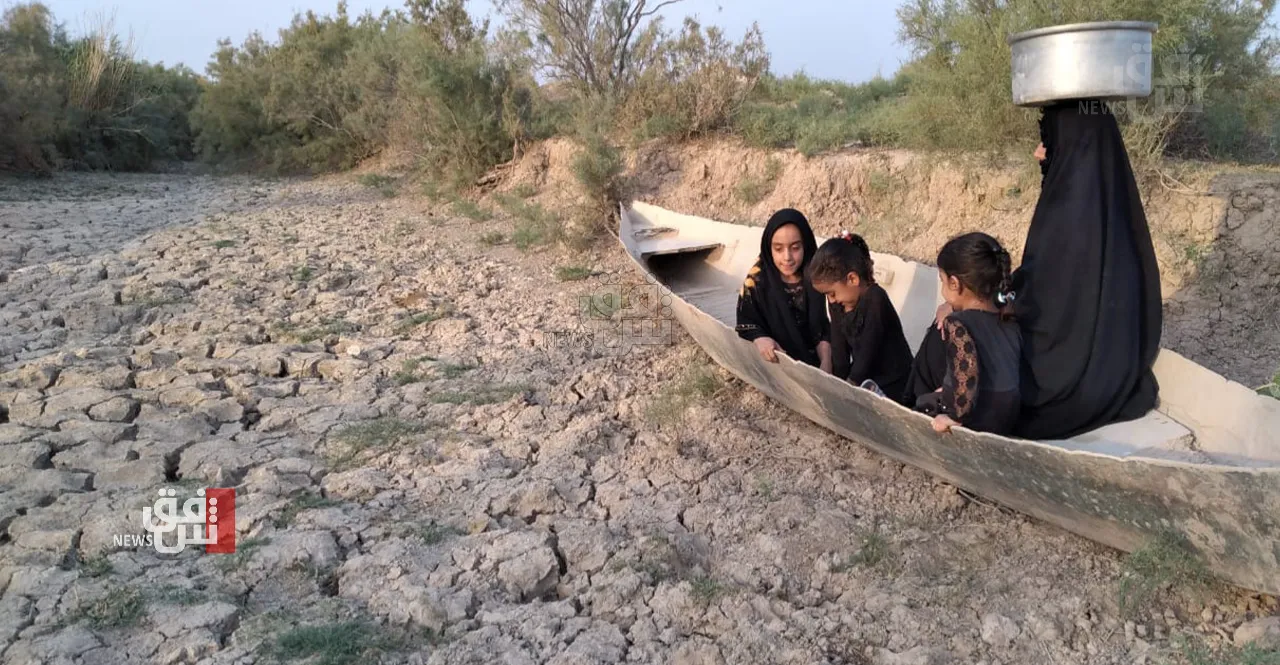
Iraq’s promises on climate change and human rights are facing a test, with commitments on paper potentially insufficient to protect the most vulnerable, the London School of Economics and Political Science (LSE) reported on Sunday.
The report asserted that Iraq’s international obligations can only gain real significance if law, policy, and lived experience are connected. It also referred to the International Court of Justice’s (ICJ) July 2025 advisory opinion as a turning point, framing climate change as not just an environmental crisis but a legal issue with far-reaching consequences.
“By clarifying that climate obligations can amount to binding duties — and that states may be liable for compensation if they fail to meet them — it reinforces the legal foundation for claims linking environmental harm to human rights violations,” LSE noted.
Women in rural and conflict-affected areas face particular risks, the report warned, as drought, crop failure, and land loss heighten the likelihood of displacement and violence. While Iraq has ratified key treaties such as CEDAW and the International Covenant on Economic, Social and Cultural Rights, the absence of optional protocols leaves communities with limited avenues to hold the state accountable.
To continue reading, click here.