Contaminated rivers raise disease risk in Iraq


Shafaq News – Baghdad
Iraq’s declining water reserves are raising the risk of waterborne diseases, a senior health official reported to Shafaq News on Thursday.
Hassan al-Qazzaz, former director-general of public health at the Iraqi Health Ministry, identified typhoid, cholera, and hepatitis B as illnesses most likely to spread due to water scarcity and contamination.
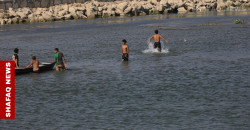
“Iraq’s health system relies on discharging sewage into rivers, a process that requires large amounts of water to dilute pollutants and prevent outbreaks,” al-Qazzaz noted.
Urging residents to take preventive measures, such as the addition of alum and chlorine to household water and boiling it, he emphasized that chlorine tablets available in pharmacies must be used in the correct doses, further warning that overuse can cause digestive problems such as diarrhea.
Last week, the Water Resources Ministry reported that Iraq’s reserves had dropped below eight billion cubic meters, calling the situation serious and alarming.
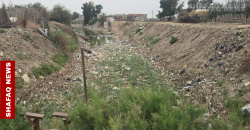
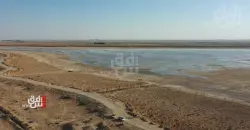
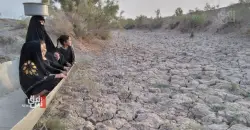
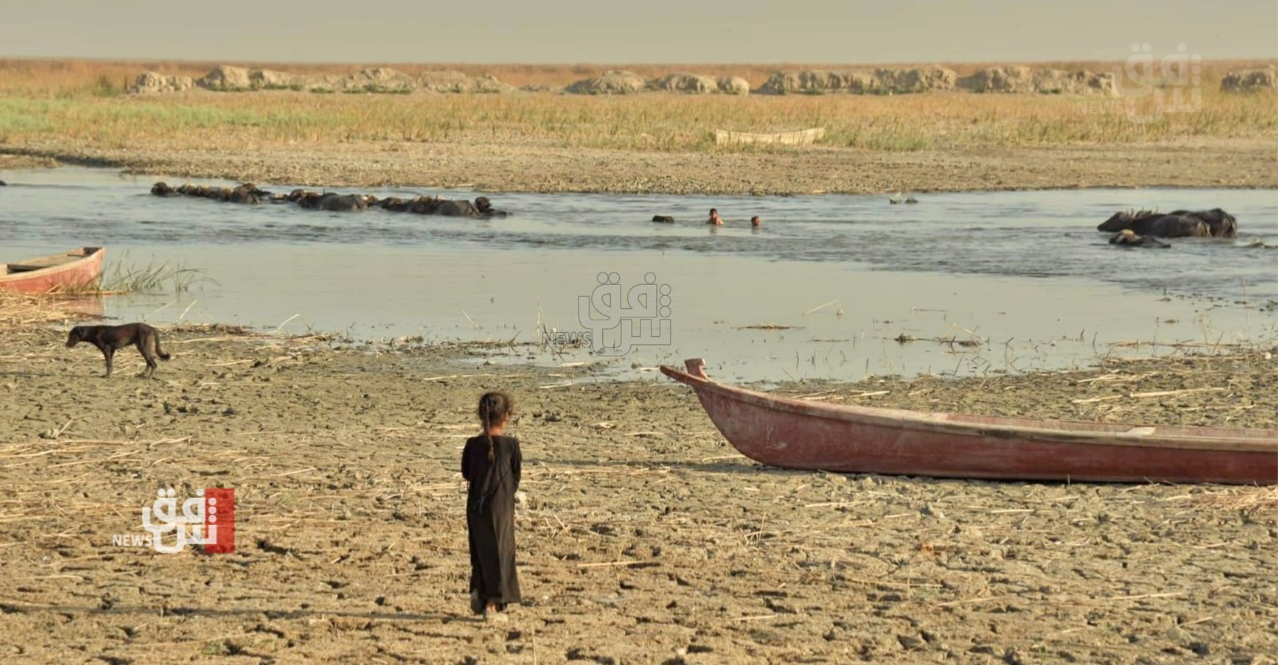
The country is experiencing one of its worst water shortages on record, with tributaries drying up, marshes shrinking, and reservoir levels falling. Authorities warn Iraq could lose up to 20% of its water resources by 2035 due to climate change, upstream dam projects, and aging infrastructure.
The United Nations also estimated that nearly seven million Iraqis are already affected, while 90% of the country’s rivers have experienced reduced flow.