Bottled childhood: Why Baghdad's children are selling water instead of playing


Shafaq News- Baghdad
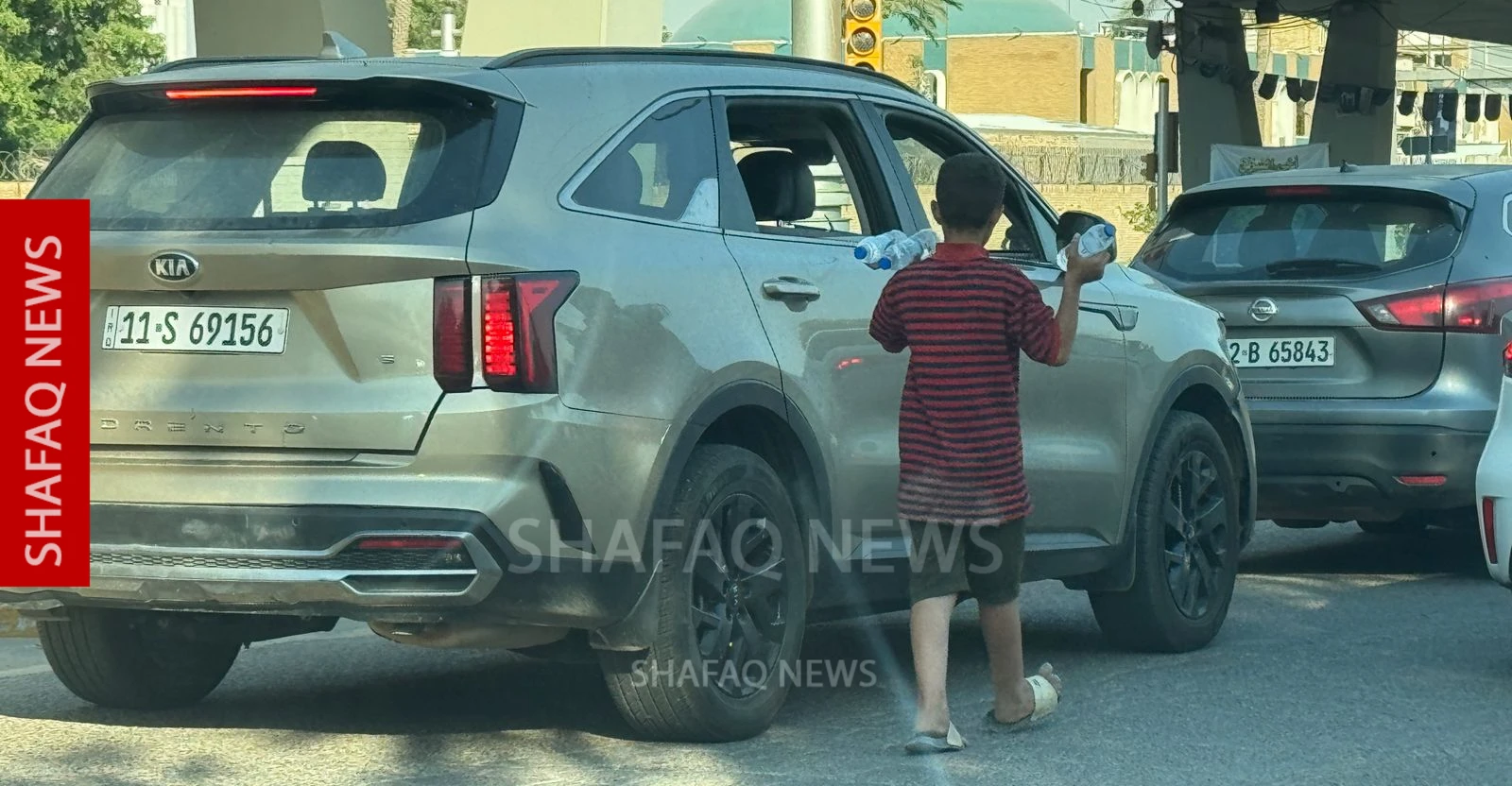
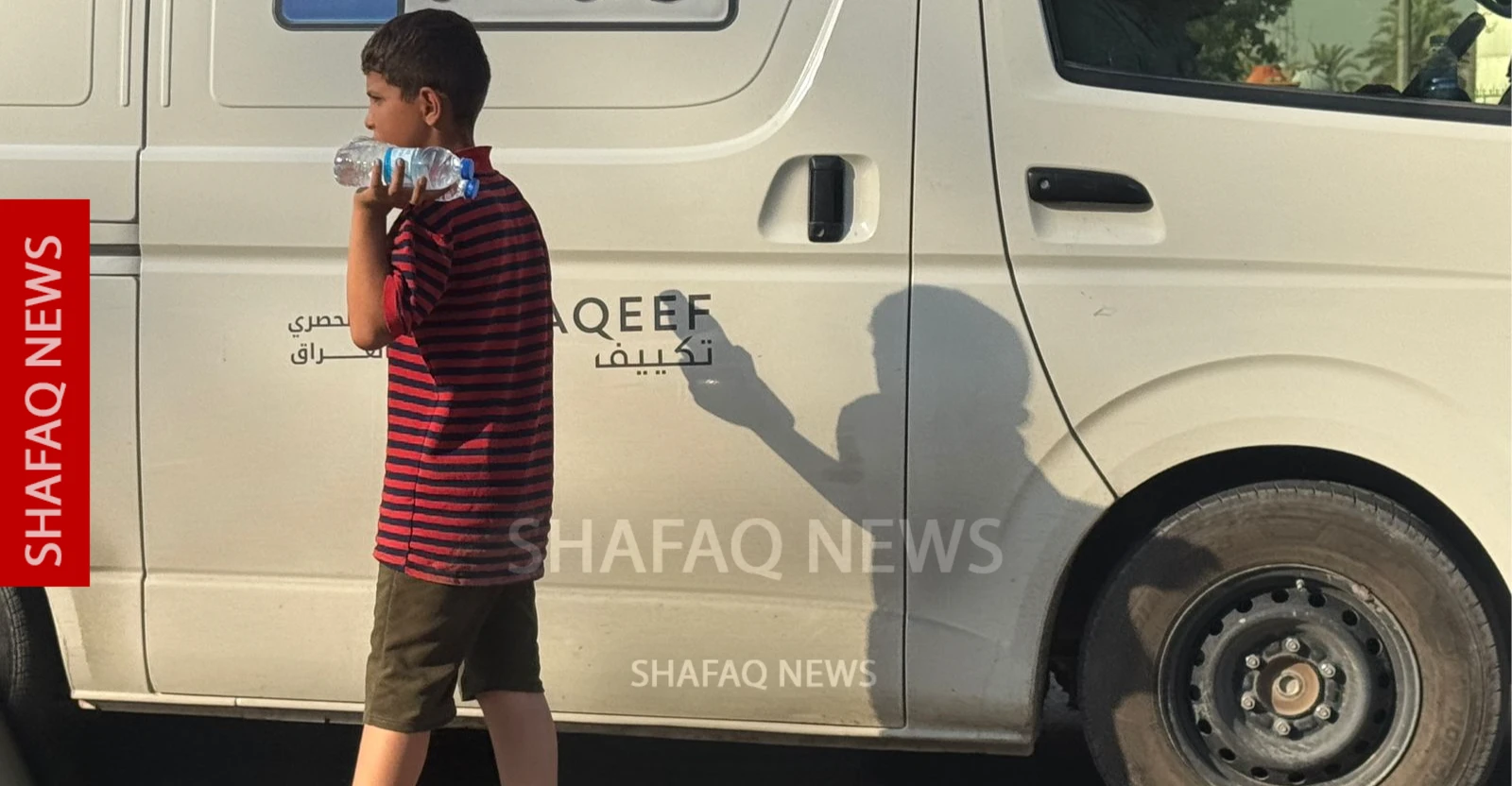
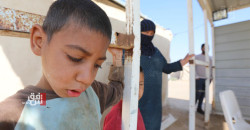
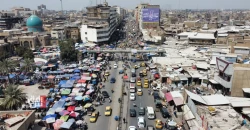
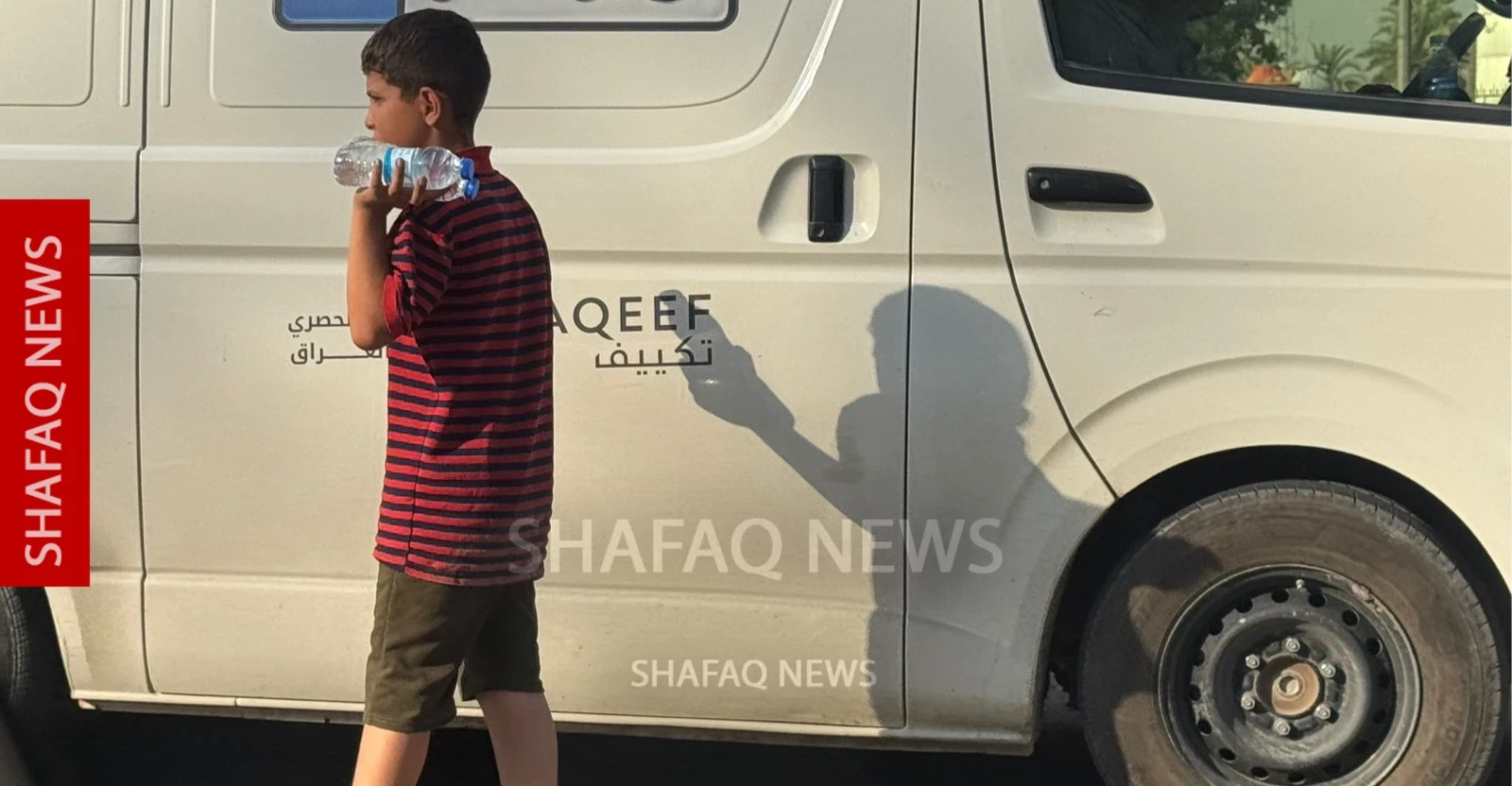
Every day, nine-year-old Mahmoud takes his place at a busy intersection in Baghdad. With one hand, he raises a bottle of water toward drivers waiting at the traffic lights. With the other, he arranges more bottles along the pavement, hoping to sell enough to get through the day.
For many motorists, Mahmoud is just another child weaving between cars under Iraq's scorching summer sun. Few stop to ask why a boy his age is working on the streets instead of playing with friends or focusing on school.
"My father lost a limb in a terrorist attack and later died from a serious illness," Mahmoud told Shafaq News. "Since then, I've sold water to support my mother, my younger sister, and myself, and to pay for my school expenses." A third-grade pupil, Mahmoud said that selling water allows him to work around his school schedule. The money he earns is his family's main source of income.
But balancing work and education comes at a cost.
Some passersby offer him money without taking a bottle.
Others respond with insults. At school, he says, some classmates refuse to sit
beside him because of his job. "It hurts when they look down on me,"
Mahmoud noted. "I've complained to the school many times about the hurtful
things they say."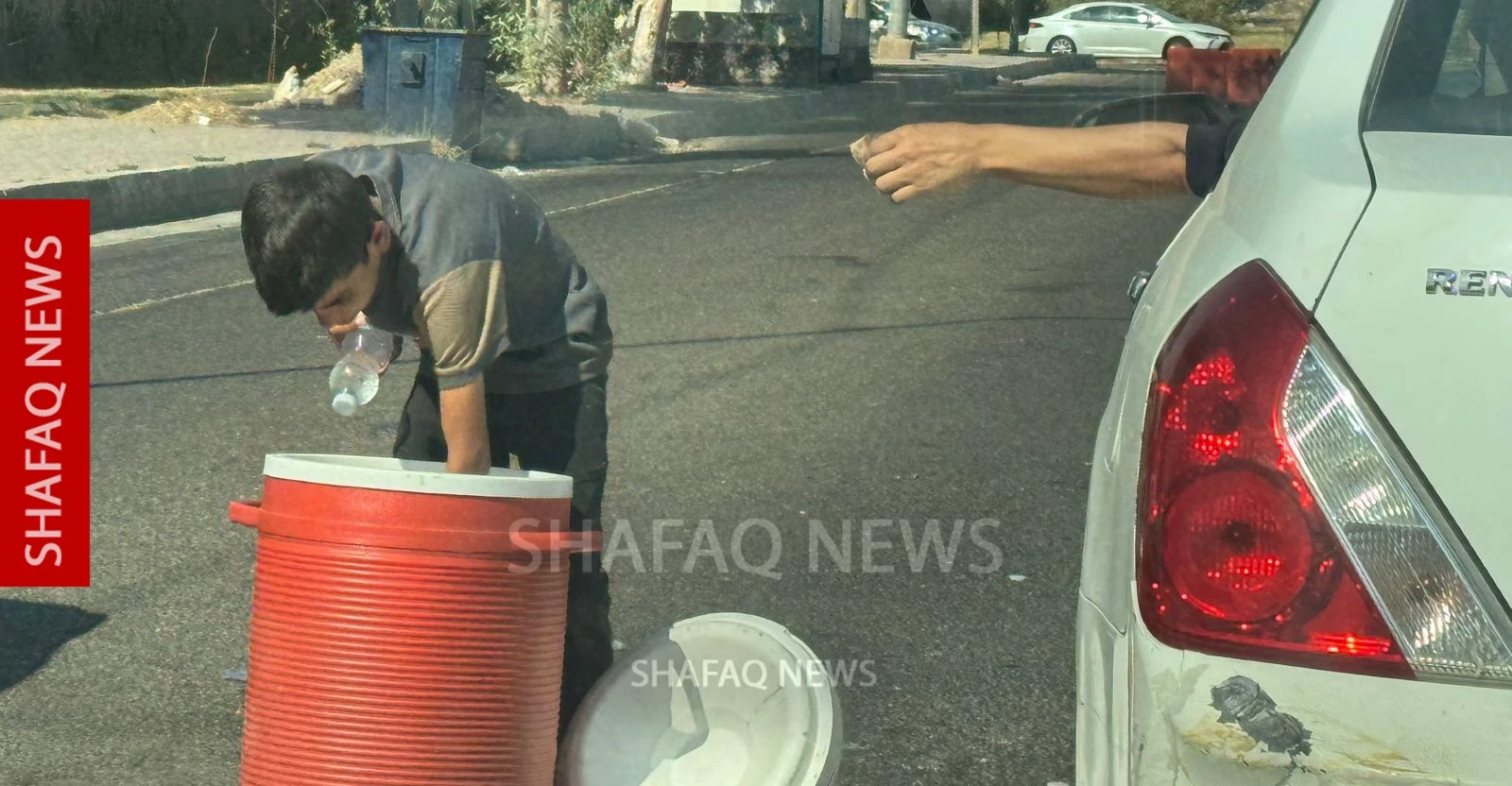
Read more: The loss of innocence: 5% of Iraq's children pushed to labor
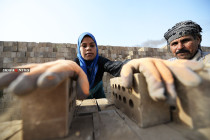
Mahmoud's story is far from unique as selling bottled water has become one of the most common forms of child labor in Baghdad. For some children, it is a necessity driven by poverty. For others, it is a way to earn quick money, encouraged by families aware of the public sympathy young vendors attract. Ten-year-old Sanaa is one of them. Her mother, who is divorced, receives financial support from Sanaa's father but still urges her to work. "My mother wants me to sell water so we can earn more money," Sanaa told Shafaq News.
Unlike Mahmoud, Sanaa has never been enrolled in school. She cannot read or write. Instead, she spends her days walking the streets in worn clothes, offering water bottles to drivers and pedestrians. She earns between 10,000 and 15,000 Iraqi dinars a day ($7.60–$11.50), but says her mother expects her to hand over at least 10,000 dinars daily.
Not all children selling water say they are forced into it; eleven-year-old Ali Mohsen says he chose to work despite his father's objections. "No one made me sell water," he explained. "I want to depend on myself and buy what I need."
The growing presence of child vendors on Baghdad's streets has sparked mixed reactions among residents. Some see their work as a reflection of resilience and responsibility. Others view it as a troubling sign of deepening social and economic hardship.
"There is a difference between children working to help their families survive and those who leave school simply to earn money," commented Abbas Al-Khafaji, a Baghdad resident.
Years of conflict, poverty, and economic instability have left thousands of Iraqi families struggling to make ends meet, he added, pointing to the growing number of orphans, widows, and female-headed households.
Read more: From Children to breadwinners: how to tackle child labor in Iraq?
Social researcher Manahil Saleh warned that child labor is becoming increasingly widespread across Iraq. "Poverty, family breakdown, school dropout rates, unemployment, and the growing number of vulnerable households are all driving more children into work," she told Shafaq News, describing selling water as one of the easiest and most common jobs for children, and calling on authorities to strengthen measures that protect children from economic hardship and guarantee their right to education.
Iraq's Ministry of Labour and Social Affairs has previously announced a strategy to curb child labor, including market inspections, legal penalties for violators, efforts to prevent the exploitation of children in street work and begging, and the expansion of social protection programs for low-income families.
Yet for children like Mahmoud and Sanaa, those measures remain distant promises. As traffic lights turn red and engines idle in the midday heat, they continues moving between rows of cars, clutching bottles of water and carrying responsibilities far heavier than their years.
Read more: Iraq's children face alarming crisis: rising labor, violence, and legal gaps